Discover how to identify coverage gaps in your collectibles insurance and ensure your valuable items are protected. Read the article for essential insights.
Collectibles Coverage Gaps: Why Hidden Shortfalls Are So Common
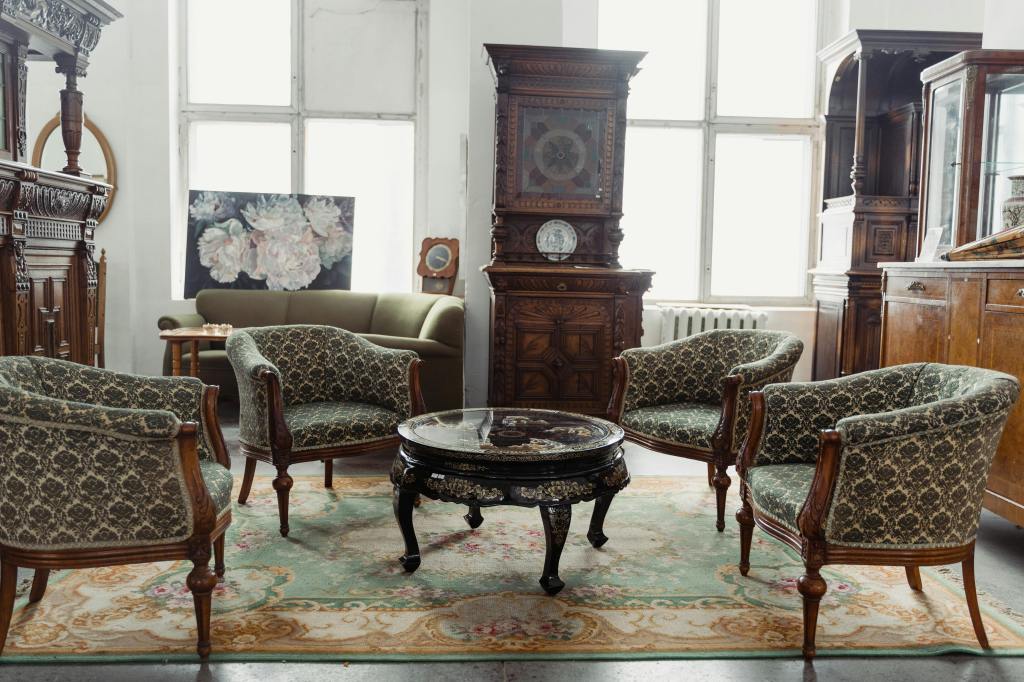
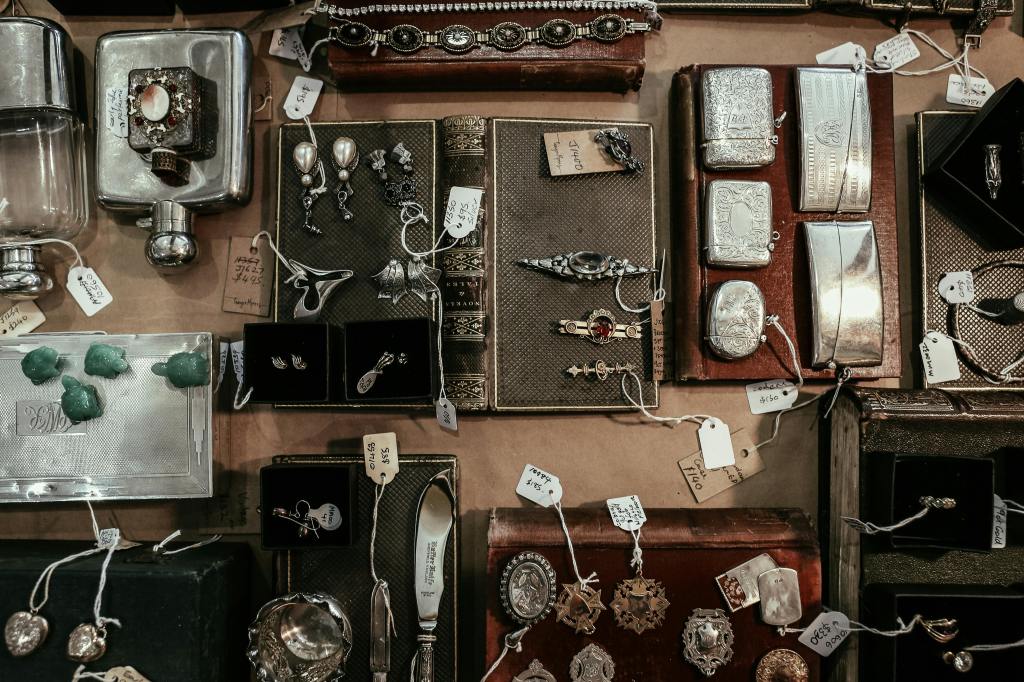
In the world of collecting, passion often drives individuals to amass valuable items, from fine art, comic books, trading cards, antiques, rare coins and cherished memorabilia. However, many collectors assume their standard homeowners’ policies automatically adjust to the evolving value of their holdings. Unfortunately, this is rarely the case.
As the market fluctuates and personal collections grow, coverage gaps may emerge, leaving collectors unaware of the potential risks they face. This oversight can become painfully apparent only when a loss occurs, highlighting the importance of a robust collectibles insurance policy. Understanding these coverage necessities is essential for anyone serious about protecting their entire collection. It’s a good idea to chat with an insurance professional to get advice that fits your specific collection needs.
Why Homeowners Insurance Leaves Collections Exposed
Homeowners insurance is designed to protect personal property, but it often falls short when it comes to valuable collectibles. Many collectors may not realize that their standard homeowners or renters’ policy contains significant limitations that could leave them underinsured for their prized possessions.
Low sub-limits on collectibles
A major concern for collectors is the low sub-limits that standard homeowners’ policies often impose on specific categories of property. These caps typically range from $1,000 to $3,000, regardless of the actual market value of the items. For instance, if a collector owns a rare coin or an exquisite piece of art valued at $10,000, their homeowners’ or renters’ insurance may only provide a fraction of that in coverage, leading to substantial gaps in protection.
Restricted coverage for collectibles
In addition to low sub-limits, homeowners’ policies often limit coverage to specific perils, excluding many common risks. Events like ‘mysterious disappearance’ or accidental breakage may be entirely omitted from the policy, leaving collectors vulnerable to potential losses. This restricted coverage can have serious implications for collectors who own high-value items, as they may find themselves facing significant financial setbacks if damage occurs.

The Role of Sub-Limits and Category Caps
When it comes to protecting your valuable collectibles like coins, art, memorabilia, and jewelry, it’s essential to be aware of the coverage limits associated with standard homeowners’ insurance coverage.
Coverage terms
Understanding the terms of your coverage is vital. ‘All-risk’ coverage is favorable because it covers any risk unless expressly excluded, including accidental breakage and losses from mysterious disappearance. Unfortunately, many standard policies offer Actual Cash Value coverage, which pays the item’s depreciated value rather than its current market value. This can lead to significant financial shortfalls for collectors when they need to file a claim.
Addressing collectors’ insurance gaps
To address coverage gaps, collectors can consider adding endorsements or riders to their homeowners’ policies. These additions can specifically cover high-value items for their full appraised value. Alternatively, purchasing a specialized collectibles insurance policy is another effective solution. This type of insurance can provide comprehensive protection against a broader range of risks, including natural disasters, accidental damage, and theft, helping collectors safeguard their valuable collections.
Appraisal Gaps and Outdated Valuations
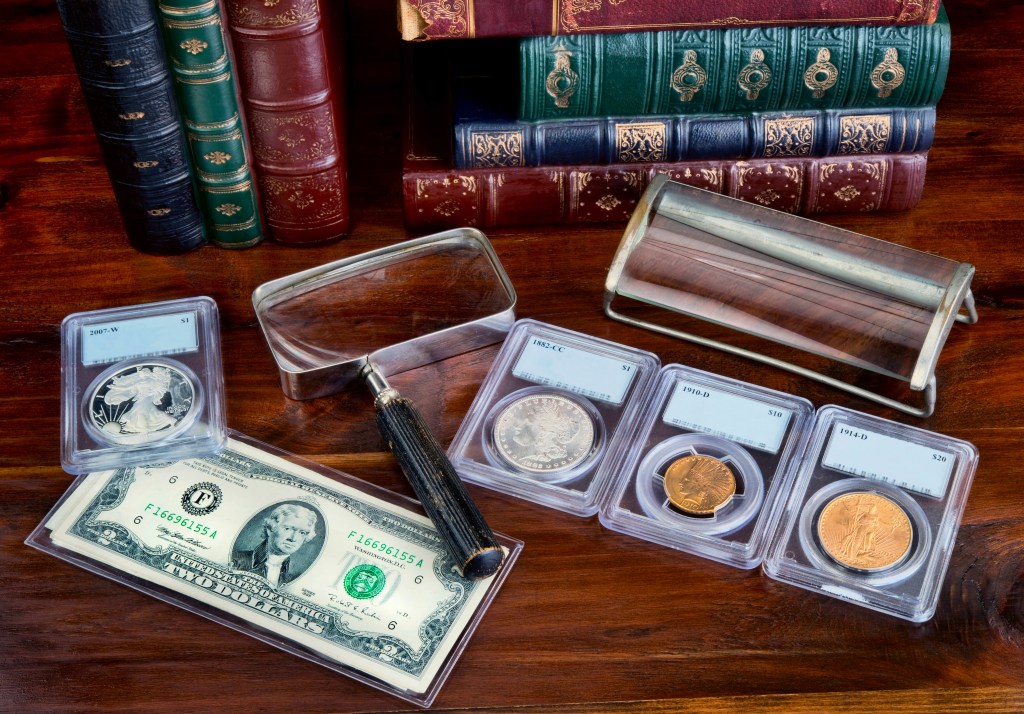
As the market for collectibles evolves, the importance of understanding and maintaining accurate valuations for your items cannot be overstated. Regular appraisals are crucial for ensuring your collectibles are adequately insured and that you are protected against potential financial loss.
Regular appraisals
Maintaining regular appraisals ensures coverage limits match current market values. Experts recommend updating professional appraisals every 3 to 5 years to accommodate market fluctuations. Engaging qualified professionals ensures a proper assessment of high-value items, as market trends can significantly affect their value. An appraisal provides a reliable value for collectibles or pieces of art, which is crucial for insurance purposes.
Risks of outdated valuations
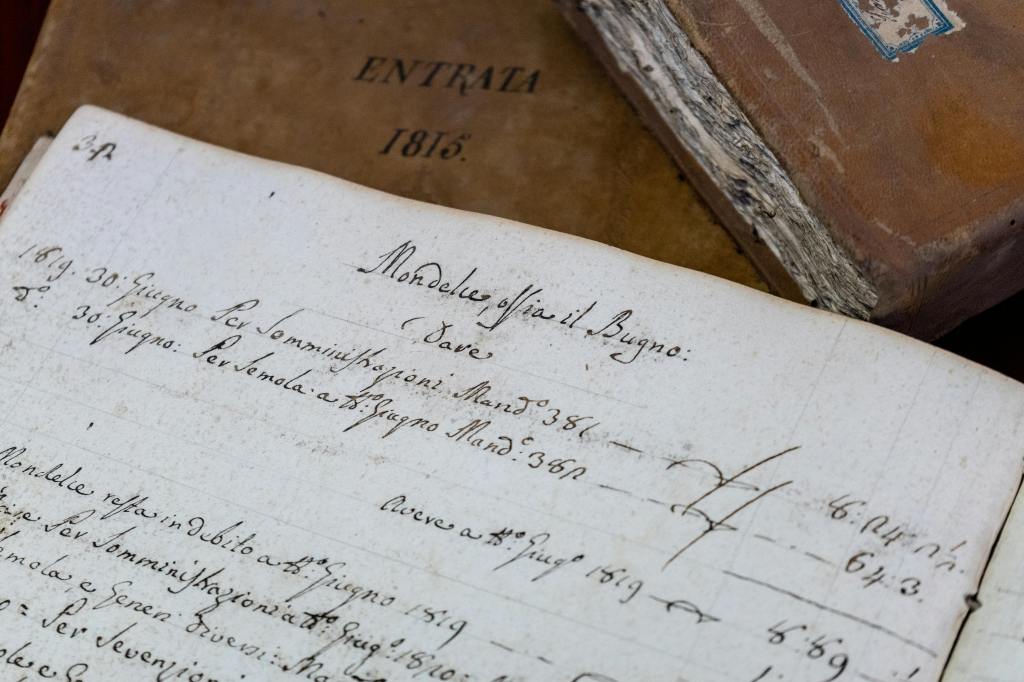
Collectibles insurance policies typically require an inventory of items and may need appraisals to determine the appropriate coverage. Periodically reevaluating your collection is advisable to account for any changes in value over time. Having a detailed inventory—including descriptions, purchase dates, and serial numbers—helps document your collectibles effectively.
Professional appraisers
Hiring a professional appraiser can be instrumental in establishing an accurate value for your collectibles. Their expertise enables you to obtain the appropriate level of insurance coverage, protecting you from potential losses and ensuring your valuable items are adequately safeguarded. Additionally, working with recognized organizations such as the American Society of Appraisers, the International Society of Appraisers, or The Appraisers Association of America can enhance the credibility of your valuations.

Transit and Off-Premises Exposure
When it comes to insuring valuables, many individuals often overlook important considerations related to transport and off-premises storage. Standard insurance policies may not fully protect items moved for specific purposes such as exhibitions, appraisals, framing, or storage, leading to potential financial loss.
Shipping and transport
One of the most significant blind spots in coverage is the risk associated with shipping or transporting collectibles. While many may assume their items are protected, losses occurring during transit frequently fall outside the standard protection zone. This lapse can leave owners vulnerable to financial loss if their valuable items are damaged, lost, or stolen while in transit.
Off-premises collectibles coverage
Items stored off-premises often encounter additional risks that standard policies may not address. Collectibles placed in storage units, on loan to galleries, or even items kept in secondary locations may not be adequately covered. Moreover, items housed in secondary homes, vaults, or museums may also face challenges regarding insurance coverage. Standard policies may provide limited or, in some cases, no coverage for items stored in these venues.

Exclusions That Catch Collectors by Surprise
When it comes to insuring valuable collections, many collectors may not be fully aware of the limitations imposed by standard homeowners’ insurance policies. These limitations can lead to unexpected challenges when filing claims after losses, making it crucial for collectors to understand what their policies actually cover.
Common exclusions in insurance policies
Fine-print exclusions can significantly limit collectors’ ability to receive compensation for their items. Common exclusions, such as gradual deterioration, mysterious disappearance, and environmental damage, can invalidate claims that collectors might assume are covered. This makes it essential for collectors to read and understand the fine print of their insurance agreements to avoid unpleasant surprises during the claims process.
Restrictive coverage limits
Many standard homeowners’ insurance policies impose specific, often restrictive limits on high-value property, such as jewelry, art, and collectibles. These caps frequently fall far short of the items’ actual value, leaving collectors vulnerable in the event of a loss. It’s vital for collectors to be aware that these sub-limits may not provide sufficient coverage in the event of significant loss.
Events covered by insurance policies
Coverage for collectibles is often limited to specific, listed events, further restricting what is compensated. Notably, losses resulting from ‘mysterious disappearance,’ accidental breakage, or damage incurred during transportation are typically excluded from coverage. Such restrictions can present significant challenges when attempting to recover value for lost or damaged items.
Documentation and Inventory Shortfalls
When insuring valuable collections, thorough, detailed documentation is crucial. Gaps in documentation, such as incomplete inventories or vague descriptions, can hinder the claims process and even delay payouts. Ensuring that your valuables are well-documented can make a significant difference in securing compensation when needed.
Creating a detailed inventory
Developing a comprehensive inventory of your collection is the first step in safeguarding your assets. When documenting your collectibles, be as specific as possible. Important details to include are descriptions of each item, the purchase date, the purchase price, and the estimated value. Additionally, keep records such as receipts, certificates of authenticity, and appraisals. You should note where the items are stored, whether at home or in a secure off-premise facility. Include clear photographs as well as notes on signatures, identifying marks, and dimensions, all of which can strengthen your insurance claims.

When New Acquisitions Outpace Coverage
Collectibles insurance is a vital consideration for individuals who have invested time and passion into building valuable collections. As collections evolve, it’s crucial to ensure that newly acquired items receive the proper coverage to protect against unforeseen circumstances.
Scheduling and reporting
Collections can change rapidly, often outpacing the policies designed to protect them. Newly acquired items may remain uninsured if they are not formally scheduled or reported within the required timeframes. This can leave collectors vulnerable, as many homeowners’ policies limit coverage for unscheduled collectibles to low per-item limits, sometimes as low as $200. Many homeowners’ insurance policies provide only limited protection for collectibles, often imposing low and restrictive limits on special classes of property such as jewelry, art, and collectibles.
Collectibles policy
To mitigate these gaps in coverage, collectors frequently turn to specialized collectibles insurance policies or opt for a scheduled personal property endorsement on their homeowners’ insurance. These options allow for more tailored protection that meets the specific needs of collectors.
One of the key benefits of specialized collectibles insurance is extended coverage for newly acquired items, often exceeding the typical 30-day limit of standard homeowners’ policies. This ensures that recent additions to a collection are protected from the moment they are acquired. Collectors with qualifying items valued at $15,000 or more are usually eligible for dedicated collectibles insurance policies.
How Specialized Coverage Closes the Gaps
Specialty collectibles insurance is an essential form of coverage tailored specifically for collectors of valuable items. Unlike standard insurance policies, this type provides targeted protection against unique risks associated with collectibles, allowing collectors to manage their items with confidence.
Specialty collectibles insurance
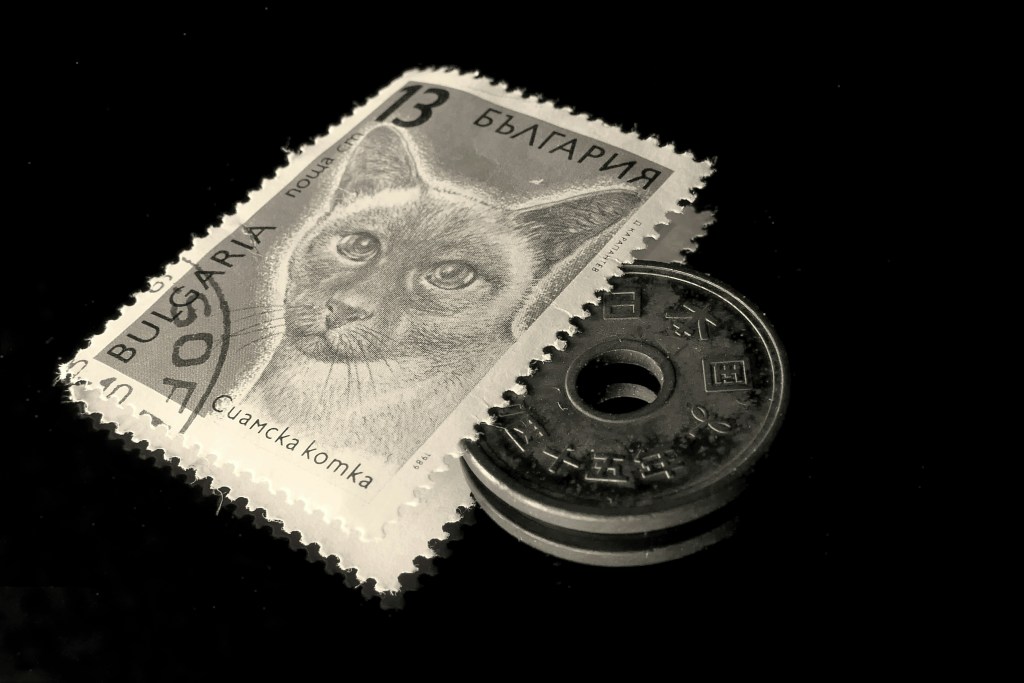
Collectibles insurance covers a wide range of items, protecting everything from fine art and rare stamps to valuable coins, wine collections, and sports memorabilia. This broad coverage reflects the varied interests of collectors and is designed to safeguard these items’ financial and sentimental value.
Advantages of a collectibles insurance policy
One of the key advantages of obtaining a collectibles insurance policy is the specialized protection it offers for valuable collections. These policies are structured to cover the complete value of items against risks such as theft, loss, or accidental damage. Unlike homeowners’ insurance, collectibles insurance offers collectors tailored options that better align with the unique circumstances of their items.
Broad coverage
Investing in collectibles insurance allows collectors to enjoy comprehensive protection against a wide range of potential hazards. This type of insurance covers risks that standard homeowners policies may overlook, such as accidental damage and theft, specifically addressing the needs of individuals with valuable collectible items. Collectibles insurance can cover a wide array of fine art and collector’s items, such as rare stamps, valuable coins, wine collections, and sports memorabilia. Collectors can achieve peace of mind, knowing that their prized possessions are secured against unforeseen events.

Why Regular Policy Reviews Matter
Annual reviews help ensure limits, appraisals, and coverage types reflect the current scope of a collection. Regular reassessment reduces the chance of discovering gaps after a loss.
This article is intended for informational purposes only. Collectibles Insurance Services, LLC, its parents, affiliates, and anyone connected with them are not responsible or liable in any way for your use of the information contained in or linked to from this article. Reliance on the information provided in this article is solely at your own risk. If you have questions about any of the topics addressed in the article, please contact a subject-matter expert.
FAQ
How can collectors identify whether their current policy has coverage gaps?
A practical way is to do a quick “policy reality check” against how you actually collect and store items. Review your declarations page and policy wording for category sub-limits, off-premises/transit coverage, and whether coverage is named-peril or broader. Then compare those limits to your inventory and the current value of your top items. Common gap signals include: (1) per-category caps that are far below your collection’s value, (2) no clear coverage for items while traveling/shipping or stored away from home, (3) valuation that relies on depreciation or outdated numbers, and (4) missing documentation (photos, receipts, appraisals) that could slow or complicate a claim. If anything is unclear, it’s worth asking your insurer or agent to confirm what’s covered in writing based on your specific collection scenario.
What types of collectibles are most often underinsured or excluded?
Items are most commonly underinsured when they’re high value, easy to move, and hard to replace, or when they fall into categories that homeowners policies often cap or restrict. Examples include trading cards, coins, jewelry/watches, small fine art, comics, sports memorabilia, and other compact “high-value-per-inch” items. Collectibles that are frequently transported (to shows, appraisals, framers, exhibitions) or stored off-premises can also be exposed if a policy is primarily written for “at-home” personal property. Finally, collections that are growing quickly (frequent purchases) are often underinsured simply because the policy limits haven’t kept pace.
How frequently should a collection’s insurance coverage be reviewed or updated?
At minimum, do a full review once per year—and update sooner whenever something material changes: major purchases or sales, a spike in market values, moving homes, changing storage locations, or increasing how often items travel. Many collectors also refresh key documentation (inventory photos, receipts, serial numbers, appraisals where appropriate) on a rolling basis so coverage decisions are based on current facts rather than memory. If your collection is actively appreciating or expanding, shorter check-ins (e.g., every few months) can help prevent accidental gaps.
Sources
https://www.biberk.com/articles/avoiding-business-insurance-coverage-gaps
https://www.artguard.net/insights/is-your-collection-safe-a-collectibles-insurance-guide
https://www.cornerstoneins.ca/protecting-your-investments-a-guide-to-insuring-valuable-art-collectibles-and-other-collections/
https://www.dulibaninsurance.com/blog/are-your-collectibles-covered-insurance-for-art-antiques-memorabilia/
https://www.rate.com/insurance/resources/what-kind-of-insurance-do-i-need-for-collectibles-and-artwork/
https://www.nfp.ca/insights/why-todays-collectors-need-specialized-insurance/
https://www.allstate.com/collectibles-insurance
https://americancollectors.com/insurance/collectibles
https://distinguished.com/blog/does-homeowners-insurance-cover-collectibles
https://www.statefarm.com/simple-insights/residence/how-to-appraise-and-insure-collectibles