

Collecting Original Comic Art: From Sketches to Splash Pages
Collecting Original Comic Art: From Sketches to Splash Pages
Discover essential tips and insights for collecting original comic art, from understanding value to caring for your pieces. Start your collection today!
Collecting Original Comic Art: Why One-of-One Pages Matter
Collecting original comic art offers a unique way to connect with the creativity, craftsmanship, and storytelling behind a finished comic.
Unlike printed issues, original pages, sketches, and covers are one-of-a-kind physical works created by artists before publication. These pieces give collectors a direct connection to the creative process and can be enjoyed as both meaningful artwork and a potential investment.
Ready to start your collection? Keep reading to learn what counts as original comic art, what influences its value, and how to choose and protect pieces you’ll enjoy for years to come.
What Counts as Original Comic Art
From dramatic splash pages to behind-the-scenes sketches, original comic art offers collectors an exciting opportunity to own a one-of-a-kind piece of the creative process.
Comic book art
The term “original comic art” covers artwork created during the development of a comic, along with related pieces produced by the artist. Unlike published comics, which reproduce finished artwork for readers, original pages preserve the physical marks and materials used during production. Collectors may encounter everything from covers, interior panel pages, title pages, and splash pages to sketches, preliminary drawings, commissions, and other unique works. Whether you’re interested in a famous character or a lesser-known series, understanding these formats can help you search for pieces that suit your collection.
Other original art
The possibilities extend even further with trading card art, recreations, paintings, and color guides—each offering a different glimpse into an artist’s style and creative choices. Learning how these categories differ makes it easier to discover the pieces that spark your interest, suit your budget, and bring a personal sense of purpose to your collection.
Panel Pages and Sequential Storytelling
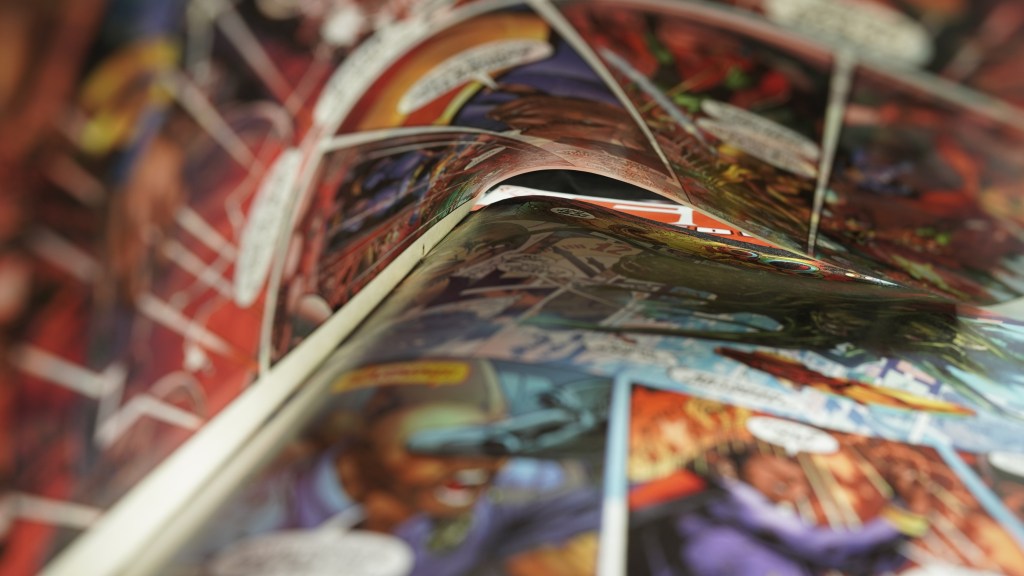
Panel pages and comic strips give collectors a closer look at how artists shape pacing, action, and storytelling across different formats.
Interior panel pages reveal how a comic story unfolds from scene to scene. Collectors often seek pages featuring key characters, strong action, memorable dialogue, or important moments in the storyline because these details can make a page especially meaningful.
Common types of panel pages include thumbnails and finished interior pages. Thumbnails are small preliminary drawings that help artists plan a page’s composition and flow. Finished interior pages commonly use six- or nine-panel layouts separated by consistent borders, although artists may also use unusual angles or arrangements to create visual interest.
Comic strip art offers another form of sequential storytelling and includes both daily and Sunday strips. Daily comic strips typically measure approximately 5 by 15 inches, giving collectors a distinct format that reflects the traditions of newspaper comics.
Splash Pages and Big Visual Moments
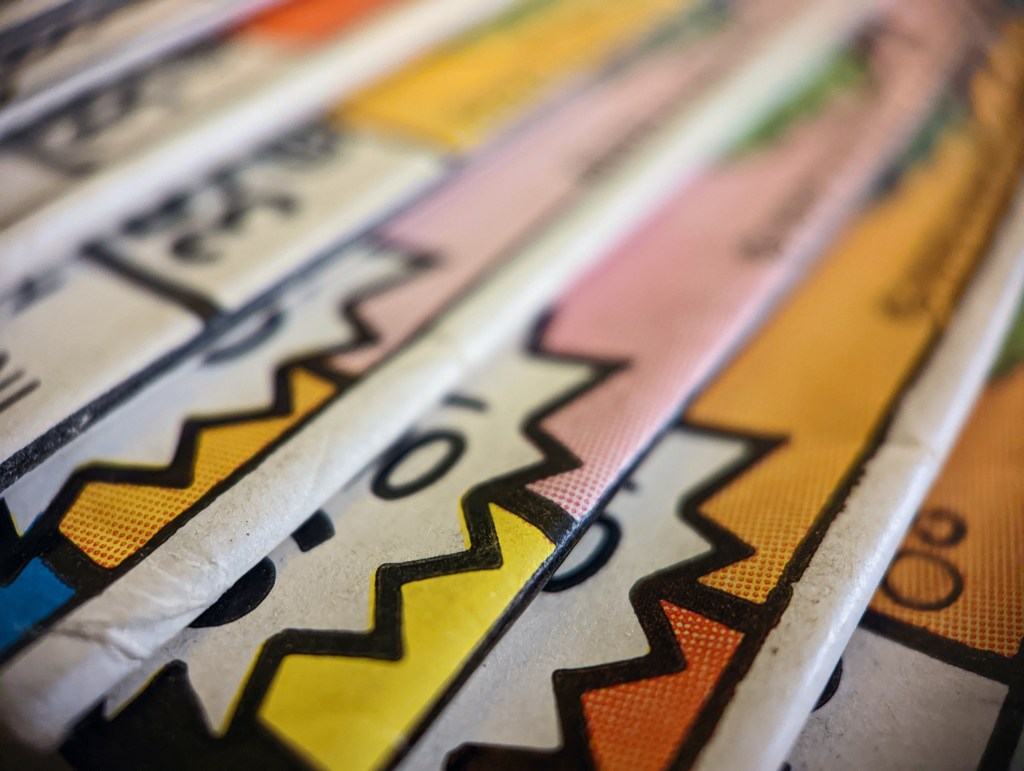
Splash pages create some of the most memorable moments in comic art, using bold layouts and dramatic imagery to command attention and strengthen the story.
Why splash pages stand out
Splash pages are especially appealing because they usually feature a large, dramatic image rather than many small panels. They can become standout pieces when they include iconic characters, major reveals, or visually powerful compositions.
Full-page splash formats
A true splash page consists of a single panel that fills the page, often featuring large, dramatic imagery. A title splash also includes opening text, credits, and the comic’s title, while featuring a key scene or setting the tone for the chapter or issue.
Double-page splash art
A double-page splash uses two side-by-side pages to present one continuous image. This expanded format gives artists more room to create large-scale scenes with a strong visual impact.
Partial-page splash layouts
Partial-page formats combine a prominent image with smaller sequential panels. In a three-quarter splash, one-third of the page is a single panel and the remaining two-thirds contain multiple panels. A half splash divides the page evenly, using one half for a single panel and the other half for several panels.
Other splash page styles
Collectors may also encounter vertical splash pages, silent scenery splashes, narrative splashes, near-splashes, and insert splashes. Each format gives artists another way to emphasize a scene, guide the reader’s attention, or vary the pacing of a story.

Cover Art and High-Impact Collecting
Original cover art combines visual impact, publication significance, and collector demand, making it one of the most prominent—and often most valuable—categories in the comic art market.
Why original cover art commands attention
Original cover art often sits at the top of the comic art market because it is highly visible, recognizable, and closely tied to the identity of an issue. Strong covers can attract interest from both art collectors and fans of the featured character or series. Prices may be especially high when a cover is connected to a significant or key issue, or when factors such as age, rarity, and edition status add to its appeal.
Virgin and foil covers
A virgin cover presents the full artwork without a title, logo, creator names, or barcode and is often produced in limited quantities. Foil covers may feature metallic inks, holographic details, or raised embossing. Although they were especially popular in the 1990s, some may carry lower values because of overproduction.
Alternate and retailer-incentive covers
Alternate covers feature different artwork for the same issue, often created by multiple artists and distributed at the same price. They may also be identified as A, B, or C covers. Retailer-incentive covers are distributed when a retailer orders a required number of standard-edition copies, with common ratios including 1:25, 1:50, and 1:100.
Sealed and sketch covers
Sealed editions are sold in plastic sleeves and may include a bonus item such as a card, figure, or poster. Sketch covers may feature black-and-white artwork or a completely blank cover intended for an original artist sketch. A blank cover can become more valuable when it is signed or illustrated by a recognized artist.
Sketches, Prelims, and the Creative Process
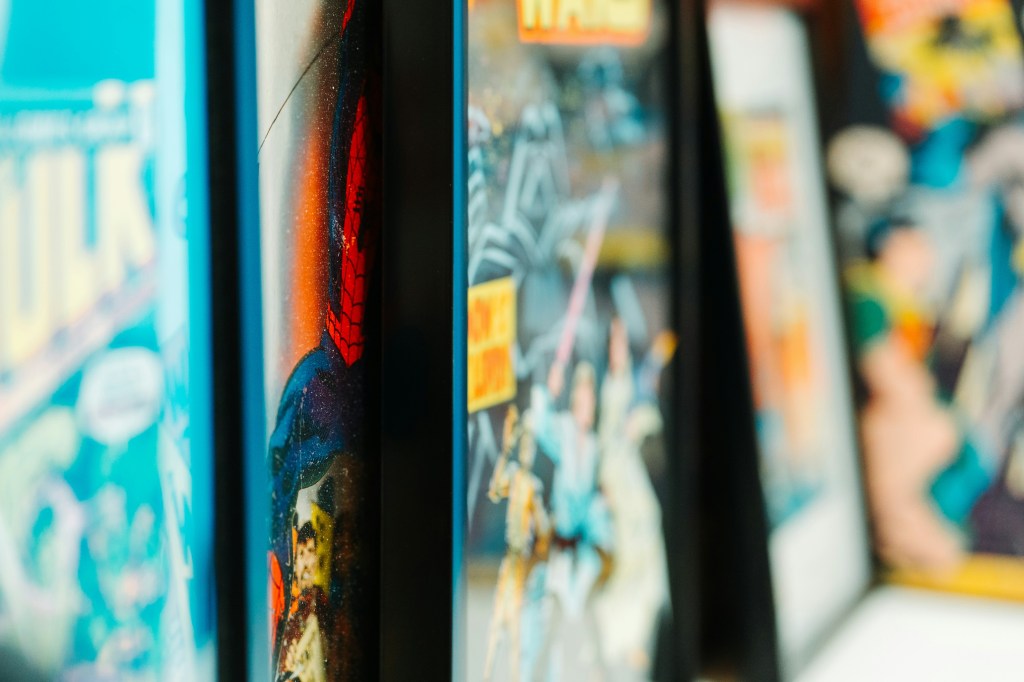
Sketches and preliminary artwork give collectors a behind-the-scenes look at how comic art develops from an early idea into a finished piece.
Exploring different types of sketches
Sketches and early drawings capture an artist’s initial ideas, layouts, and visual decisions. These pieces may be more accessible than published pages while still offering meaningful insight into the artist’s creative process.
Sketch cards and art cards
Sketch cards are typically the size of standard trading cards, measuring approximately 2.5 by 3.5 inches. This category can also include artist trading cards, commonly called ATCs, as well as ACEOs—artist cards, editions, and originals—and other small-format art cards.
Convention and head sketches
Convention sketches are created by artists during comic conventions, often as personalized pieces for fans and collectors. Head sketches are usually small character portraits placed near an artist’s or writer’s signature. Some creators use a recognizable, repeatable doodle when signing autographs, giving these sketches a distinctive connection to the creator.
Understanding preliminary art
Preliminary drawings, often called prelims, are rough original artworks created before a detailed or finished piece. Produced as part of the creative and approval process, they serve as visual guides that help artists plan composition, layout, and other elements before completing the final artwork.

Commissions and Artist-Created Originals
Commissions and artist-created originals give collectors a personal way to acquire unique comic art, whether they are requesting a custom piece or purchasing an original work created independently by an artist.
Understanding comic art commissions
Commissions allow collectors to request original artwork directly from artists, often featuring favorite characters or themes. Options can include cover recreations, original character illustrations, fully painted pieces, interior-page art, sketch covers, and convention covers. These projects generally fall into categories such as interior pages, covers, and character art.
Choosing the right artist
Some comic artists accept commissions, and collectors should look for creators whose styles and subject-area experience align with the project. More established artists often command higher prices, particularly creators with experience working for major publishers such as Marvel or DC, but their work may also reflect a higher level of experience and finish.
Planning the project
Clear communication is essential when arranging a commission. Before work begins, the collector and artist should agree on the artwork’s size, subject matter, price, completion timeline, revision process, and final delivery method. Ask questions about the artist’s preferred materials, whether the work will be created traditionally or digitally, and what the final deliverables will include. Providing reference materials, character descriptions, budget details, deadlines, and size specifications can help the artist understand the request and reduce confusion. If you are commissioning a piece inspired by an existing character, confirm any applicable usage restrictions before the artist begins writing or developing the concept.
Timelines, revisions, and deposits
Commissioned artwork can take time to complete, with the process often including consultation, artwork creation, revisions, and final approval. Some artists provide preliminary art for commissions. Artists typically require a portion of the commission fee upfront, and that deposit may not be refundable. Collectors should confirm these terms before committing to the project.
Artist-created originals
Artist-created originals may not have the same publication history as comic pages, but they can still be meaningful one-of-a-kind pieces. Restoration completed by the original artist is also generally considered acceptable within comic art collecting.
Learning the Language of Comic Art Collecting
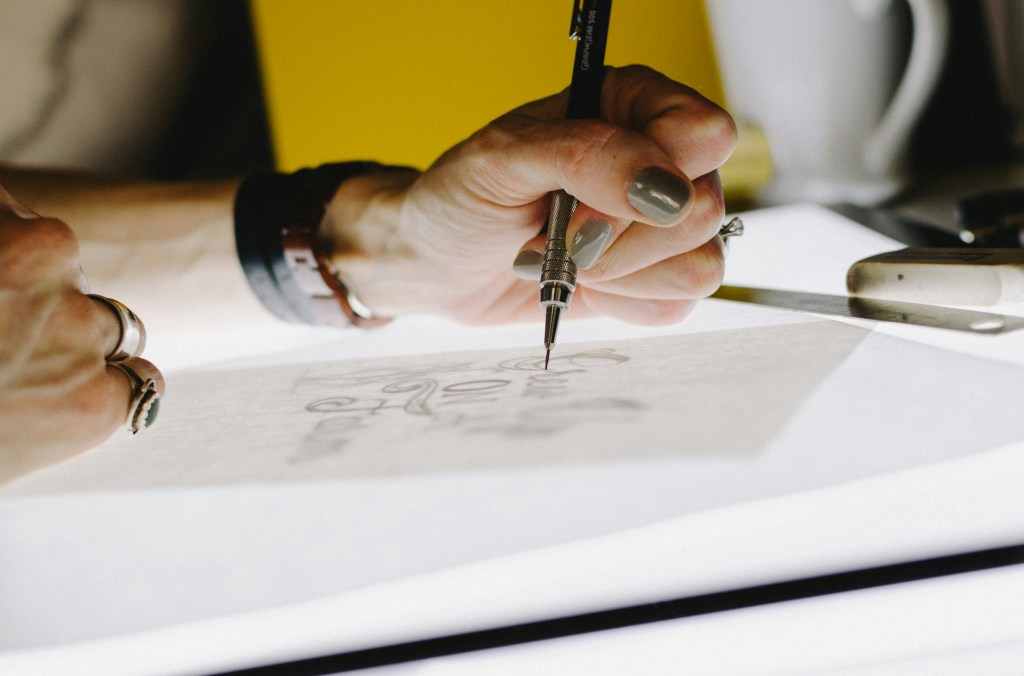
Learning the language of comic art collecting can help buyers better understand how a piece was created, presented, and described in the marketplace.
Understanding artistic mediums
A medium is the material used to create a work of art. In comics, traditional pen-and-ink techniques have increasingly given way to digital art, but collectors still encounter pieces representing several stages of the original production process.
Pencils are the initial drawings created in graphite or blue line before the artwork is inked, and the penciller is typically considered the primary artist. Pencillers have the greatest creative input in comic art. Inks are the finished linework applied over those pencils by the inker. Coloring adds color to the inked line art, with the colorist determining the palette and final color choices.
Color guides and the production process
Color guides are less common in modern comics but were once an important part of the production process. These hand-colored references helped communicate the colorist’s choices before the final artwork was prepared for publication.
Comic art boards and standard sizes
Before late 1967, artists often used 12-by-18- to 14-by-21-inch boards. Publishers later adopted the more economical 11-by-17-inch standard, with an image area of about 9.75 by 15 inches. The older format is called “twice-up,” while today’s standard is about one and a half times the size of a printed comic page.
Other essential collecting terms
Collectors should also become familiar with terms such as splashes, commissions, and published pages. Understanding this vocabulary makes it easier to evaluate listings, compare pieces, and communicate clearly with artists, dealers, auction houses, and other collectors.

Collecting DC Comics, Marvel Comics, and Valiant Comics Art
Publisher history can help collectors narrow their search for original comic art. DC Comics and Marvel Comics have produced generations of recognizable superheroes, memorable storylines, and influential visual styles. Valiant Comics offers another avenue for collectors interested in distinct characters, series, and artists.
When comparing artwork from different publishers, consider the character, issue, artist, publication era, and significance of the depicted scene. A page from a major storyline may appeal to collectors for its historical importance, while a lesser-known page may stand out because of its composition or the artist’s technique. Before purchasing, check the publication details and available provenance, and compare completed sales for similar pieces rather than relying on asking prices alone.
What Drives Original Comic Art Value
Understanding what influences value—and how to research, verify, and protect a purchase—can help collectors make more informed decisions as they build their comic art collections.
Key factors that influence value
The value of original comic art can depend on the artist, character, title, publication history, page type, visual strength, condition, and market demand. A quieter page by a major artist may appeal for one reason, while a splash page featuring a beloved character may attract collectors for another. Collectors should evaluate the condition and authenticity of comic art.
Researching the market
The comic art market is often influenced by nostalgia, media adaptations, and renewed interest in particular characters or storylines. Reviewing past sales can provide useful context for fair pricing, but collectors should compare similar artists, characters, page types, and publication eras. Search auction archives, dealer listings, and specialist collecting communities, and note whether the prices represent completed sales or unsold asking prices. A single result does not establish an item’s total market value, so look for several comparable transactions before deciding what to pay. Trusted dealers and auction houses can also help answer questions about attribution and provenance.
Authenticity and provenance
Authenticity and provenance are important considerations when purchasing comic art. Original pages are often listed with the penciller’s name first, followed by the inker or other credited contributors. Check the seller’s description against available publication records, artist credits, and supporting documentation, and keep a record of where and when each significant piece was acquired. For digital research, save relevant links, receipts, auction records, and photographs of the artwork. Scanned images of published comics can help identify a matching page, although a visual match alone does not prove authenticity or establish the full ownership history.
Practical tips for collectors
Before making a purchase, collectors should identify their focus and establish clear spending limits. Beginners may find it especially helpful to collect what they genuinely love rather than follow market trends alone. High-value pieces may also require insurance documentation, making organized records an important part of responsible collecting.
Displaying and Preserving Original Comic Art
Protecting original comic art requires thoughtful storage and a stable environment, as paper, ink, pencil, and correction materials can be vulnerable to light, moisture, temperature changes, and frequent handling.
Storage tips
Protective boxes designed for comic collections can help shield artwork from physical damage and environmental exposure. Acid-free sleeves also create a barrier against pests, harmful acids, and accidental damage, while acid-free bags paired with sturdy backing boards can help prevent bends and creases while reducing exposure to moisture and dust. For extensive or high-value collections, climate-controlled storage offers added protection by keeping temperature and humidity at more consistent levels.
Preservation environment
Humidity control is essential for helping prevent mold, mildew, and rust, while a consistently cool, dry temperature can support the artwork’s long-term condition. Store pieces away from direct sunlight because ultraviolet rays can cause fading and deterioration. Basements and attics should also be avoided because their temperature and humidity levels often fluctuate dramatically.
When artwork is displayed, archival framing and limited light exposure can provide additional protection over time. Choose conservation-quality materials and consult a qualified framer about UV-filtering glazing, acid-free mats, and suitable backing. Before framing a valuable piece, check that the artwork will not be pressed directly against the glazing. If you rotate displayed works periodically, you can also limit their cumulative light exposure while still enjoying the collection.
FAQ
What is the difference between comic sketches, prelims, panel pages, splash pages, and cover art?
Sketches are preliminary drawings or smaller character illustrations, while prelims are rough layouts or early versions of a planned piece. Panel pages contain multiple frames that advance the story, whereas splash pages use one large image to emphasize a dramatic moment. Cover art is created for the front of a comic issue and often features a prominent character or scene. Each format offers a different collecting experience, so your choice may depend on your favorite artists, characters, available budget, and preferred display style.
What factors have the biggest impact on original comic art value?
Original comic art value depends on the artist, featured characters, publication history, rarity, condition, provenance, and collector demand. Published cover art and pages depicting iconic scenes may attract considerable interest, but an item’s significance to an individual collector does not always translate into a higher resale price. Research comparable completed sales, verify authenticity, and consider the artwork’s visual appeal before making an offer. A documented connection to a notable issue or storyline can also strengthen a piece’s appeal.
How should collectors store, frame, or display original comic art safely?
Store original comic art in archival-quality, acid-free materials and keep it in a cool, dry environment with stable humidity. Avoid direct sunlight, excessive heat, and damp locations such as basements or attics. For display, use conservation-quality framing materials and UV-filtering glazing to help reduce fading. Valuable artwork should be handled carefully, and collectors should keep purchase records, photographs, and provenance documents together. For especially valuable or fragile pieces, consult a qualified conservator before attempting repairs or restoration.
Sources
https://comicspectrum.com/types-of-original-art
https://medium.com/alt-ledes/why-i-collect-original-comic-art-b93b6c41964
https://www.comicartfans.com/comic-art-collecting.asp
https://thesplintering.com/2020/07/29/collecting-original-comic-book-art-the-basics/
https://www.comixartstudio.com/how-to-start-collecting-original-comic-art
https://oaklandpostonline.com/1703/blogs/comics-unwrapped-editions/
https://www.sellmycomicart.com/comic-art-terms.html
https://www.splashpageart.com/
https://www.nostalgicinvestments.com/comic-art
https://www.anthonyscomicbookart.com/
https://www.multic.com/guides/splash-page-design/
https://bearmaximum.co.uk/the-bear-maximum/f/the-ultimate-guide-to-comic-art-commissions
About Collectibles Insurance Services
Collectibles Insurance Services has been protecting collections since 1966 and all coverage is provided by a carrier with a group rating of “A” (Excellent) by AM Best, the leading rating agency for the insurance industry.
Comprehensive coverage includes, but is not limited to: accidental breakage, burglary, fire, flood, loss in the mail, theft, natural disasters, and other causes of loss unless specifically excluded from the policy. Deductibles start at $0 for collector policies and we provide coverage for the market value of your collection for losses in excess of $50.
Additionally the protection extends At home and away, and we don't require collection itemization and serial number nor extensive paperwork and red tape.