
Protecting Trading Cards: Sleeves, Toploaders, Binders and Boxes
Protecting Trading Cards: Sleeves, Toploaders, Binders and Boxes
Discover effective storage solutions and tips to protect your trading cards from damage. Trading cards cover a ton of collecting interests, from sports cards and Pokémon to Magic: The Gathering and other game cards. Whether you collect as a kid, build a serious collection as an adult, or run a business selling cards to customers, the same basic goal applies: keep every card secure, organized, and easy to track. Read on to ensure your collection stays safe and valuable.
Protecting Trading Cards: Why Storage Choices Matter
Trading cards may be small, but they are vulnerable to corner dings, edge wear, surface scratches, bending, moisture, and dust. Whether you collect for enjoyment, investment, or both, choosing the right protection system can help preserve each card’s condition, keep your collection organized, and reduce avoidable damage over time.
Proper storage plays an important role in that protection. Archival-safe materials should be PVC-free and acid-free to prevent damage from plasticizers. Options such as side-loading binders and archival-safe pages can help keep cards secure and prevent them from slipping or falling out.
In this article, we will explore effective storage solutions and practical tips to protect trading cards from damage, ensuring your collection remains safe, organized, and valuable for years to come. Whether you collect Pokémon cards, baseball cards, Magic: The Gathering, or other card games, you’ll find useful information here.
Card Sleeves: The First Layer of Protection
Sleeves provide an accessible first line of defense for trading cards, helping collectors protect card surfaces and prepare cards for storage, grading, or additional rigid protection.
Choosing the right sleeve
Sleeves are usually one of the cheapest ways to add protection, but price and quality can vary. Collectors may buy them from hobby stores, online card shops, major retailers such as Amazon, or directly from manufacturers. Keeping extra sleeves in stock can make it easier to protect more cards as the collection grows.
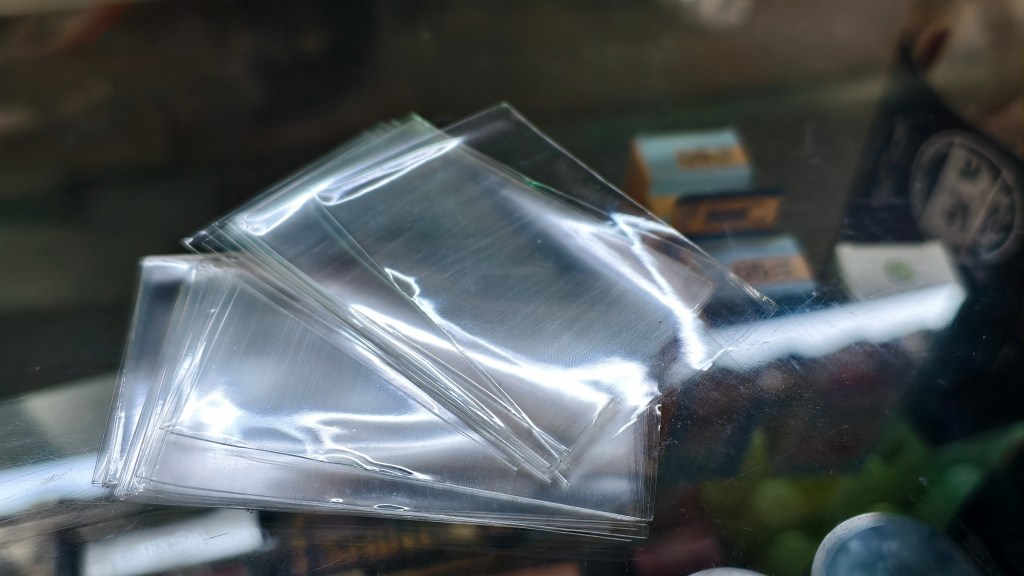
Penny sleeves offer basic, cost-effective protection and are generally sold in bulk. Penny sleeves are basic forms of protection against abrasions and edge wear. Because they tend to be slightly larger than the card, they work well for storage, grading submissions, and as an added layer of protection inside a toploader.
Textured penny sleeves provide a snugger fit and can make cards easier to shuffle, although they are not ideal for long-term storage or shipping. Whichever option you choose, look for sleeves made from acid-free, archival-quality polypropylene. Sleeve color can also help with organization. Blue, red, green, yellow, or other colored backs are common for playable cards, while clear sleeves make it easier to view both sides of collectible cards.
Loading pockets
Before transferring cards into sleeves, wash your hands thoroughly and dry them thoroughly. Handling cards with clean, dry hands helps prevent oils, moisture, and fingerprints from transferring to the card surface. Load each card carefully rather than pushing it into the sleeve with your thumb. Even a tiny bit of pressure on a corner or edge can leave a mark, especially on cards with delicate foil, gloss, or printed surfaces.
Toploaders: Rigid Protection for Valuable Cards
Toploaders add rigid support beyond a basic sleeve, making them a practical choice for cards that need stronger protection during storage, display, transport, or sale.
Why use toploaders?
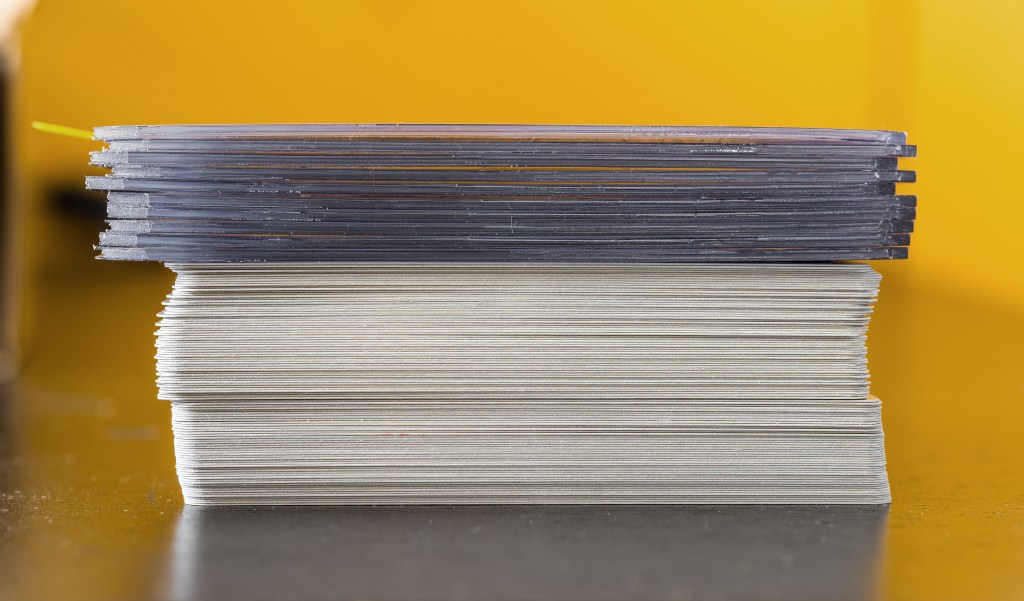
While penny sleeves help protect a card’s surface, they can still allow bending and creasing. Toploaders provide a sturdier second layer that helps prevent corner damage, creases, and bending. They are especially useful for rare, limited-edition, chase, numbered, autographed, high-value, or sentimental cards.
Choosing a toploader
Toploaders come in different sizes, so check card thickness before choosing one. Standard loaders work well for many cards, while thicker memorabilia or specialty cards may need wider holders. The perfect fit should secure the card without squeezing it or allowing it to move excessively.
Toploader options include standard 35-point holders, UV-protective holders, and magnetic one-touch cases. Standard toploaders provide everyday rigid protection, while UV-protective options help limit light exposure. Magnetic one-touch holders offer premium display protection with UV blocking and a secure magnetic closure. Standard toploaders are also commonly available in packs of 25.

Semi-Rigid Holders and Grading Prep
If grading is the goal, learn the submission requirements before packing the cards. Different grading services may specify particular sleeves, semi-rigid holders, labeling, or delivery methods, so checking instructions first can prevent unnecessary repacking. Semi-rigid holders offer a practical balance of flexibility and structural protection for cards that need to remain flat without excessive pressure.
Collectors typically use them with penny sleeves for grading submissions, short-term organization, and shipping. Although they are not as rigid as toploaders, their flexible construction helps protect cards while making them easier to handle and remove when needed.
Binders: Organization With Accessibility
Trading card binders offer a convenient way to browse sets, organize large collections, and keep related cards together, but choosing the right design and materials is essential for preventing avoidable damage. Binders are especially helpful when collectors want to view and share a collection without repeatedly removing cards from protection. They can also make it easier to organize complete sets, player collections, colors, teams, or game categories.
Binders are especially helpful when collectors want to view and share a collection without repeatedly removing cards from protection. They can also make it easier to organize complete sets, player collections, colors, teams, or game categories.
Choosing the right binder
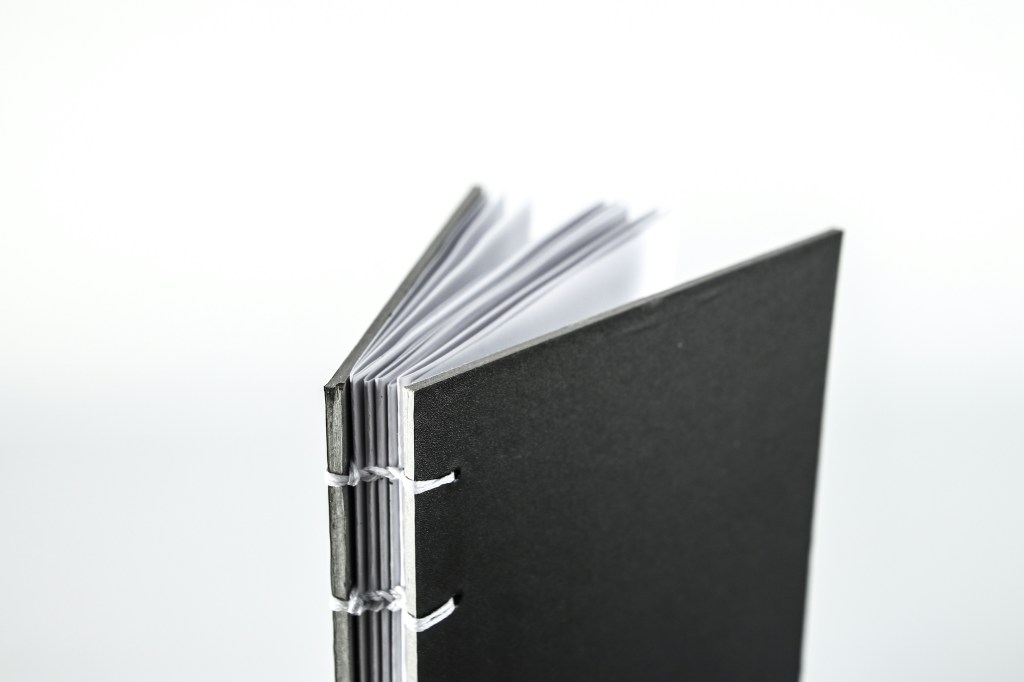
Standard O-ring binders are not recommended because their round rings can leave marks on cards and pages, and they are not designed specifically for trading card storage. D-ring binders are a better option because their straight-edged rings allow pages to lie flatter. Ringless binders, which have pages stitched directly into the spine, minimize contact with metal hardware and are often the preferred choice. Side-loading pockets also reduce the risk of cards slipping out and create an additional protective seal beneath the page overlap.
Organizing and storing cards safely
Binders are especially useful for organizing large collections, and a standard trading card binder can hold approximately 360 cards in side-loading pockets. Store only one card per pocket to avoid scratches, bending, and difficult removal. Always choose PVC-free binder pages and store binders upright to help protect the cards and maintain their condition. Some collectors use color-coded dividers or labels to make sets easier to search. For example, blue, yellow, green, and red tabs can identify different sports, games, years, or collection categories.
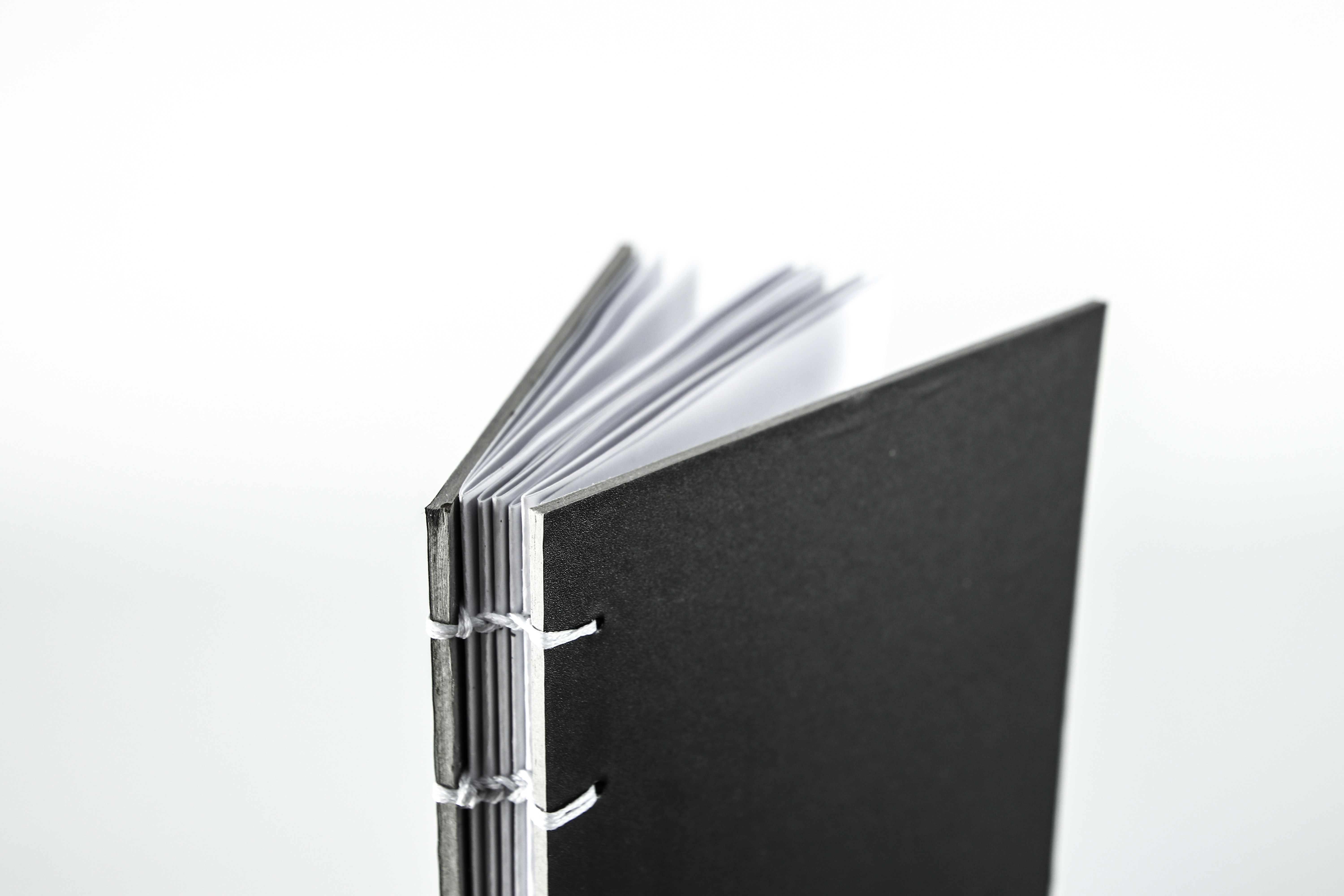
Card Storage Boxes for Sports Cards and Game Cards
Cardboard storage boxes provide a practical solution for collectors managing large quantities of cards, duplicates, sealed products, or organized sets while helping reduce unnecessary movement and damage.
Choosing the right storage box
Choose a box sized specifically for the type and quantity of cards in your collection. Card storage boxes are available in many sizes and price ranges, from cheap single-row cardboard boxes to heavier archival or plastic systems. Before you buy, estimate your card count and leave a bit of room for continuing additions rather than packing every row completely full.
Card storage boxes can hold a substantial number of cards. Standard white corrugated multi-row boxes can keep cards upright, while a refurbished library card catalog may hold approximately 350 cards if its materials are of archival quality. Leyzan storage boxes can hold up to 1,000 cards each.
Collectors with a large collection may keep a simple spreadsheet, database, or inventory account to track which box holds each set. This can save time when searching for one particular card or trying to determine whether you already own duplicates.
Organizing trading card boxes
To keep your cards in good condition, keep them upright and use a rigid block to prevent them from slumping or shifting in partially filled rows. Avoid overpacking, as this can place pressure on the cards and make them difficult to remove safely. Additionally, using cardboard storage boxes can help protect your cards from dust and moisture. Remember to label your boxes clearly, for example, as “sports cards,” “Pokemon cards,” “game cards,” or “MTG cards.”
Labels can also acknowledge different parts of the collection at a glance. A collector might separate baseball, football, basketball, hockey, toys or entertainment cards, Pokémon, and other game cards, then use numbered rows or color-coded dividers to make searching faster.
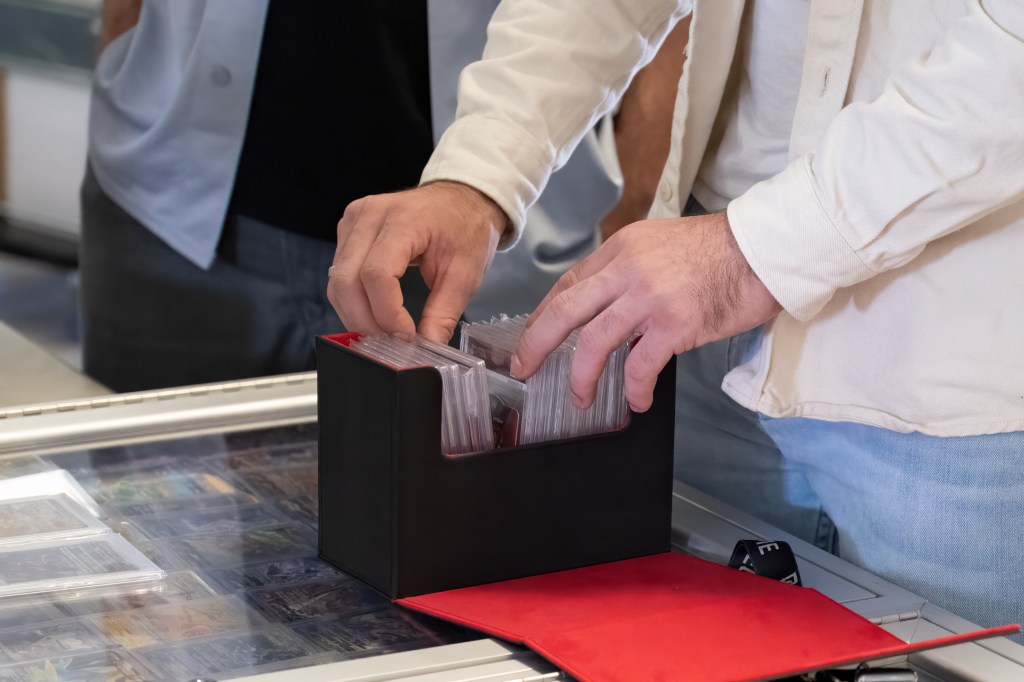
Matching Protection to Card Value
Not every trading card requires the same level of protection. The right storage approach depends on the card’s value, condition, intended use, and importance within your collection.
Common or playable cards may be suitable for sleeves, binders, or organized storage boxes, while display pieces, grading candidates, high-value hits, and sentimental cards often benefit from added support. Combining sleeves with toploaders, semi-rigid holders, or other rigid cases can provide stronger protection against bending, surface wear, and handling damage.
Price is not the only thing that should determine protection. A cheap card with strong sentimental value may deserve the same security as a more expensive card. Likewise, customers buying cards from a collecting business expect the item to arrive in the condition shown, so sellers should match packaging to both monetary and personal value.
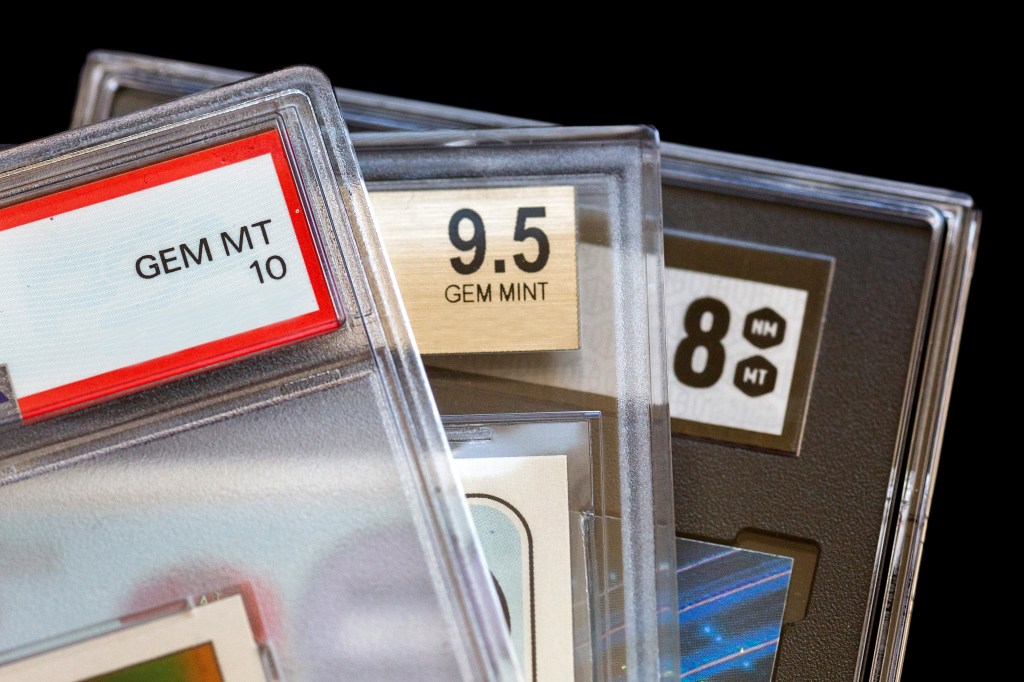
Environmental Risks: Moisture, Heat, and Light
Even well-sleeved cards can be damaged by poor storage conditions, so controlling moisture, temperature, and light exposure is essential for preventing warping, fading, sticking, and mold. Cards with different ink colors, foil treatments, signatures, or specialty surfaces can react differently to light and moisture. Red, blue, green, and yellow printing may fade unevenly over long periods, which is another reason to limit direct UV exposure.
Moisture and heat
For safer storage, maintain temperatures between 65–72°F and relative humidity between 40–50%. Keep cards away from air vents, windows, and plumbing, and avoid basements or attics because these spaces often experience significant temperature and humidity fluctuations.
Light exposure
UV rays can cause card inks to fade quickly, so avoid displaying cards in direct sunlight. When displaying valuable cards, use UV-protective acrylic cases to help limit exposure and preserve their appearance. Professional grading provides the highest level of protection against UV rays and water.
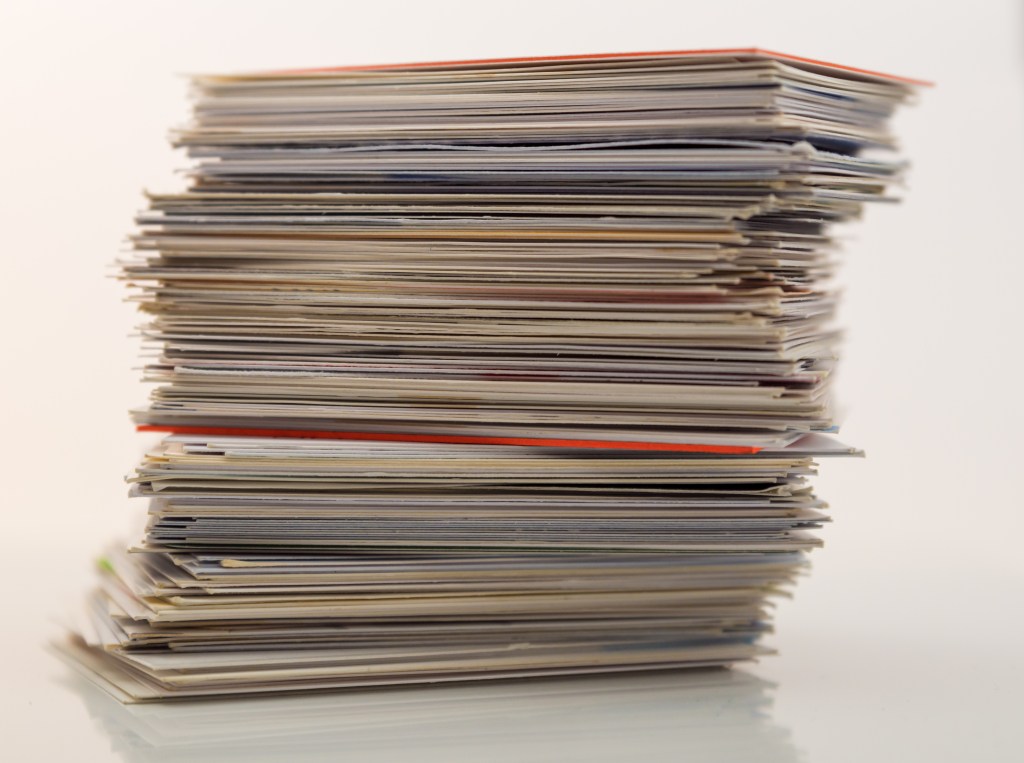
Transporting Cards Without Damage
Trading cards are especially vulnerable during shipping, trading, transport, or at events, so careful packing is essential to limit movement, moisture, and impact damage.
Choose protective shipping materials
Before shipping, check the carrier’s delivery requirements and make sure the package provides enough security for the value of the contents. For expensive orders, tracking and appropriate delivery confirmation can provide an additional record that the package reached the customer.
Use a new corrugated cardboard box sized for the shipment, leaving approximately two inches of space on every side for cushioning. Protect the contents with foam sheeting, air pillows, bubble mailers, packing peanuts, or bubble wrap, and add corner protectors when heavier items need extra stability. Seal the box with heavy-duty shipping tape rather than masking or standard transparent tape. Avoid newspapers and other materials that could scratch fragile or painted collectibles.
Pack trading cards securely
Place each card in a clear acid-free sleeve to protect it from moisture and dirt, then add a semi-rigid holder for support. Separate stacked cards with cardboard dividers and secure them gently so they remain together without excessive pressure. Finish by wrapping the stack in bubble wrap and packing paper before placing it snugly inside the protective box. Do not load too many cards into one holder or force a stack into a box that is too small. It is better to use a slightly larger package with proper cushioning than create pressure points that can bend cards in transit.

Building a Long-Term Card Protection System
A strong long-term protection system combines sleeves, rigid holders, binders, boxes, labeling, and climate-conscious storage. As a collection grows, consistent organization makes it easier to locate important cards, protect them from avoidable damage, and preserve their condition over time.
With more cards, organization becomes just as important as physical protection. Keep a current card count, label each storage location, and track valuable or graded cards separately. If you regularly buy, sell, or trade, continuing to update the inventory can prevent duplicates and make it easier to search for a particular card.
Protective materials such as sleeves, holders, slabs, and toploaders help protect trading cards from corner wear, surface scratches, bending, and handling damage by creating a barrier between each item and surrounding surfaces. For added long-term protection, choose acid-free supplies and archival-quality boxes that keep cards upright, organized, and shielded from pressure, scratching, and deterioration.
There is no single perfect system that every collector has to agree on. Some prefer binders because they make cards easy to view and share, while others prefer card storage boxes, toploaders, or graded slabs for added security. The best approach is the one that protects the collection while remaining practical to use.
This article is intended for informational purposes only. Collectibles Insurance Services, LLC, its parents, affiliates, and anyone connected with them are not responsible or liable in any way for your use of the information contained in or linked to from this article. Reliance on the information provided in this article is solely at your own risk. If you have questions about any of the topics addressed in the article, please contact a subject-matter expert.
FAQ
Should trading cards always be stored in sleeves before going into toploaders or binders?
For most collectible cards, a sleeve is a useful first layer of protection before using a toploader, binder, or other rigid holder. The sleeve protects the surface from scratches and helps prevent direct contact with harder storage materials.
Check that the sleeve and holder are the right size. Forcing a card into a tight sleeve or loader can damage corners and edges.
Are binders or boxes better for long-term trading card storage?
Both can work. Binders are useful when collectors want to view and share cards regularly, while card storage boxes are practical for organizing more cards, duplicates, complete sets, sports cards, and game cards.
For larger collections, label boxes clearly, maintain a card count, and consider using color-coded dividers to make cards easier to search and track.
What storage mistakes are most likely to damage valuable trading cards?
Common mistakes include storing cards without sleeves, using PVC-containing materials, overloading binder pockets, overpacking boxes, exposing cards to heat or sunlight, and forcing cards into holders that are too small.
Collectors should also avoid handling surfaces with a thumb, loading too many cards into one holder, and using cheap materials that have not been designed for archival card storage.
Sources
https://collectiblesupply.com/trading-and-gaming-cards/trading-cards/trading-card-boxes
https://www.walmart.com/c/kp/card-protector
https://www.reddit.com/r/OnePieceTCG/comments/1jdnaht/what_kind_of_storage_box_can_i_buy_for_my_bulk_of
https://www.amazon.com/Leyzan-Trading-Card-Corrugated-Collection-Horizontal/dp/B0CDNS16XB
https://geekydomain.com/blogs/guides/ultimate-tcg-storage-card-protection-guide
https://evoretro.ca/blogs/news/trading-card-binder-guide
https://www.cardshellz.com/blogs/the-bunker/card-protection-guide
https://ripped.topps.com/protecting-trading-card-collection-guide/
https://www.cardshellz.com/blogs/the-bunker/how-to-store-trading-cards
About Collectibles Insurance Services
Collectibles Insurance Services has been protecting collections since 1966 and all coverage is provided by a carrier with a group rating of “A” (Excellent) by AM Best, the leading rating agency for the insurance industry.
Comprehensive coverage includes, but is not limited to: accidental breakage, burglary, fire, flood, loss in the mail, theft, natural disasters, and other causes of loss unless specifically excluded from the policy. Deductibles start at $0 for collector policies and we provide coverage for the market value of your collection for losses in excess of $50.
Additionally the protection extends At home and away, and we don't require collection itemization and serial number nor extensive paperwork and red tape.