
The Ultimate Guide to Exchanging Collectibles: Tips and Strategies
The Ultimate Guide to Exchanging Collectibles: Tips and Strategies
Discover effective tips and strategies for exchanging collectibles, ensuring you maximize value while navigating the trade landscape. Read more now!
Exchanging Collectibles: Why Trading Is a Core Part of the Hobby
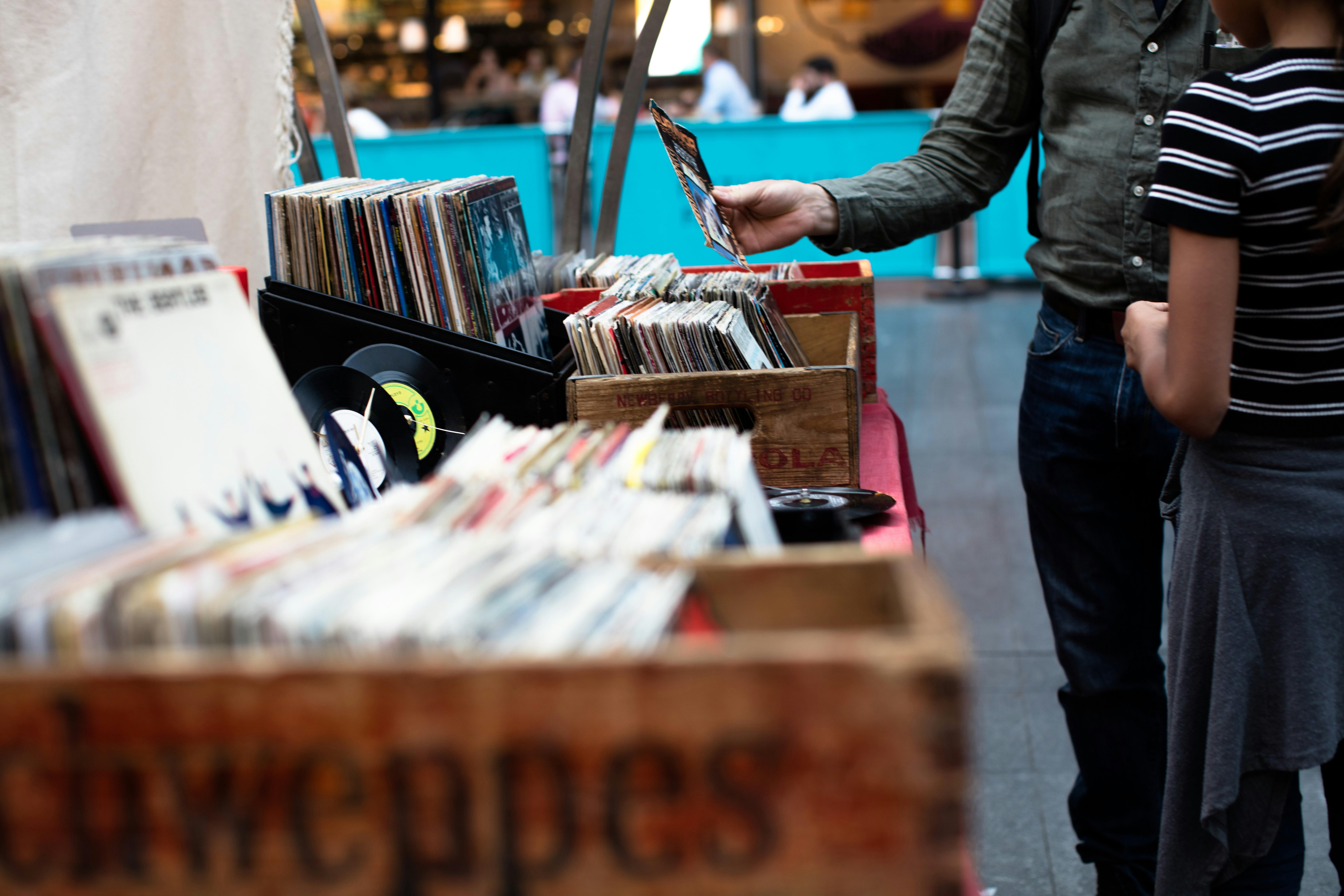
Trading has always been a central part of collecting culture, serving as a vital means for collectors to enhance and refine their collections. Whether it’s sports cards, pop culture memorabilia, vintage toys, or rare memorabilia, trading offers a unique opportunity to swap items and elevate the quality of one’s collection. The thrill of trading lies in acquiring new pieces and building relationships with fellow collectors.
Exchanging collectibles enhances personal collections and builds community among collectors. This culture fosters connections and friendships as individuals come together to discuss, negotiate, and trade items that reflect their interests. Through these interactions, collectors become more engaged with their hobbies, gaining insights into the value and history of their items while sharing stories and experiences.
Where Collectors Actually Trade Items
Collectors often trade through various platforms and communities dedicated to their specific interests, whether they be trading cards or comic books. Hobby forums, collector groups, conventions, and online marketplaces provide structured spaces where members can safely exchange items. These environments foster connections among collectors and create opportunities to find rare or desired pieces.
Forums such as Reddit and dedicated sites tailored to specific hobbies, brands, musicians, or sports serve as valuable resources for collectors. Additionally, collector groups can be found on social media platforms like Facebook, Tumblr, and Discord, where enthusiasts gather to share knowledge and trade items. Online marketplaces such as eBay, Etsy, Facebook Marketplace, PWCC Marketplace, StockX, Heritage Auctions, and Whatnot further facilitate these transactions, allowing collectors to buy and sell with ease.
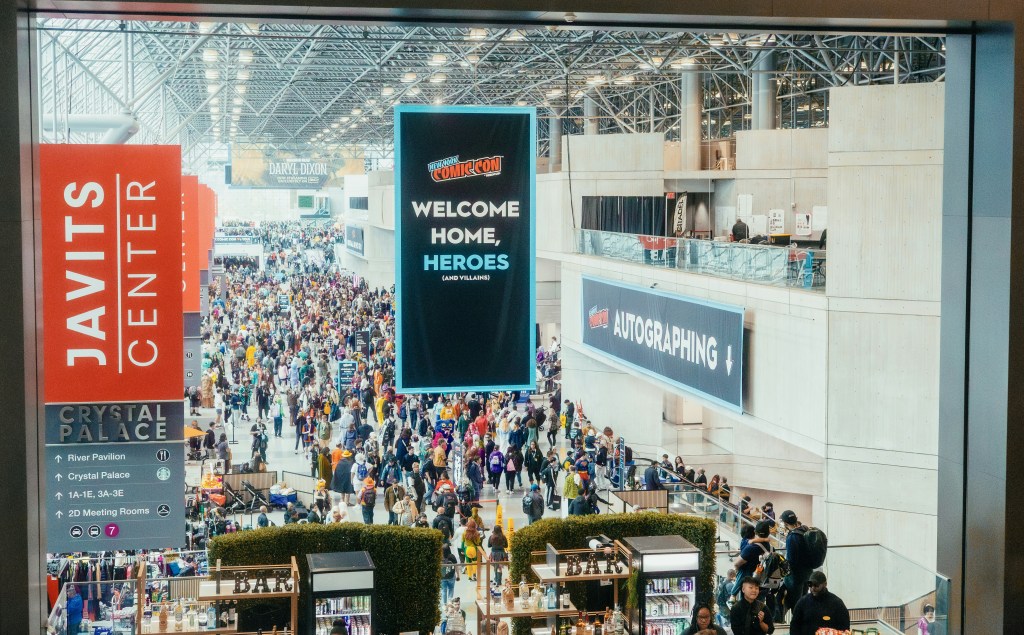
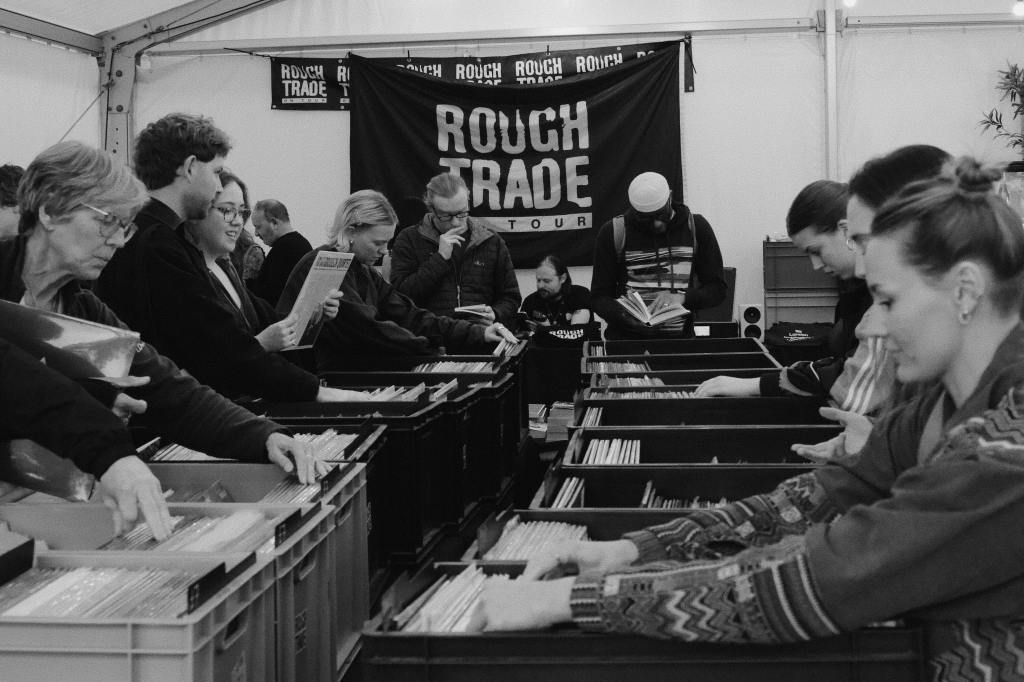
In-person trading events also play a significant role in the collecting community. Conventions, meet-ups, and trade or swap events offer collectors the chance to interact face-to-face, share their passion, and conduct trades in a lively atmosphere. These events help build relationships within the collecting community and enhance the overall trading experience for collectibles.
Understanding Fair Value Before Negotiating
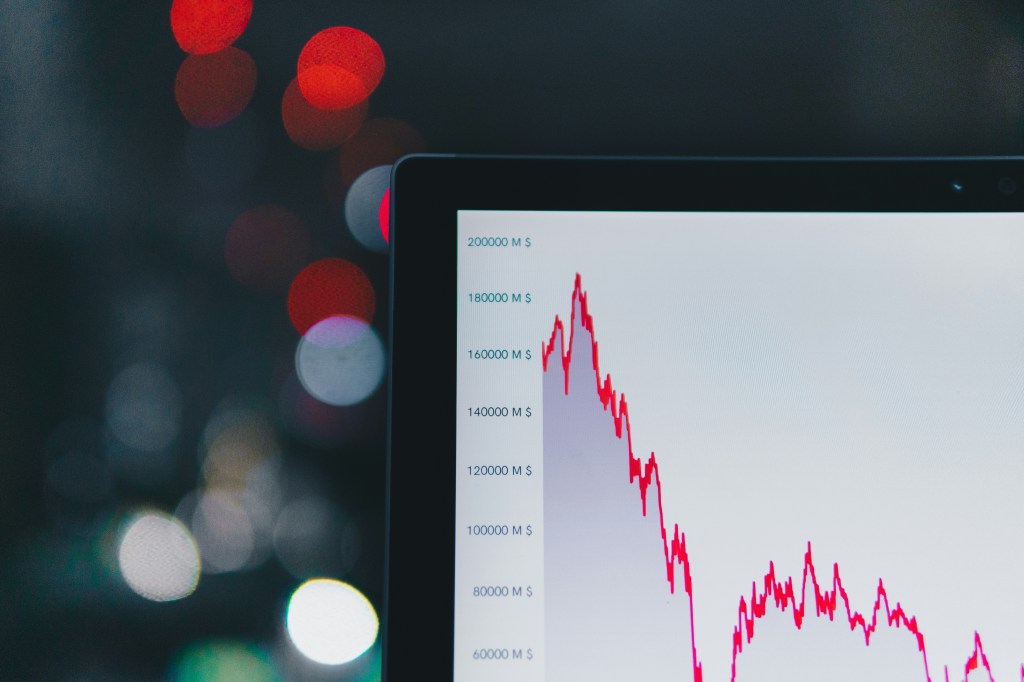
Before agreeing to a trade, collectors typically conduct thorough research on market values to gain a clear understanding of what items are worth. Comparable sales, auction listings, and discussions within collector communities help establish realistic expectations for both parties involved in the transaction. This foundational knowledge is crucial for ensuring a fair value in collectible trades and can significantly influence the outcome of negotiations in collectible swaps.
Collectibles market
Researching the item is essential, particularly to determine its market value and authenticity before any transaction. As the collectibles market continues to evolve, it has witnessed substantial growth, largely driven by rising interest from younger collectors and the emergence of digital collectibles. In fact, the global collectibles market was valued at approximately $372 billion in 2020, showcasing significant opportunities driven by this new wave of collectors.
This massive market is incredibly diverse. Alongside mainstay collectibles like comic books, action figures, trading cards, and the like, the collectibles market also includes niches like rare wine and spirits, which are recognized as valuable collectible asset classes. Their value is driven by factors such as scarcity, age, and brand equity, making them an attractive option for collectors looking to diversify their portfolios. Overall, understanding the collectibles landscape and conducting thorough research can greatly enhance collectors’ trading experience.
Professional grading services
Additionally, specific categories within the collectibles market have seen dramatic spikes in demand and value, particularly sports memorabilia, comic books, and sports and trading cards, which have garnered heightened interest during the pandemic. For high-value items, such as rare cards or rare coins, it is advisable to seek appraisals from professionals or use professional grading services. Organizations like the Professional Sports Authenticator (PSA) offer reliable grading to enhance the credibility of such items.
The Art of Haggling Without Damaging Relationships
Negotiation is an integral part of most collectible trades, and successful collectors understand the importance of balancing bargaining with respect. Polite negotiation and clear communication are key to building better long-term relationships within collector communities. By approaching negotiations thoughtfully, collectors can foster connections that enhance their trading experiences.
In the realm of collectible trade, negotiating is both an art and a science. Successful trades often hinge on both parties feeling they are receiving good value. Knowing the precise value of each collectible you hope to trade is crucial for negotiating effectively. This knowledge empowers you to advocate for your interests while acknowledging the value the other party brings to the table.
Integrity plays a vital role in bargaining. It is essential never to bluff or lie during negotiations, as doing so can irreparably damage your credibility for future dealings. Building trust with fellow collectors and other dealers is invaluable, and a high degree of honesty is the foundation of any strong negotiation. Moreover, being flexible and willing to adjust the deal terms can be the difference between a stalled negotiation and a successful transaction.
When entering negotiations, allowing the other party to make the first offer can be a strategic move. This approach often sets the tone for discussions and may even secure a better deal for you. Additionally, in specialized markets, such as rare coins, cultivating good business relationships with dealers is essential. The interconnected nature of these communities underscores the importance of mutual respect and goodwill in successful trading endeavors.
Authenticity Checks: Avoiding Costly Mistakes
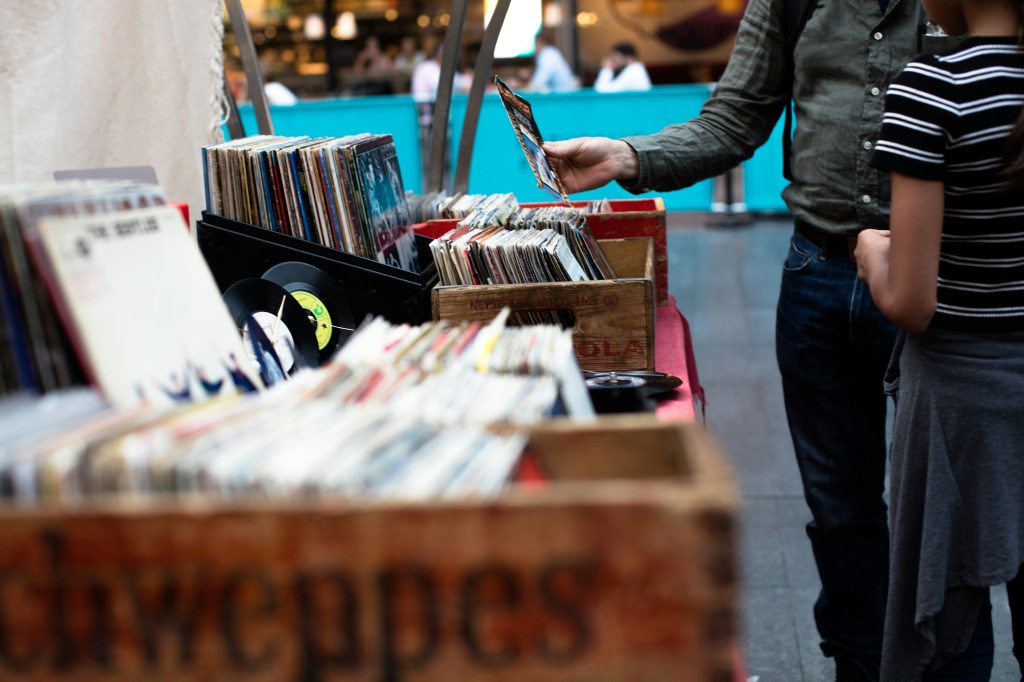
When finalizing a trade in collectibles, it’s crucial for both parties to verify the authenticity, condition, and provenance of the items where possible. Counterfeit items and misrepresented conditions are among the most common challenges that collectors face during exchanges. Taking these steps can significantly reduce the risk of falling for a scam.
Key tactics for successful trading involve maintaining clear documentation and utilizing reputable intermediaries, especially for high-value items. Additionally, participating in dedicated community meetups can offer opportunities to network and gain insights from experienced collectors. Engaging with fellow enthusiasts can enhance your knowledge and help you make informed decisions.
In the realm of online trading, make sure you are dealing with reputable collectors who have established feedback or a history of positive interactions. Checking reviews and ratings is essential for ensuring a safe transaction. Successful collectibles marketplaces often feature community-oriented elements, such as forums, price guides, and market analysis, which can further enhance your trading experience.
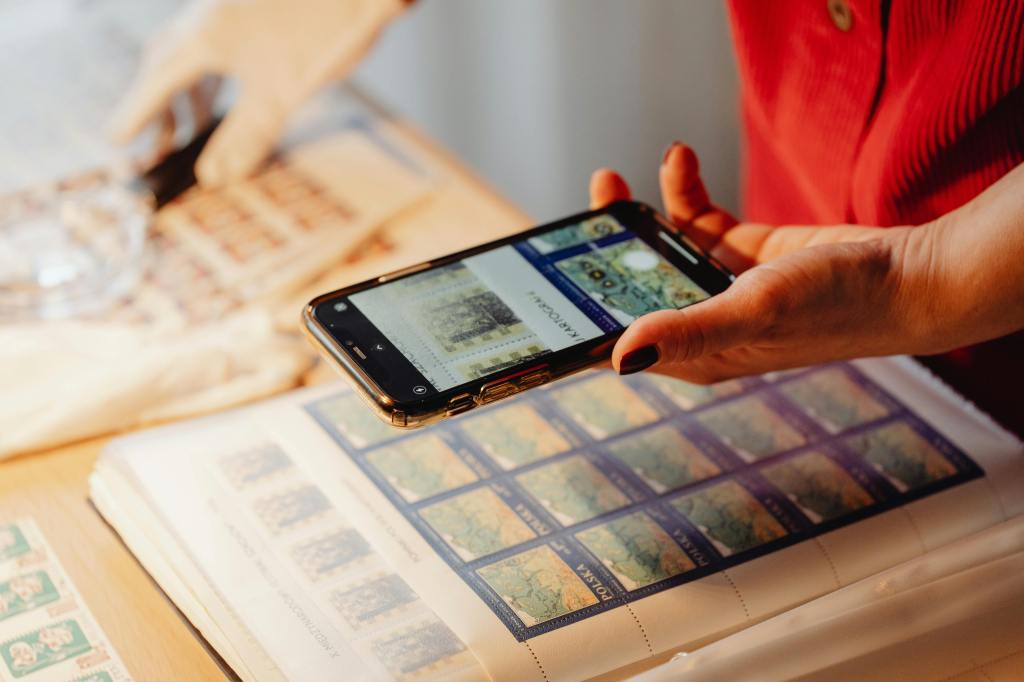
When buying online, it’s always a good practice to request photos and videos of the items to confirm their condition and authenticity. However, be mindful that buying in person also carries risks. It’s important to know exactly what you are purchasing; take the time to research items on your phone and verify their details before completing the transaction. Thorough research is key to avoiding pitfalls in both online and in-person trades.
Structuring Safe Transactions
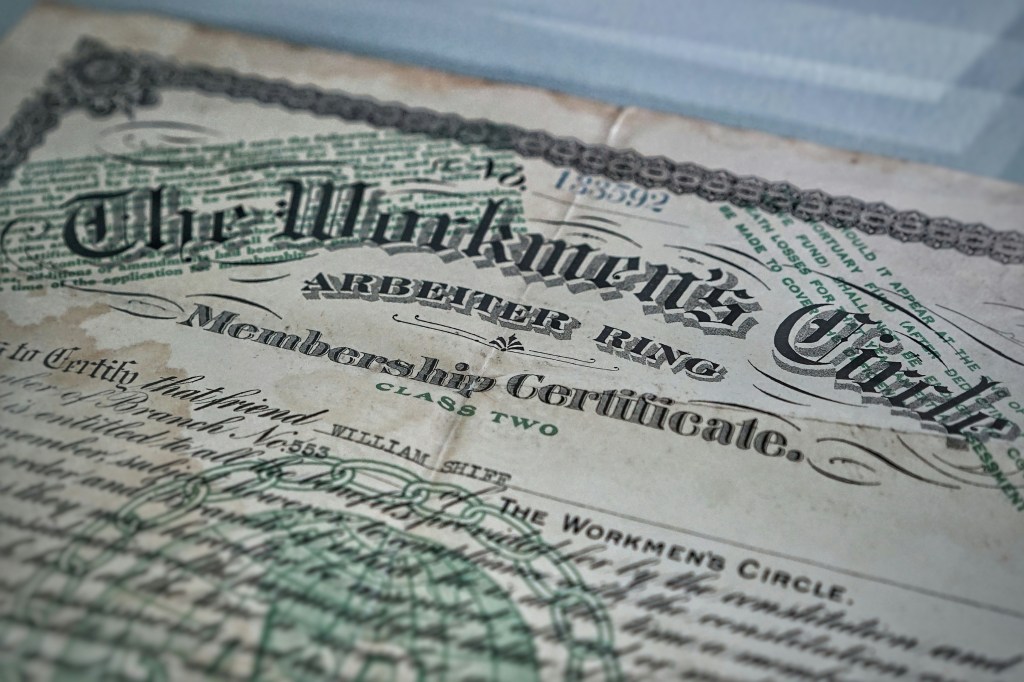
Many collectors prefer documented agreements or trade confirmations to prevent misunderstandings when exchanging items. Having clear documentation can significantly reduce the potential for disputes and ensure that both parties are on the same page regarding the transaction. Additionally, incorporating shipping insurance, tracking numbers, and photographs of items before shipment enhances transparency in online trade. This level of clarity is crucial for building trust and creating a successful trading environment.
For high-value transactions, it is advisable to utilize an escrow service. This approach allows the buyer’s payment to be held securely until both parties have approved the transaction. This extra layer of protection can provide peace of mind and help foster confidence between buyers and sellers.
When engaging in cash trades, using secure payment methods like PayPal Goods and Services is essential to ensure buyer and seller protection. These services often offer safeguards that help both parties feel more secure in their transaction, reducing the risk of fraud.
Finally, for in-person trades, it is best to choose public locations that are well-lit and busy, such as parks, cafes, or designated ‘Safe Trade Zones’ provided by local police stations. Conducting trades in these environments can help ensure safety and deter potential fraudulent activities, making the exchange process smoother for everyone involved.
Common Risks and Scams in the Trading World
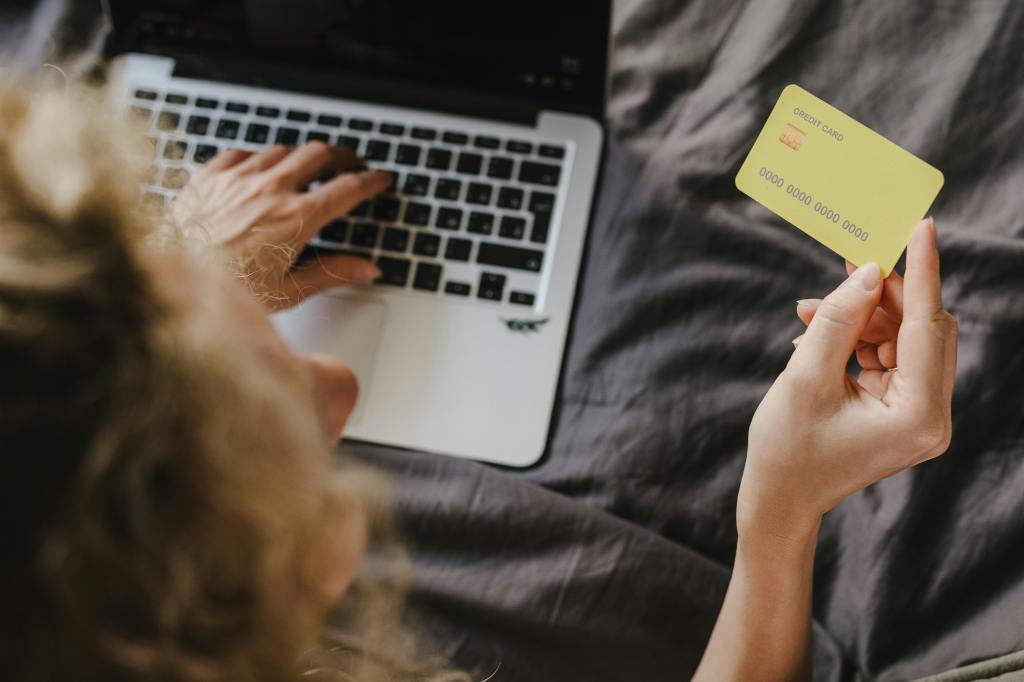
Collectible theft, fraud, and dishonest deals can occur when traders skip essential verification processes or rush transactions. By being aware of common hobby scams, collectors can protect themselves from making mistakes that could endanger both their finances and the trust they build within the community.
To ensure safe collectible transactions, it’s important to approach deals with a healthy skepticism, especially when they seem too good to be true. Clear communication about an item’s condition is vital, as misunderstandings can easily lead to disputes. Establishing trust and transparency with potential trading partners lays a solid foundation for successful exchanges.
There are several common scams that collectors should be aware of. These include counterfeit items that can easily deceive unsuspecting buyers, and the “bait and switch” packaging tactic that entices collectors with one item but delivers something entirely different. Other scams include fake graded slabs, family and friends’ discounts, advanced fees for nonexistent services, shill bidding, and return fraud by buyers who may attempt to scam sellers. Being informed about these risks is the first step toward trading collectibles safely and securely.
Trading vs. Selling: Choosing the Right Strategy
Some collectors prefer trading because it allows them to acquire desired pieces without spending cash. This method can be particularly appealing for those looking to expand their collections while conserving their financial resources. On the other hand, some collectors choose to sell their items first and then purchase new ones. This approach provides more control over the value of the items being acquired. Collectors often seek to sell or trade items that no longer fit their collections, leading to mutually beneficial transactions with dealers.
To maximize your return when trading collectibles, it is essential to develop self-confidence and become an astute deal-maker. Understanding the value of your items and being aware of market trends can significantly enhance your trading experience. Building strong negotiation skills is also crucial, as it can lead to better deals and successful transactions.
In the selling landscape, technology platforms are emerging to democratize access to collectible markets, allowing investors to capitalize on growth opportunities. These platforms have transformed how collectors buy and sell items. The business model of collectibles marketplaces typically revolves around transaction fees or commissions, which often range from 8-15%. This fee structure is important to consider when pricing items for sale or during trading discussions.
Whether you are selling or trading, there are several tips that can lead to successful outcomes:
- First, take high-resolution photos from multiple angles to effectively document the item’s condition. This not only helps attract potential buyers but also provides transparency.
- Secondly, package items securely using bubble wrap or sturdy materials to ensure safe shipping and handling.
- Additionally, collect and preserve documentation, photos, and receipts as a clear paper trail to verify the item’s origin.
- When trading online, it’s wise to limit communication to the platform’s official messaging to ensure safety.
- Lastly, when using PayPal for transactions, avoid the ‘Friends and Family’ option when trading with strangers, as it offers no fraud protection, ensuring your transactions remain secure.
Building Long-Term Trading Relationships
Strong relationships within collector communities often lead to better trade opportunities. Trust, honesty, and clear communication are vital for repeat trades and building stronger networks in the hobby. Engaging in open dialogues and being transparent about trade expectations can significantly enhance the overall trading experience.
Building good relationships with dealers is particularly vital in the rare-coin marketplace, which is small and interconnected. Building rapport with dealers can result in better terms, exclusive offers, and insider insights on upcoming trades. By nurturing these connections, collectors can benefit from a wealth of information and resources.
Simplifying the issues during negotiations can also expedite the agreement process. By focusing on key points and avoiding unnecessary complexity, both parties can reach a consensus more efficiently. This streamlined, business-like approach not only saves time but also helps maintain a positive atmosphere throughout the trading experience.
Attending conventions, like comic-cons or sports memorabilia shows, is a great way to meet collectors and dealers. These events allow enthusiasts to network, exchange ideas, and form relationships that can lead to future trades. Being present at such gatherings helps build a sense of community and trust among participants.
Additionally, joining specialized Facebook groups or Reddit threads can greatly enhance your ability to connect with potential traders. These online platforms provide spaces to build a reputation, share knowledge, and find trading opportunities. Active participation in these communities can lead to valuable relationships and successful trades with like-minded collectors.
Why Trading Keeps the Hobby Dynamic
Trading encourages the circulation of rare items, allowing collectors to continually refine their focus on what truly matters to them. By exchanging pieces thoughtfully, collectors can build stronger, more meaningful collections over time. Engaging with others in collectible trading communities and sharing tips and strategies can lead to more informed decisions and greater satisfaction in the collecting journey.
Over the past decade, the collectibles market has undergone a remarkable transformation, evolving from niche hobbyist items into a multibillion-dollar marketplace. This growth reflects a broader recognition of the value of collectibles, both emotionally and financially. Many collectibles offer low correlation and lower volatility compared to traditional assets, making them an attractive diversification option for investment portfolios.
As the collectibles industry continues to expand, many marketplaces are branching out into adjacent services. This includes services like storage, insurance, and authentication, enhancing the collector experience and generating revenue for businesses. Collectibles marketplaces have become specialized platforms for buying, selling, and trading rare items, highlighting the importance of collectibles in today’s economy.
This article is intended for informational purposes only. Collectibles Insurance Services, LLC, its parents, affiliates, and anyone connected with them are not responsible or liable in any way for your use of the information contained in or linked to from this article. Reliance on the information provided in this article is solely at your own risk. If you have questions about any of the topics addressed in the article, please contact a subject-matter expert.
FAQ
What is the safest way to exchange collectibles with someone online?
Start with a platform that has real buyer and seller protections. Keep all messages on the platform, and only trade with people who have clear feedback and a history of successful deals. Use a protected payment method, use tracking, and require signature delivery for anything that would hurt to lose. Take clear photos before shipping and keep them until the deal is fully complete. For high value trades, escrow can add an extra layer of safety.
How can collectors determine fair value before agreeing to a trade?
Use recent sold prices, not asking prices. Check completed sales on major marketplaces, recent auction results, and any trusted pricing data your community relies on. Then match the comp to the item in front of you. Condition, completeness, and grading can change the number fast. If values are scattered, set a reasonable range and trade within it so both sides feel good about the swap, or find a way for one party to pay the difference.
What warning signs suggest a collectible trade may be a scam?
Pressure is the first red flag. If someone rushes you, pushes you off the platform, or asks for a payment method with no protection, slow down. Be cautious if they will not provide clear photos or videos, avoid questions about condition, or give a story that keeps changing. Deals that feel too good to be true often are, and don’t expect others to support you just on face value. So are trades involving fake slabs, bait and switch listings, and requests for upfront fees for services that do not exist. The only foolproof way is to focus on building trusting, personal relationships with other collectors, dealers, or sellers.
Sources
https://www.reddit.com/r/gamecollecting/comments/11astq6/where_do_you_trade_with_other_collectors/
https://www.andrewmellen.com/post/sell-vintage-collectibles-online-fast
https://source-vintage.co.uk/blogs/news/the-dos-donts-of-haggling-in-the-antiques-collectibles-trade
https://www.thevintageseeker.ca/magazine/what-to-do-with-your-vintage-items-selling-yourself-vs-engaging-a-reseller
https://www.psacard.com/articles/articleview/6315/ten-tips-building-collection
https://www.cardboardconnection.com/collecting-101/top-10-sports-collectibles-crimes-to-avoid
https://themedium.ca/time-to-catch-them-all-a-peek-into-the-trading-and-collecting-community/
https://www.reddit.com/r/mtgfinance/comments/ohmfei/any_collectors_focus_on_trading_instead_of/
https://www.crystalfunds.com/insights/the-collectibles-market-from-hobby-to-investible-asset-class
https://www.usgoldexpert.com/articles/the-art-and-science-of-negotiating
https://raregoldcoins.com/blog/articles/how-to-succesfully-negotiate-a-trade-with-your-coin-dealer
https://www.sharetribe.com/create/how-to-build-marketplace-for-trading-collectibles
https://www.gobacktothepast.com/what-we-handle
https://collectorswatch.com/learn/avoiding-scams
About Collectibles Insurance Services
Collectibles Insurance Services has been protecting collections since 1966 and all coverage is provided by a carrier with a group rating of “A” (Excellent) by AM Best, the leading rating agency for the insurance industry.
Comprehensive coverage includes, but is not limited to: accidental breakage, burglary, fire, flood, loss in the mail, theft, natural disasters, and other causes of loss unless specifically excluded from the policy. Deductibles start at $0 for collector policies and we provide coverage for the market value of your collection for losses in excess of $50.
Additionally the protection extends At home and away, and we don't require collection itemization and serial number nor extensive paperwork and red tape.