
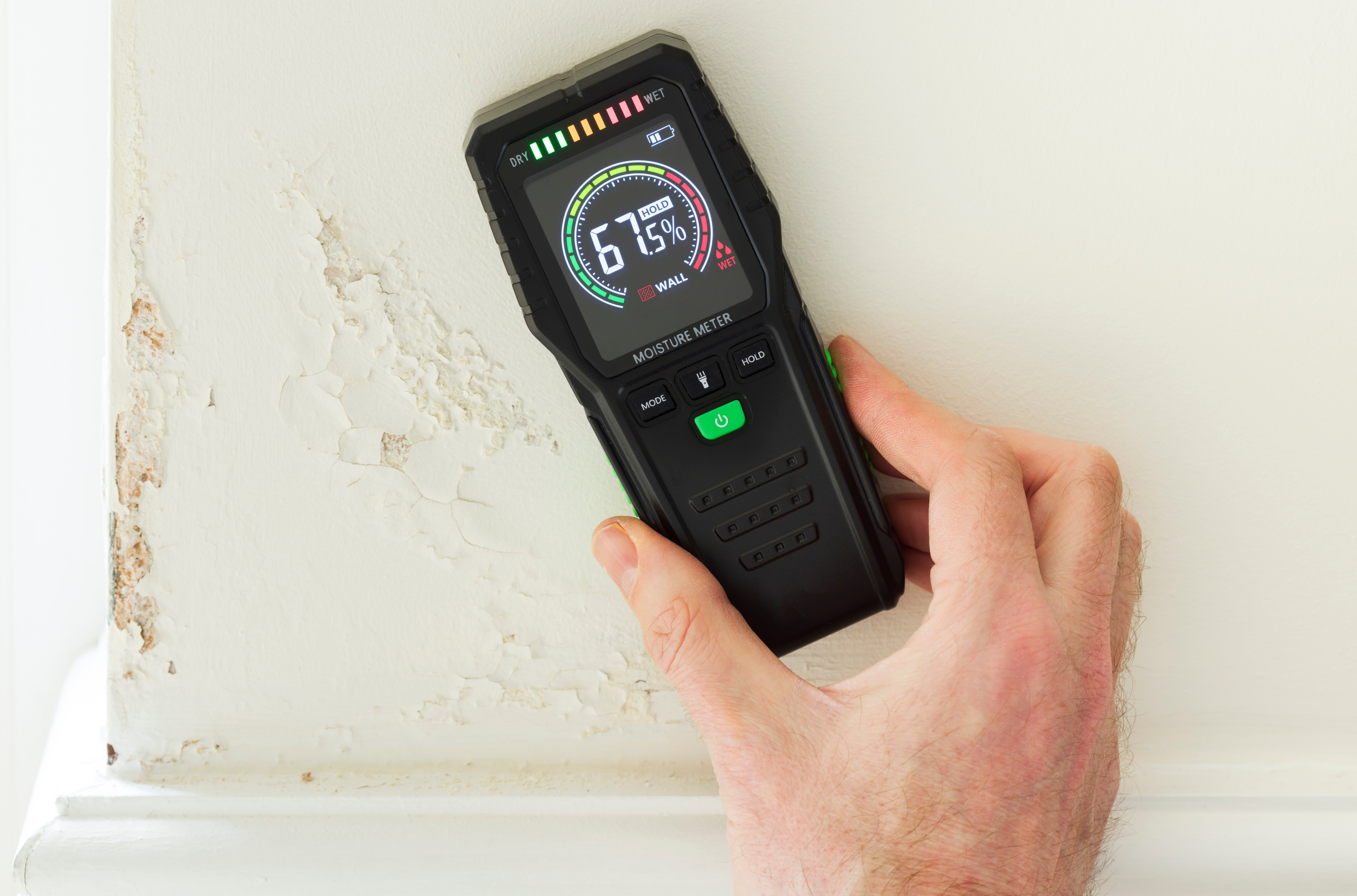
Essential Guide to Fungus Protection for Collectibles and Preservation
Essential Guide to Fungus Protection for Collectibles and Preservation
Discover essential tips for protecting your collectibles from fungus and ensuring their preservation. Read the guide to safeguard your treasures today!
Fungus Protection for Collectibles: Why Mold Is a Silent Threat
Mold and mildew are often insidious threats to collections, silently spreading and causing significant damage over time. It is essential to be aware of the risks they pose, particularly to paper, textiles, plastics, and adhesives, as fungal damage can be challenging to reverse. Therefore, proactive prevention is crucial in protecting your cherished items.
Adverse health effects
Exposure to mold can have serious health concerns. Individuals may experience allergic reactions characterized by symptoms such as sneezing, runny noses, and skin rashes. Those with compromised immune systems or known sensitivities should be especially cautious, as contact with active mold can exacerbate their conditions. Mold spores can enter the body through inhalation or ingestion, leading to severe health consequences, even from types that are not considered highly toxic. Furthermore, both active and inactive mold can pose risks to individuals working with contaminated materials, as mold can produce allergens, irritants, and mycotoxins linked to various health problems.
Impact of mold on collectibles
The damage mold and mildew cause to collectibles is twofold: material degradation and loss of value. When these fungi establish themselves, they can irreparably damage the materials, leading to permanent staining that may persist even after visible mold is eliminated. This degradation not only diminishes the physical quality of your items but can also lead to a loss of emotional value, creating a significant sense of loss for collectors. Recognizing these potential damages underscores the importance of vigilance in mold prevention and collection care.
How Mold and Mildew Form in Collection Environments
Mold growth is a common issue that can potentially damage personal belongings and harm indoor air quality. Fungi thrive in environments that provide the right conditions, leading to a proliferation that can be difficult to manage.
Conditions for mold development
Fungi thrive in warm, damp, and poorly ventilated spaces, making certain areas of the home particularly vulnerable. Basements, closets, safes, and sealed containers can become breeding grounds for mold when humidity is unchecked. Understanding these conditions is crucial for prevention and control. Mold spores are present everywhere in our environment, both indoors and outdoors. These spores can become active and begin to grow when moisture is available. This highlights the importance of maintaining low humidity levels and being vigilant about moisture in the air.
Nutritional sources for mold
Mold spores require both moisture and suitable nutrients to flourish. They can grow on a variety of organic materials, including paper, wood, and textiles.
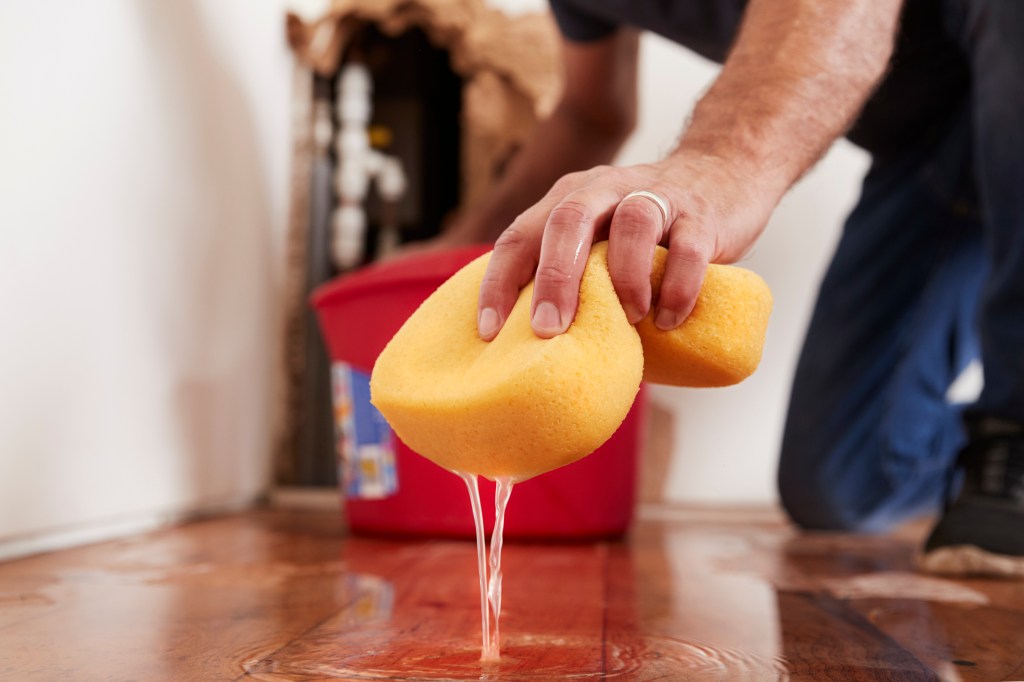
Certain areas in the home are more prone to mold growth due to their inherent conditions. Basements, closets, safes, and sealed containers can easily become hotspots when humidity is not controlled. Additionally, structural issues such as water leaks, foundation cracks, and gaps can contribute to damp environments, further facilitating mold growth.
To prevent mold growth, it’s crucial to regularly inspect your home’s structure for signs of water damage. Keeping an eye out for leaks and addressing any moisture issues promptly can significantly reduce the risk of mold infestation and protect your valuables from damage.
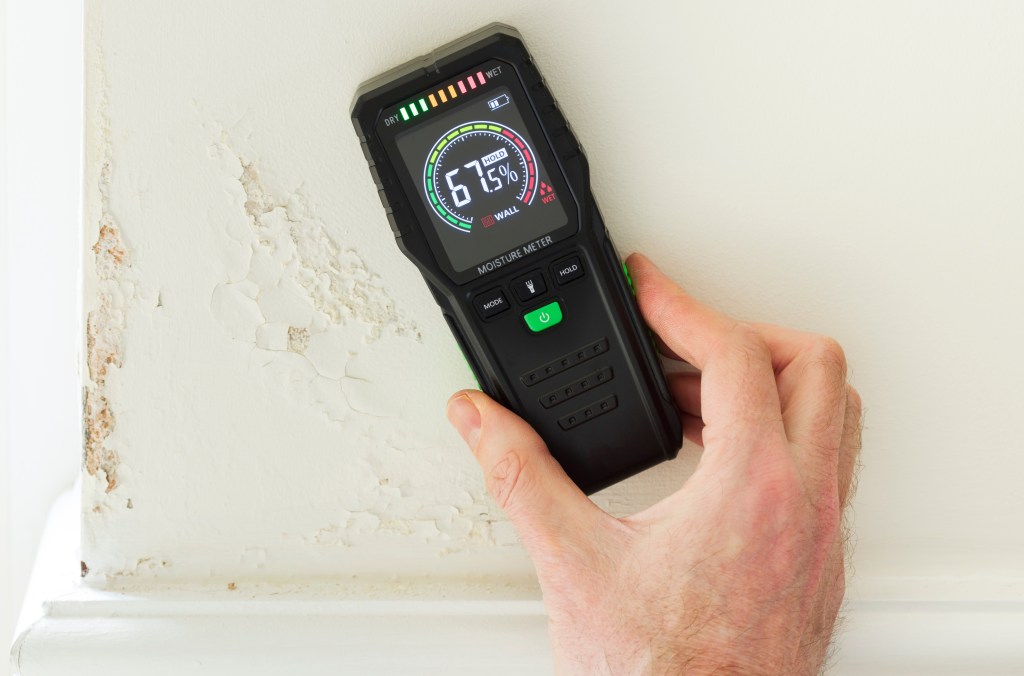
Early Warning Signs Collectors Often Miss
Mold growth can pose significant risks, especially for valuable collectibles and memorabilia. Early detection of mold can save items from irreversible damage. This guide highlights the signs of mold and mildew and the importance of regular inspections to safeguard your cherished possessions.
Early warning signs
Recognizing the initial indicators of mold growth is crucial for preventing extensive contamination. Common signs include musty odors, faint spotting, discoloration, or a surface haze on your items. In addition to the more obvious signs, collectors should be vigilant for other indications of mold damage. Look for warping or curling in paper and cardboard items, as well as increased brittleness that can compromise the structure of your collectibles. Detecting these subtle changes early can significantly help in mitigating mold-related risks.
Active mold growth vs inactive mold
Active mold produces spores and thrives by breaking down its food source, whereas inactive mold, or dormant mold, remains that way due to unfavorable moisture, temperature, and air conditions. Active mold feels wet or may smear when touched, while inactive mold is dry and powdery. Understanding the difference between mold and mildew can aid in identification. Mold often presents as fuzzy growth, strange spots and stains, and white stringy filaments that stretch across porous materials. In contrast, mildew typically appears as a haze or patchy spots in shades of white, black, or gray, with a distinct musty odor.
Mold inspections
Conducting regular inspections of your collections is essential, particularly during humid seasons. Monthly checks can help you promptly identify musty smells or signs of moisture that could contribute to mold growth. Mold thrives when moisture is present along with an organic substrate, making these inspections vital for maintaining the integrity of your memorabilia.
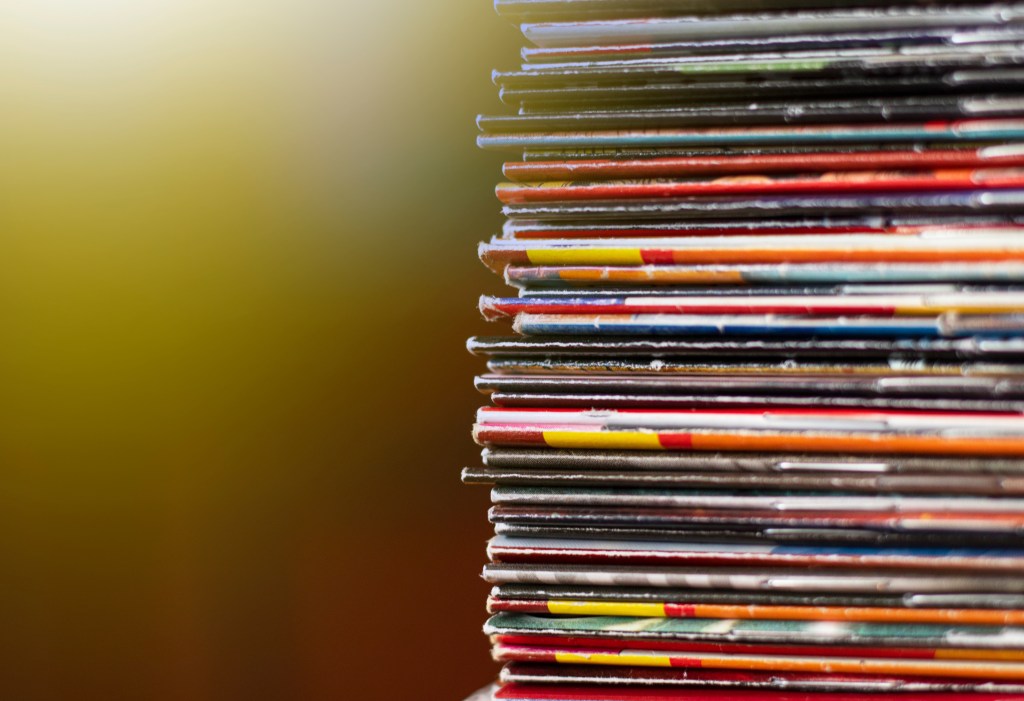
Materials Most Vulnerable to Fungal Damage
Mold and mildew are common problems that can affect a wide range of materials, especially those made from organic substances. Understanding the conditions that promote their growth is crucial for preservation and protection, particularly in collectibles and antiques.
Susceptible collection materials
Certain materials are particularly vulnerable to fungal growth. Paper, cardboard, leather, wood, and fabrics can easily become moldy and mildewy when exposed to moisture. Even seemingly inert materials like plastics and metals can sustain secondary damage from moisture and residues that promote mold growth. Mold spores are ubiquitous in the environment and can remain dormant until activated by moisture. Once humidity levels rise, these spores can thrive, leading to damaging growth. It’s essential to be aware that mold can become a problem quickly, especially in environments with poor ventilation or high humidity.
The consequences of mold growth
The consequences of mold growth can be severe. Mold not only causes permanent staining on affected materials, but this discoloration may persist even after the visible mold has been eliminated. Additionally, the structural integrity of affected items may be compromised, especially in older, more delicate items such as collectibles and antiques. Mold can grow on any organic material that provides suitable nutrients. This includes items made from paper, wood, and textiles.
Controlling Humidity Before Mold Takes Hold
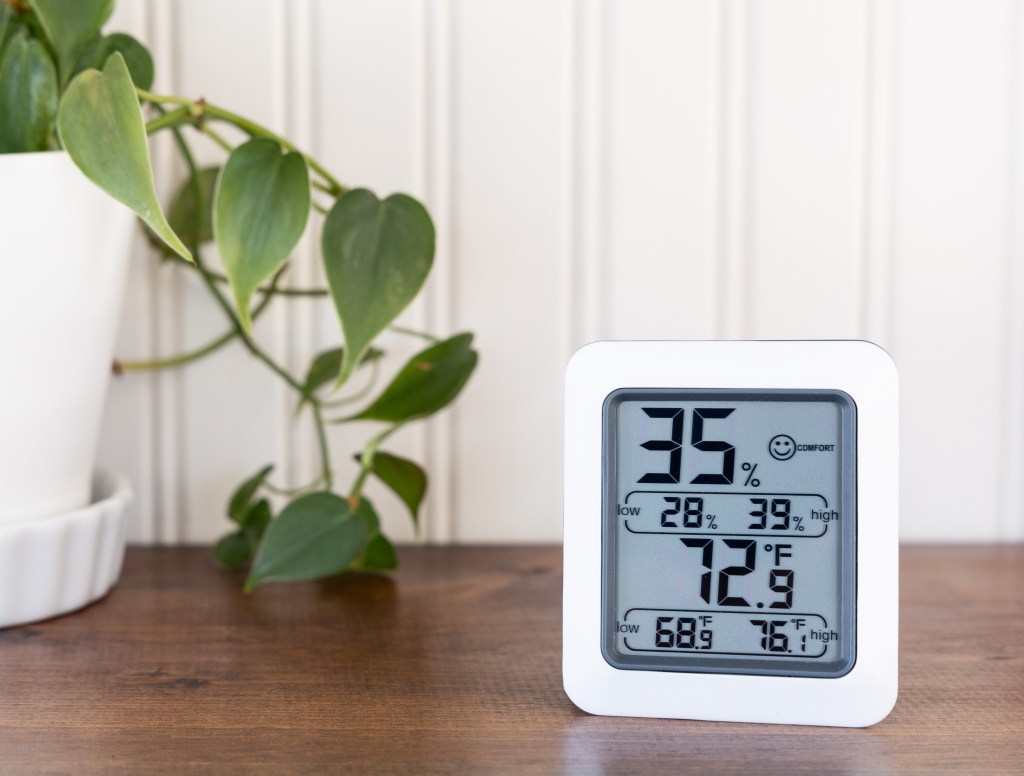
Maintaining proper humidity levels is crucial for the preservation of collectibles, particularly those that are paper-based. Keeping relative humidity between 40% and 50% significantly reduces the risk of fungal growth, ensuring the longevity and integrity of valuable items
Temperature and humidity control
For optimal preservation of collectibles, it is recommended to store them at a temperature between 60°F and 72°F. This temperature range helps maintain the structural integrity and quality of the materials used in collectibles, preventing deterioration over time.
Mold growth is likely when relative humidity exceeds 70% for several days. Humidity levels above this threshold can lead to mold growth and other types of damage, compromising the quality of the stored items. In particular, relative humidity above 70% poses a significant risk, as it can promote and sustain mold growth. This creates an environment that is conducive to degradation, making humidity control a critical aspect of managing a collection.
Monitoring humidity levels
Hydrometers are valuable tools for effectively monitoring humidity levels. The United States Environmental Protection Agency (EPA) recommends maintaining indoor relative humidity levels below 60% for mold prevention. These inexpensive devices can help ensure that storage areas maintain the appropriate humidity for preserving collectibles. Additionally, silica gel packets can be used in containers to absorb excess moisture and further help control humidity.
Enhancing air circulation
Enhancing air circulation in storage spaces is another key strategy. Poor air circulation can lead to mold growth, especially when combined with high humidity and low temperatures. Ensuring proper air flow can help mitigate these risks and protect valuable collections.
Storage Mistakes That Encourage Mold Growth
Mold can pose a significant threat to valuable collectibles and other items stored in less-than-ideal conditions. Understanding common storage mistakes is essential for preventing moisture accumulation and ensuring the longevity of your belongings. Here are some key points to consider for effective mold prevention in storage.
Common mistakes in storage
When storing items, certain practices can inadvertently promote mold growth. Being aware of these mistakes can help prevent moisture-related issues that may damage your collectibles.
- Materials: Avoid using cardboard boxes for long-term storage as they retain moisture. Additionally, opting for non-breathable containers can trap moisture around your items, further exacerbating the problem. Avoid plastic bags, which can encourage further mold growth.
- Placement: Avoid placing items next to poorly insulated exterior walls, as this can lead to moisture accumulation. Furthermore, keeping collectibles at least four inches above the floor helps avoid dampness that can seep up from surfaces. Ensure that the room where you store your collection has increased air circulation to avoid new mold growth.
- Cleaning: A clean storage area is essential for mold prevention. Dust and dirt not only obscure items but can also provide nutrients for mold growth. Regularly cleaning and organizing storage spaces helps mitigate the risk of mold, ensuring your collectibles remain in pristine condition.
Safe Storage Solutions for Mold Prevention
Proper archival storage is essential for preserving collectibles and minimizing the risk of mold and damage. Utilizing specialized materials and techniques can significantly enhance the longevity of your cherished items.
Safe storage practices
- Materials for Safe Storage: Using archival-grade storage materials is crucial for preventing chemical degradation. Acid-free and lignin-free materials help ensure that collectibles remain in pristine condition, safeguarding them against the harmful effects of acidity and other chemical reactions. Store collectibles in breathable containers to avoid trapping moisture, especially for textiles and paper items.
- Cleaning Strategies: Regular maintenance of storage areas is vital for keeping items safe from dust and contaminants. Use soft, clean microfiber cloths or soft-bristled brushes for dusting collectibles. Cleaning with a lint-free cloth or a HEPA-filtered vacuum can effectively eliminate potential mold spores and dirt. For items with visible mold growth, using a vacuum with a HEPA filter is the most effective way to ensure thorough cleaning without spreading spores.
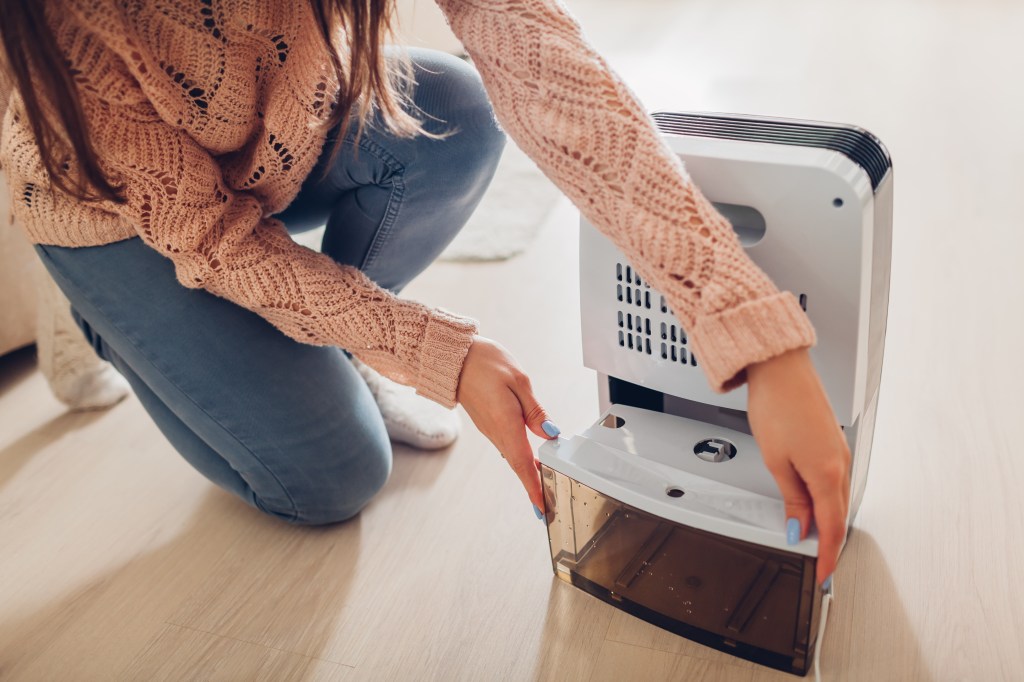
- Humidity Control: Humidity levels play a significant role in preserving paper-based collections. Maintaining indoor relative humidity below 60% is essential for long-term preservation, while an ideal range of 30-50% relative humidity can effectively prevent mold and fungal growth. Use desiccants, such as silica gel, to help absorb excess moisture in safes or storage bins.
- Handling New Acquisitions: New acquisitions pose a unique challenge to existing collections. It is crucial to quarantine and inspect these items for mold before integrating them into a collection. By taking this precaution, you can prevent the potential spread of mold spores and ensure the health of your entire archive.
What to Do If Mold Is Discovered
Professional mold remediation vendors can assist institutions with recovery from mold outbreaks, especially in cases of hazardous mold or extensive contamination.
Importance of immediate isolation
Isolating affected items immediately is critical in preventing cross-contamination during mold outbreaks. This initial step helps to minimize the spread of mold spores to uncontaminated areas, safeguarding the integrity of other items in your collection. The first phase in responding to a mold bloom involves an in-house assessment to determine if the observed growth is indeed mold. Proper identification is essential, as misdiagnosis can lead to inappropriate handling or cleaning methods.
Proper personal protective equipment
When dealing with moldy items, safety should be a top priority. Always use personal protective equipment (PPE) if you are handling contaminated objects. It is advisable to wear gloves and an N95 mask to mitigate health risks. Using a vacuum cleaner that is equipped with a HEPA filter is recommended for removing visible mold growth from objects. If mold is actively growing, it must first be contained and deactivated to prevent further damage before any cleaning can take place.
Heritage collections and fungicide use
Consulting a conservator is always recommended when dealing with mold in cultural heritage collections. For heritage collections, the use of fungicides and fungistats is no longer advisable due to concerns over their toxicity and the potential long-term effects on the materials. This shift emphasizes the need for safer, alternative methods of mold remediation.
Mold removal techniques
The amount of outside assistance required for mold remediation depends on the extent of the outbreak and the type of material affected. Freezing is an effective method to halt active mold growth on many water-damaged or moldy items. However, it is important to recognize that freezing may not be suitable for all types of objects. Cleaning methods should be selectively applied based on the material type and the extent of mold contamination present.
Consulting professionals
It is strongly recommended to consult a conservator before cleaning valuable or fragile items affected by mold. Professional mold remediation services can be indispensable for institutions facing significant contamination or hazardous mold. Additionally, when items may be exposed to water contaminated with sewage or other biological agents, seeking expert assistance is crucial for ensuring proper recovery and treatment.
Long-Term Strategies for Fungus-Free Collections
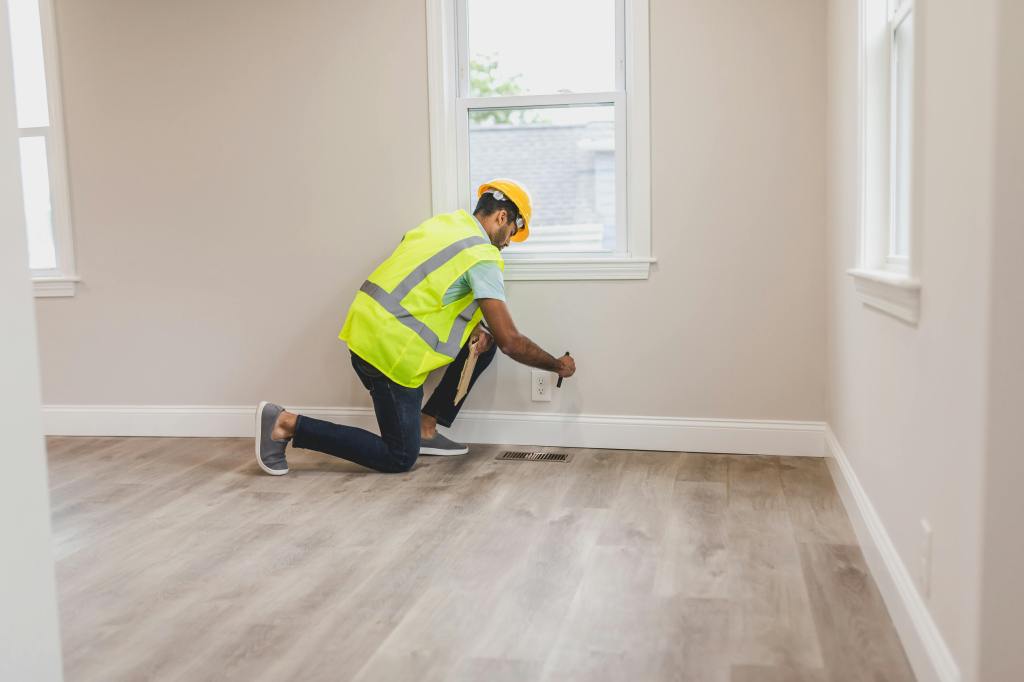
Routine inspections play a crucial role in maintaining the stability of collections over time. By regularly checking the condition of items and their surroundings, we can identify potential risks before they escalate into serious issues.
Proactive environmental management
Implementing seasonal humidity checks and proactive environmental management strategies is key to mold prevention. Keeping collection rooms climate-controlled and protected from fungi is essential for safeguarding valuable items. By focusing on prevention rather than remediation, institutions can significantly reduce the risk of mold growth in their collections.
Regular environmental monitoring
Regular environmental monitoring is vital for preventing mold growth, particularly after cleaning efforts. It is important to check for roof leaks and assess the surrounding environment, as well as to inspect air conditioners and HVAC system components. Ensuring good air circulation by increasing airflow and utilizing HEPA-filtered air purifiers can effectively remove airborne spores that contribute to mold development.
Post-outbreak monitoring
After a mold outbreak, it is essential to closely monitor conditions in the affected area to prevent recurrence. Addressing mold during its early stages involves removing moldy materials and adhering to safety protocols, such as wearing personal protective equipment (PPE). Using high-efficiency particulate air (HEPA) filters can further help prevent future mold growth.
Cleaning inactive mold is a critical step to reduce the likelihood of future outbreaks and make items safer to handle. By properly addressing mold issues and implementing thorough cleaning procedures, organizations can create a safer environment for both collections and their handlers.
Why Mold Prevention Is an Ongoing Process
Environmental conditions fluctuate throughout the year, impacting the health and safety of valuable collections. Continuous monitoring is essential to ensure that items are protected against adverse effects from temperature and humidity changes. Implementing effective management strategies can safeguard collectibles from harmful mold growth.
Preventing mold
To prevent mold growth, it’s important to create and follow a comprehensive plan. This involves cleaning mold when necessary, consulting professionals, and avoiding direct contact with it. Proactive measures can reduce mold-related damage. Store items in a humidity-controlled room, away from exterior walls, and regularly monitor humidity levels, as high humidity can lead to mold outbreaks and threaten your collection.
HVAC/air conditioning maintenance
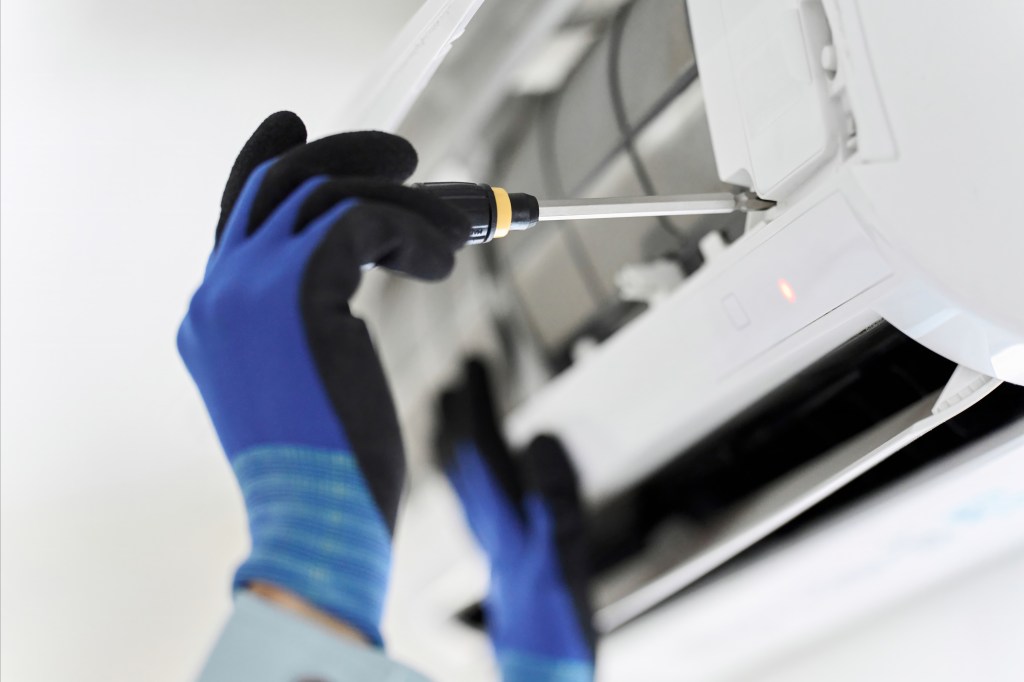
Inspecting and maintaining HVAC systems is integral to ensuring a safe environment for collections. Cleaning air ducts and circulating air helps to prevent stagnant conditions where mold thrives. A well-functioning HVAC system can effectively regulate temperature and humidity, providing a stable environment for collectibles.
Continuous effort
Mold prevention is an ongoing effort that adapts to changing environmental conditions. Regular assessments and updated strategies ensure the protection of cherished items for future generations. Library, cultural, and museum collections often use integrated pest management to control pests and maintain a stable environment that prevents mold growth. These proactive measures help preserve valuable items for the long term.
This article is intended for informational purposes only. Collectibles Insurance Services, LLC, its parents, affiliates, and anyone connected with them are not responsible or liable in any way for your use of the information contained in or linked to from this article. Reliance on the information provided in this article is solely at your own risk. If you have questions about any of the topics addressed in the article, please contact a subject-matter expert.
FAQ
What humidity levels are most likely to cause mold growth on collectibles?
Mold risk rises any time relative humidity stays high long enough for spores to activate. As a practical guideline, collectors generally try to keep storage areas below 60% RH, because prolonged humidity above that level can increase mold likelihood. Risk becomes much higher when humidity sits around 70% RH (or higher) for multiple days, especially in warm, poorly ventilated spaces. For most mixed collections, aiming for a stable 40–50% RH is a common prevention target, but the best range can vary by material and location—so monitoring with a hygrometer is key.
Can mold spread from one item to an entire collection if left untreated?
Yes. Mold spreads through spores, and those spores can transfer to nearby items through air movement, contact, and shared storage materials (boxes, sleeves, shelves). If the underlying moisture problem isn’t addressed, one affected item can become a “spore source” that increases the chance of growth elsewhere—especially in enclosed spaces like closets, cabinets, safes, and sealed bins. That’s why the first steps are usually isolation of affected items and humidity control, before any cleaning attempts.
When should a collector seek professional help for mold-damaged items?
Consider professional help when:
- The item is valuable, rare, or fragile (paper archives, photos, fine art, textiles, signed memorabilia) and you don’t want to risk irreversible damage with DIY cleaning
- You see active, widespread growth (fuzzy patches, heavy spotting, strong musty odor) or contamination across multiple items/storage areas
- There’s been water intrusion (leaks, flooding, firefighting water) or any suspicion of contaminated water exposure
- Anyone handling the items has health sensitivities, asthma, allergies, or is immunocompromised
- The storage space itself likely needs remediation (recurring humidity issues, hidden leaks, HVAC problems)
In those cases, a conservator or qualified remediation professional can help stabilize the situation and recommend material-appropriate treatment methods.
Sources
https://www.biblio.com/book-collecting/care-preservation/prevent-remove-mold-mildew/
https://www.polygongroup.com/en-US/blog/preventing-mold-in-your-safe/
https://evoretro.ca/blogs/news/protecting-your-card-collection-the-complete-guide-to-moisture-control
https://stellaartconservation.com/how-to-save-your-art-from-mold/
https://conservators.byu.edu/dealing-with-mold-in-your-collections
https://www.worthpoint.com/articles/collectibles/mold-mildew-more-health-tips-for-pickers-and-collectors
https://www.reddit.com/r/hottoys/comments/q9627p/protecting_collection_from_moldmildew/
https://yourmoldsolutions.com/blog/prevent-mold-wine-cellar-storage/
https://ccaha.org/resources/managing-mold-infestation-guidelines-disaster-response
https://www.nedcc.org/free-resources/preservation-leaflets/3.-emergency-management/3.8-emergency-salvage-of-moldy-books-and-paper
https://preservation.library.harvard.edu/managing-mold-contamination
https://www.canada.ca/en/conservation-institute/services/conservation-preservation-publications/technical-bulletins/mould-prevention-collection-recovery.html
https://www.epa.gov/mold/brief-guide-mold-moisture-and-your-home
https://moldhelpforyou.com/active-mold-inactive-mold/
About Collectibles Insurance Services
Collectibles Insurance Services has been protecting collections since 1966 and all coverage is provided by a carrier with a group rating of “A” (Excellent) by AM Best, the leading rating agency for the insurance industry.
Comprehensive coverage includes, but is not limited to: accidental breakage, burglary, fire, flood, loss in the mail, theft, natural disasters, and other causes of loss unless specifically excluded from the policy. Deductibles start at $0 for collector policies and we provide coverage for the market value of your collection for losses in excess of $50.
Additionally the protection extends At home and away, and we don't require collection itemization and serial number nor extensive paperwork and red tape.