
Guidelines for Loaning Collectibles to Museums: What You Should Know
Guidelines for Loaning Collectibles to Museums: What You Should Know
Discover essential guidelines for loaning your collectibles to museums. Learn what to consider and ensure a smooth process. Read more for valuable insights!
Loaning Collectibles to Museums: Prestige Meets Practical Risk
Loaning your collectibles to a museum can be an exciting opportunity that allows you to share your prized pieces with the public which enhances the provenance and historical significance of your collection. Museums are cultural institutions that provide a platform for your items to be appreciated and studied, often accompanied by valuable scholarly insight that deepens your understanding of their context.
However, entrusting your valuable collection to a museum also comes with inherent risks, making it crucial to have a clear insurance strategy in place before any exhibition begins. This guide offers essential guidelines for collectors considering loaning their items, but it’s always advisable to consult a subject matter expert for tailored advice specific to your collection and circumstances.
Understanding Museum Loan Agreements
Loan agreements are documents that define the responsibilities and expectations between lenders and museums. They ensure both parties are aligned on key areas such as security, environmental controls, handling procedures, and liability.
Key components of loan agreements
A loan agreement for museums should be in writing and comply with the relevant state laws. Key elements to include are the loan period, terms, display requirements, early termination provisions, and packing and shipping terms, usually determined by the lender and covered by the museum. If collectors want public recognition, their specific naming requirements should also be stated in the agreement.
Role of condition reports
Before lending valuable artwork, collectors are advised to obtain a condition report. This crucial document provides a detailed account of the piece’s physical appearance, safeguarding the lender’s interests and ensuring the artwork is returned in its original state. Accurate reports serve as a reference point to address any potential discrepancies upon the artwork’s return.
Provisions regarding sale and transfer
Loan agreements are explicit regarding the ownership of the works on loan. They typically state that the artwork is not available for sale and that the borrower has no right to sell or transfer legal title. It’s important to notify the museum if legal title to the material on loan has changed due to a sale, gift, or bequest. Clarifying this point helps maintain the integrity of ownership and ensures that the lender’s rights are respected throughout the loan.
Importance of due diligence
Due diligence is a paramount responsibility for both collectors and museums. Collectors should practice due diligence on the museum requesting the loan before committing to ensure its financial health and reputation. Additionally, collectors should read each clause of the agreement thoroughly to ensure that the terms match the institution’s capabilities. Consulting legal advisors to determine the most protective jurisdiction for the agreement can also mitigate potential risks.
Condition Reports: Your Best Protection Before and After the Loan
Condition reports are essential documents used to manage artworks and artifacts in museum settings. They provide a comprehensive overview of an item’s physical state, helping to ensure proper care and documentation throughout its time in custody.
What is a condition report?
A condition report is a detailed account of an item’s condition, documenting it through written descriptions and photographs. This report becomes a valuable reference for tracking any changes that may occur during the display or loan process. Collectors should obtain multiple condition reports detailing a work’s physical appearance at each stage of the museum’s use.
Condition assessment before loaning
Before an item is loaned to a museum, a thorough condition report is prepared. This initial report captures critical information about the piece’s physical condition, including any scratches, wear, repairs, and potential vulnerabilities. Creating this report before the item enters museum custody is crucial for establishing a baseline for future assessments.
Monitoring condition during the loan
During the loan period, further condition assessments are conducted. This includes generating reports during the delivery and installation of the item. Both written notes and photographs are taken to capture the condition of the piece throughout its exhibition, ensuring any changes or issues are documented promptly.
Post-loan condition report
After the item completes its loan period, a post-condition report is generated, similar to the initial assessment. This report details the item’s current physical condition and confirms whether any damage occurred during the loan period. It includes observations of new scratches, wear, or repairs, providing a comprehensive overview of how the item has fared while on display.
Insurance Basics: Who Covers What During the Loan?
Many museums operate under specific insurance coverage designed to protect items in their care. Known as “wall-to-wall” or “nail-to-nail” coverage, these policies generally protect artworks and collectibles from the moment they are picked up until they are safely returned to the owner. However, it’s vital for collectors to understand the nuances of these policies before loaning their items.
Understanding coverage terms
When entering a loan agreement with a museum, collectors should verify the exclusions and limitations of the museum’s insurance policy to ensure it covers the item’s true value. Key steps include conducting due diligence on the museum, securing “nail-to-nail” insurance, drafting a detailed loan agreement, and arranging professional transport. This proactive approach helps prevent disputes or financial losses during the loan period.
Insurer verification
Collectors are advised to request a certificate of insurance from the museum. Also, collectors should consult their own fine art insurance agent to review this document before proceeding with the loan. This extra layer of verification ensures that collectors are fully aware of the coverage provided and can rest assured that their items are protected.
Museum insurance coverage
Museum insurance policies typically include both property and liability coverage to safeguard a museum’s collection. Crucially, these policies can extend to cover items on loan, providing additional peace of mind for collectors.
Importance of clear communication
It is essential that loan agreements stipulate that collectors receive timely notice of any changes to the museum’s property and casualty insurance coverage. Clear communication about shifts in insurance policies can protect the interests of both the museum and the collectors involved.
Transit Risks: The Most Dangerous Part of the Journey
Transporting art can pose significant risks that require careful attention and planning. Factors such as vibration, handling errors, temperature shifts, and accidental drops can threaten the integrity of valuable pieces. Understanding insurance options and museum policies is essential for art collectors and lenders to mitigate these risks effectively.
Specialized transit insurance
Transporting art poses various risks, and specialized transit insurance plays a crucial role in mitigating these hazards. Professional art shippers can help reduce risk during handling, but it’s essential to confirm any necessary insurance in advance. Consulting your insurance company to identify potential coverage gaps and the need for specialized transit insurance can provide additional protection against potential damage during transit.
Shipping and lending to museums
Every museum may have different protocols in place for shipping and transit, and not all follow the same procedures. It is imperative that anyone lending their collection confirm the museum’s specific shipping protocols in advance. This ensures that both the lender and the museum comply with required practices for the safe handling of artworks.
Claims due to damaged art
Handling and shipping mishaps are the leading causes of insurance claims for damaged works of art, accounting for nearly 60% of all claims filed. Given that transit presents the highest risks, it’s crucial for art collectors and institutions to be aware of these statistics. Taking proactive measures by securing specialized insurance can help alleviate potential financial losses resulting from damage during transport.
Museum custody and care measures
Art collectors should proactively communicate with museums to understand their protocols for packing and shipping artworks. Questions regarding special travel requirements and exhibition schedules are essential for ensuring the safety and integrity of the pieces involved. Additionally, understanding whether an exhibit is part of a traveling tour can help collectors stay informed about the ongoing movement of their works and any associated risks.

Climate and Environmental Requirements
When lending valuable collections to museums, it is crucial to understand the importance of climate control and environmental requirements. Most museums typically adhere to strict standards to ensure the preservation of their exhibits and stored items. This commitment to maintaining optimal conditions helps safeguard the integrity of artworks and artifacts during both display and storage.
Museum conservation standards
Museums maintain strict climate standards that include a stable temperature, controlled humidity, filtered lighting, and minimal UV exposure. The recognized standard for relative humidity is approximately 50%, maintained at a temperature of 68 degrees Fahrenheit. These conditions are vital because humidity fluctuations can lead to mold growth, while temperature variations can cause significant damage to artwork and collections.
Protecting your art collection on loan
When loaning your art collection to a museum, ensure it will be displayed and stored according to preservation guidelines to maintain integrity. Museums should guarantee adherence to conservation best practices to prevent damage and uphold quality. Key benefits for collectors include professional preservation and enhanced market value.
Security: What Museums Must Provide
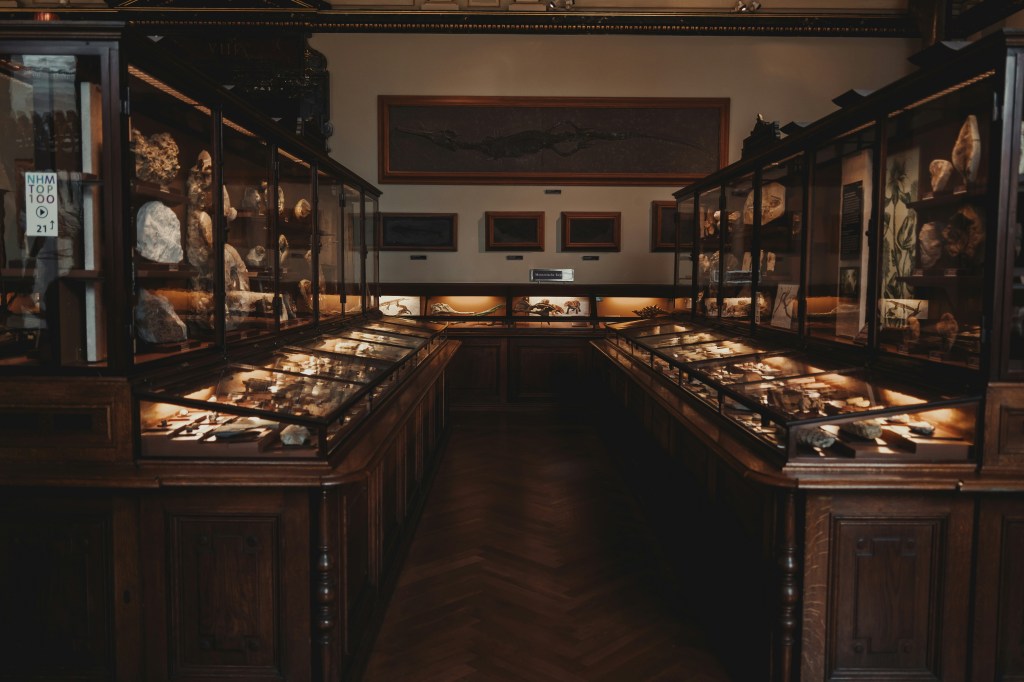
Protecting valuable artifacts and exhibits is a crucial aspect of museum operations. Implementing robust security measures helps preserve cultural heritage while offering visitors a safe and enjoyable experience. This overview outlines essential security requirements and risk management strategies tailored for museums.
Security measures
To effectively safeguard collections, museums adopt a multi-faceted approach to security. Essential measures include a combination of surveillance systems, trained museum staff, alarms, controlled access storage rooms, and trained security staff. These elements work together to create a secure environment that minimizes the risks of theft or damage.
Safeguards for high-value items
While standard security protocols are vital, certain high-value items necessitate additional precautions. For instance, artifacts and artworks of significant monetary value may require secure display cases to deter unauthorized access. Furthermore, integrating motion sensors can enhance security by promptly alerting staff to any unusual activity around these priceless items.
Indemnity Programs: When Governments Step In
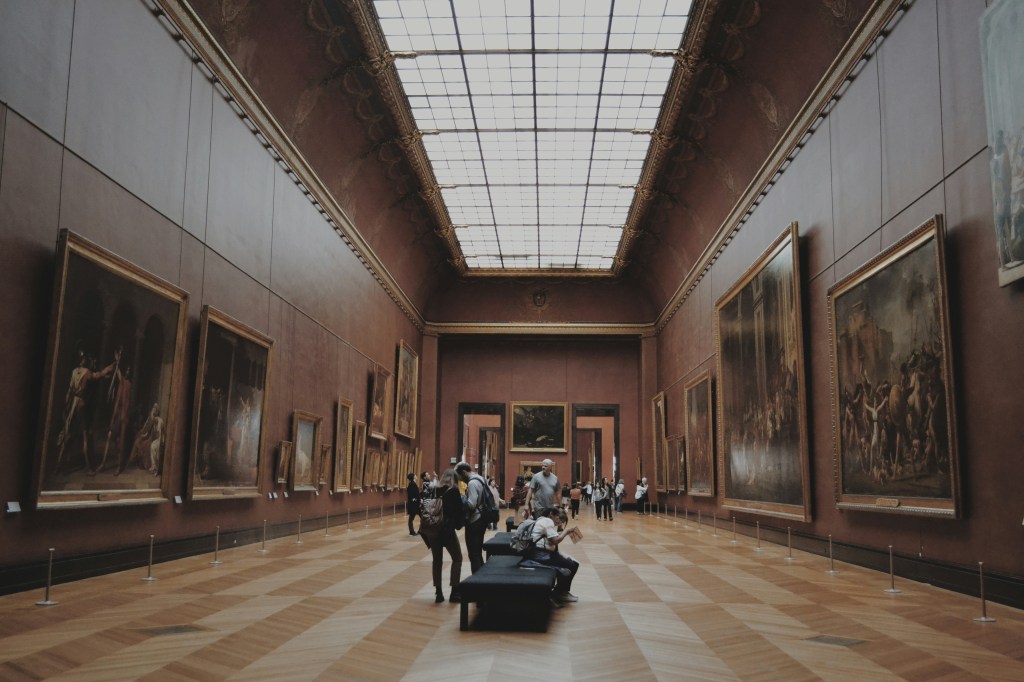
Some countries offer government-backed indemnity programs that insure high-value loans for major exhibitions. These programs reduce museum costs while offering strong financial protection for lenders.
U.S. Art & Artifacts Indemnity Program
In the United States, the U.S. Art & Artifacts Indemnity Program protects artworks during museum exhibitions. This program offers insurance coverage for artworks loaned from both international and domestic collections, providing indemnification against loss or damage for eligible objects in exhibitions. It serves as a crucial resource for institutions looking to present significant art pieces without the financial risks typically associated with such endeavors.
Domestic eligibility and coverage
Under the Arts and Artifacts Indemnity Act, specific criteria outline the domestic eligibility for indemnity agreements. The Act allows the Federal Council to enter into agreements with U.S. nonprofit and governmental organizations for eligible pieces held in public and private collections. For an exhibition to qualify, the total value of U.S. loans must exceed $75 million, excluding items owned by the participating venue. Remarkably, this program permits coverage for a single exhibition to reach up to $1 billion, demonstrating the extensive financial support available to museums.
International loans
The Arts and Artifacts Indemnity Act also extends its coverage to international exhibitions. This includes agreements for eligible art and objects from outside the U.S. displayed domestically, as well as those from the U.S. showcased abroad. The program encourages the exchange of exhibitions by providing comprehensive coverage, thus facilitating cultural collaboration and showcasing a wider array of artworks.
Considerations for lenders
While museum indemnity programs are helpful, lenders should still assess their own insurance. Personal coverage offers extra protection, ensuring collectors can safeguard their investments. Even with museum coverage, a separate policy protects against unforeseen issues. Additionally, some states impose a “use tax” for displayed items, and the IRS does not allow tax deductions for loans, only for donations.
Your Own Policy: Why Personal Coverage Still Matters
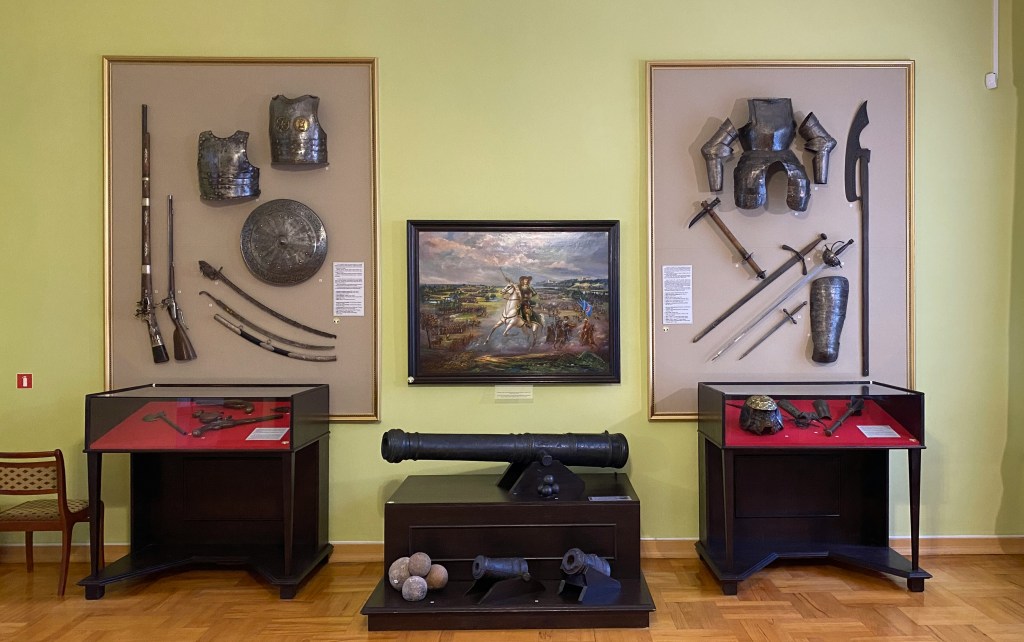
When it comes to protecting valuable artworks and artifacts, proper insurance is essential, especially when these items are loaned to museums or other institutions. This protection helps ensure that collectors can safeguard their investments while minimizing financial risks associated unique risks.
Insurance for loaned collections
Many collectors choose personal insurance policies for extra protection, even if a museum covers their loan. These policies address gaps in museum coverage and provide safeguards for items not included in standard policies.
Consulting experts for tailored guidance
Consulting experts and your insurance agent is essential for obtaining the right coverage for your collection. Their insights can help create customized insurance solutions to protect against various risks.
Returning Home: Post-Exhibition Checks and Documentation
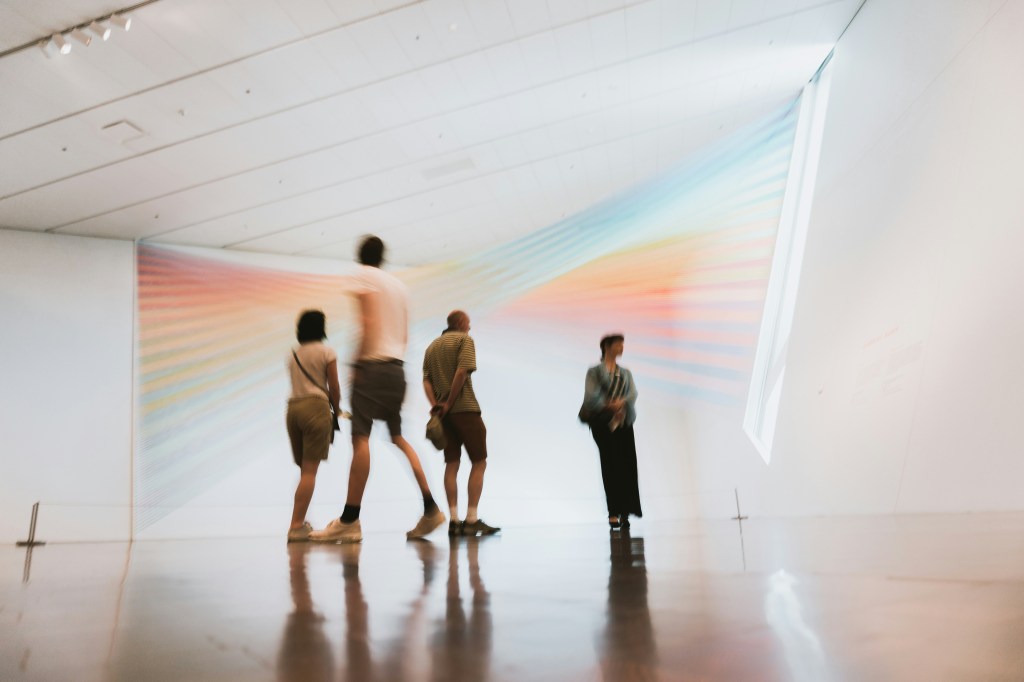
After the exhibition, it is essential to thoroughly inspect your item, using the original condition report as a reference. This careful examination allows you to document any concerns that may have arisen during the exhibition, ensuring that any issues are addressed promptly.
Should you notice any discrepancies or damage, notify both the museum and your insurer immediately to facilitate a smooth resolution. This process protects your item while ensuring clear communication on condition reports for loans, conservation during exhibitions, and risk management strategies.
Lending as Part of an Estate or Legacy Plan
Collectors play a vital role in the art world, particularly when lending pieces to museums. Establishing long-term relationships between museums and collectors enhances experiences, legacies, and appreciation of art history.
Lending art to museums
It is highly advisable for collectors to lend artworks primarily to well-known museums with excellent reputations. Such institutions are equipped to provide specialized care for the artworks and contribute to their overall prestige. Loaning to reputable museums can significantly enhance an item’s market value, making it a strategic choice for collectors.
Benefits of lending artworks
Lending artworks to museums offers numerous advantages for collectors. Beyond financial implications, such as increased market value, collectors gain social capital and educational support within the art community. This elevated status can open doors to exclusive events and networking opportunities, allowing collectors to engage with fellow enthusiasts and professionals in the field.
Private collector loan policies
To facilitate the lending of artworks for exhibitions, collectors should consider networking with museum staff. Building relationships with curators and directors can simplify the loan process and lead to mutually beneficial arrangements. Actively engaging with museum professionals can help collectors navigate the complexities of lending and ensure their artworks are showcased effectively and responsibly.
Estate planning for collections
Establishing clear loan terms ensures proper stewardship of heirlooms and can facilitate future donations or bequests. Collectors should consult with estate attorneys for guidance on planning to gift collections as part of a legacy plan or estate.
This article is intended for informational purposes only. Collectibles Insurance Services, LLC, its parents, affiliates, and anyone connected with them are not responsible or liable in any way for your use of the information contained in or linked to from this article. Reliance on the information provided in this article is solely at your own risk. If you have questions about any of the topics addressed in the article, please contact a subject-matter expert.
FAQ
What does “nail-to-nail” insurance actually cover when loaning items to a museum?
“Nail-to-nail” (often also called “wall-to-wall”) coverage is intended to protect your item for the full loan journey—typically starting when the piece is picked up from you (or removed from its normal location), continuing through packing, transit, unpacking, installation, time on display, de-installation, repacking, and ending when it’s safely returned to you. The big thing to confirm is the exact trigger points (“from when to when”), the insured value basis (agreed value vs. something else), deductible, and any exclusions (common ones can include wear/tear, gradual deterioration, inherent vice, or conditions caused by pre-existing damage). Always ask for a Certificate of Insurance (COI) and make sure the loan agreement matches what the COI actually says.
Should collectors maintain their own insurance even when a museum provides coverage?
Often, yes—at least consider it. Museum coverage can be strong, but collectors keep their own policy to protect against gaps and friction points, such as value disputes, exclusions you didn’t expect, high deductibles, limits that don’t match your item’s true replacement/market value, or coverage that changes mid-loan without your awareness. Your own policy can also cover you outside the museum’s custody window (pre-loan staging, temporary storage, or edge cases during transit/handling). If you do carry your own coverage, coordinate it with the museum’s coverage (your broker can help) so you understand which policy is primary, and you avoid unpleasant surprises during a claim.
What environmental or security standards should I confirm before lending my item to an institution?
Ask for the museum’s facility report (or lender packet) and confirm these essentials:
- Climate targets + allowed fluctuation: temperature and relative humidity set points, and how tightly they control swings day-to-day.
- Light management: UV filtration, light level limits (especially for paper, textiles, photos), and whether the object will be in direct light or near windows/fixtures.
- Handling + installation protocols: who handles it, whether trained art/collections staff do the work, and whether you can require a courier or approve methods/materials.
- Packing + transit standards: fine-art shipper, custom crating, climate-controlled vehicles, secure loading, tracking, and who is responsible if a carrier is used.
- Security: alarms, cameras, access-controlled storage, guard presence, secure cases for high-value items, and after-hours procedures.
- Emergency readiness: fire protection approach, water/flood response plan, and what happens in a power outage or building incident.
If the museum can’t clearly explain these (in writing), that’s a sign to slow down and tighten the agreement before you proceed.
Sources
https://riskandinsurance.com/protecting-museums-high-value-world-fine-art/
https://www.wealthmanagement.com/estate-planning/lending-to-museums
https://www.artworkarchive.com/blog/9-things-you-need-to-know-before-you-lend-your-art
https://www.aam-us.org/2025/09/08/ask-the-expert-collections-insurance/
https://www.cinfin.com/cincinnati-insurance-resources/private-client-individuals-families/tips-for-loaning-collections
https://www.chubb.com/cpiebcontent/cpihomepage/pdf/02010424_LoaningtoMuseums.pdf
https://distinguished.com/blog/museum-insurance-protection-for-your-clients-entire-collection
https://www.thehartford.com/business-insurance/museum-insurance-coverage
https://www.ml.com/articles/lending-art-and-collectibles-to-museums.html
https://ccaha.org/resources/preventive-conservation-primer
About Collectibles Insurance Services
Collectibles Insurance Services has been protecting collections since 1966 and all coverage is provided by a carrier with a group rating of “A” (Excellent) by AM Best, the leading rating agency for the insurance industry.
Comprehensive coverage includes, but is not limited to: accidental breakage, burglary, fire, flood, loss in the mail, theft, natural disasters, and other causes of loss unless specifically excluded from the policy. Deductibles start at $0 for collector policies and we provide coverage for the market value of your collection for losses in excess of $50.
Additionally the protection extends At home and away, and we don't require collection itemization and serial number nor extensive paperwork and red tape.