
The Right Humidity for Collectibles: Essential Tips for Preservation
The Right Humidity for Collectibles: Essential Tips for Preservation
Discover the ideal humidity levels for preserving your collectibles and preventing damage. Read on for essential tips to safeguard your treasures.
Right Humidity for Collectibles: Why Moisture Matters More Than You Think
Maintaining the integrity of collectibles and valuable items requires a keen understanding of environmental factors, with humidity being one of the most critical elements. Whether it’s trading cards, vintage textiles, or furniture, the right level of humidity plays an essential role in their preservation. Excessive humidity can lead to mold growth, swelling, and staining, while insufficient humidity can dry out paper, textiles, and wood.
Striking a balance is key. Aiming for stable, moderate temperature and humidity levels that minimizes the need for constant adjustments is crucial for protecting cherished items. This guide examines the significance of humidity control in protecting collections and highlights the potential risks associated with both high and low humidity levels.
Ideal Humidity Ranges: A Collector’s Quick Reference
Maintaining proper humidity helps preserve valuable items, such as paper, artwork, wood, and jewelry, ensuring their longevity and preventing deterioration. The ideal relative humidity (RH) for most collectibles is a stable range of 40-50%.
Paper, photos, and cards
Collectibles such as paper, photos, and trading cards require specific humidity levels to preserve their integrity and prevent deterioration. The Library of Congress recommends maintaining acidic paper, commonly found in comic books, at approximately 35% relative humidity (RH). For photographs, an ideal range of 30-40% RH is recommended, with archival storage potentially lowering humidity to 20-30% in cold environments. Maintaining these levels is essential for ensuring the longevity of these delicate items.
Artwork
Artworks are another category that demands careful attention to humidity. A stable environment with a relative humidity of around 40-60% is most beneficial for preserving various forms of art. For fine art and paintings specifically, it is advised to keep humidity levels between 45-55% RH. This careful balance is crucial in preventing damage such as warping, mold growth, or paint flaking.
Wood
Wooden collectibles, including furniture, demand a slightly broader humidity range to stay in optimal condition. The ideal humidity level for wood furniture ranges from 40% to 60%. Keeping wooden items within this range helps prevent cracking and splitting, preserving their beauty and structural integrity over time.
Jewelry
When it comes to jewelry, particularly pieces made of metals, lower humidity levels are preferable. A humidity range of around 30-45% is ideal for preventing issues such as tarnishing and rust formation. By controlling humidity, jewelry collectors can ensure their precious items retain their luster and are kept in pristine condition.
When You Need a Dehumidifier: Signs of Excess Moisture
Basements and enclosed spaces can be challenging environments for maintaining ideal moisture levels. High humidity can cause problems for collectibles. A dehumidifier helps regulate moisture, prevents mold, and extends the lifespan of your items.
Dehumidifiers for collectibles
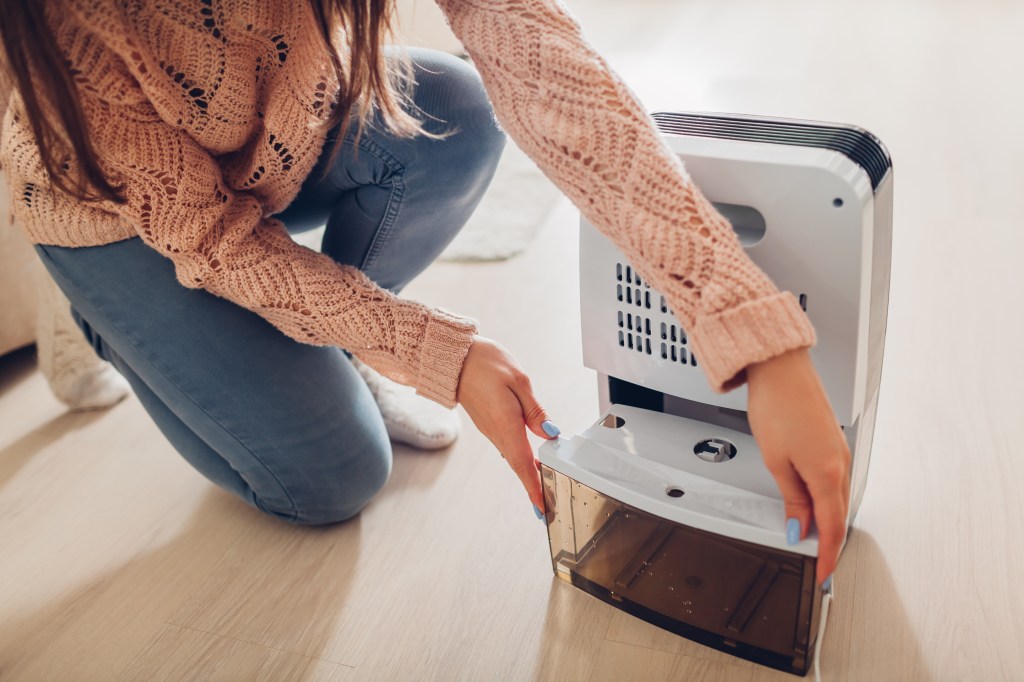
Storing collectibles in basements is often unavoidable, yet these spaces are not ideal due to their tendency to trap humidity. A dehumidifier can significantly mitigate this problem by controlling moisture levels, thus creating a safer environment for your treasured items. This device is particularly beneficial in areas with limited airflow or prone to condensation.
Signs of excessive moisture
Recognizing the signs of excess moisture in your home is crucial for maintaining a healthy living space. Some common indicators include:
- Foggy Windows: This phenomenon occurs when warm, humid air condenses on the cold surface of windows, indicating high indoor humidity levels.
- Mold Growth: Once moisture lingers for extended periods, mold may develop in various colors, such as black or green. This poses health risks and should be addressed promptly.
- Water Stains and Damp Spots: These visible signs are often the first perception of moisture but can stem from multiple sources, including leaks from damaged pipes or windows.
- Musty Smells: A distinct musty odor typically accompanies the presence of mildew or mold. Noticing this scent should prompt a thorough inspection for other moisture-related issues.
- Pest Infestations: An unexpected uptick in pests can signal moisture problems. However, it’s essential to investigate other possible causes before drawing a conclusion.
When a Humidifier Is the Better Choice
Maintaining the right humidity levels is crucial for preserving delicate items in our homes, particularly in dry climates or during winter heating cycles. When humidity drops below 35%, materials such as paper, wood, and textiles become vulnerable to damage, resulting in issues like brittleness, cracking, and shrinkage.
Humidity control in dry climates
In regions with low humidity, it’s essential to understand how dry air can affect organic materials. The recommended humidity levels for mixed collections of artifacts typically range from 30 to 70% relative humidity. Staying within this range is vital for preventing deterioration and extending the lifespan of cherished items.
Humidifiers and climate control
To combat the challenges posed by low humidity, humidifiers serve as a valuable tool for moisture control. They can effectively add necessary moisture to the air, helping to stabilize delicate objects and mitigate the risks associated with extreme dry conditions.
Seasonal humidity changes
Effective humidity management often involves seasonal adjustments. Using an air conditioner in the summer months and a humidifier in the winter can help maintain a favorable atmosphere for collectibles.
Monitoring Your Environment: Tools Every Collector Needs
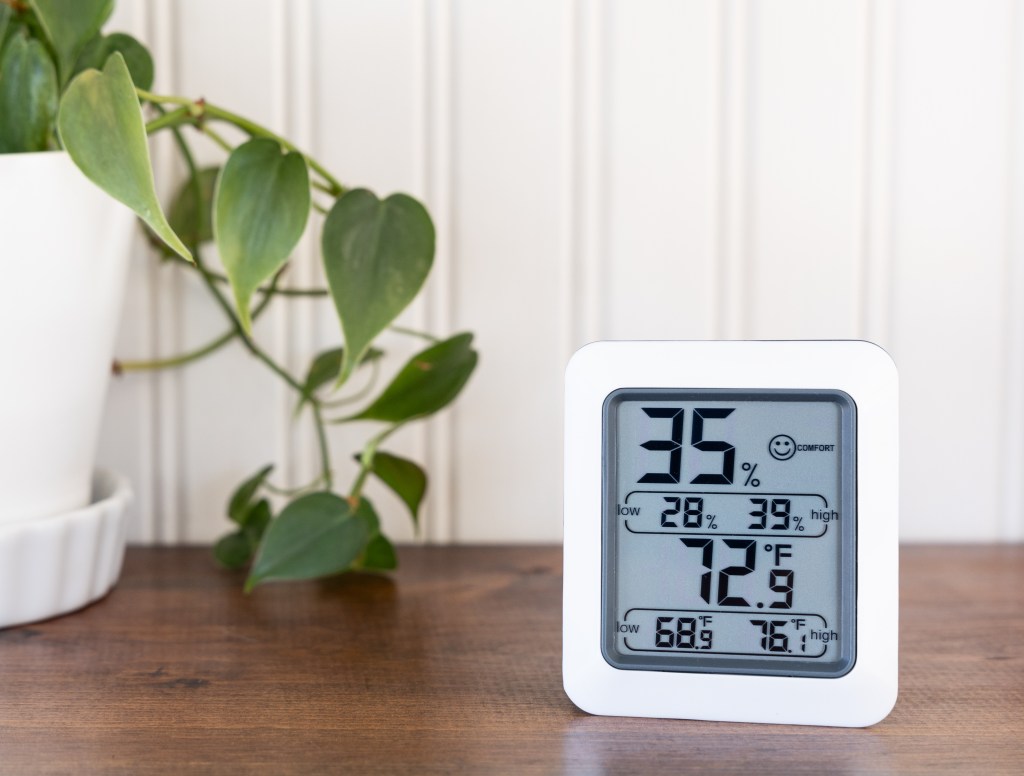
In the world of collectibles, maintaining the right humidity levels is crucial to preserving the integrity and value of your items. A digital hygrometer can serve as an essential tool to alert you to humidity shifts before any damage occurs, ensuring that your treasures remain in optimal condition.
Digital hygrometers
Digital hygrometers are specifically designed to monitor air moisture content and display the percentage on a clear digital screen. Using a hygrometer is essential to monitor and keep the humidity levels consistent within ±3% RH per month. These devices can alert you when humidity levels change, providing an early warning to protect your valuable collections.
Bluetooth-enabled monitors
For those seeking more advanced monitoring solutions, Bluetooth-enabled hygrometers offer a range of functionalities. Many of these devices combine temperature and humidity sensors, enabling collectors to monitor both simultaneously. For instance, in art storage, the ideal temperature for art storage is generally between 65 and 75 degrees Fahrenheit, while the recommended humidity is around 50%, ensuring a stable environment for these sensitive items.
Multi-room sensors
Investing in multi-room sensors can significantly enhance your ability to monitor collections stored in different environments. Although they may require a larger investment, they are invaluable for those who need to maintain specific humidity and temperature levels across various rooms. For example, many experts recommend maintaining tighter control of humidity levels, typically between 50 to 60% relative humidity, for valuable items like paintings and antique furniture, ensuring they are adequately protected in their respective storage spaces.
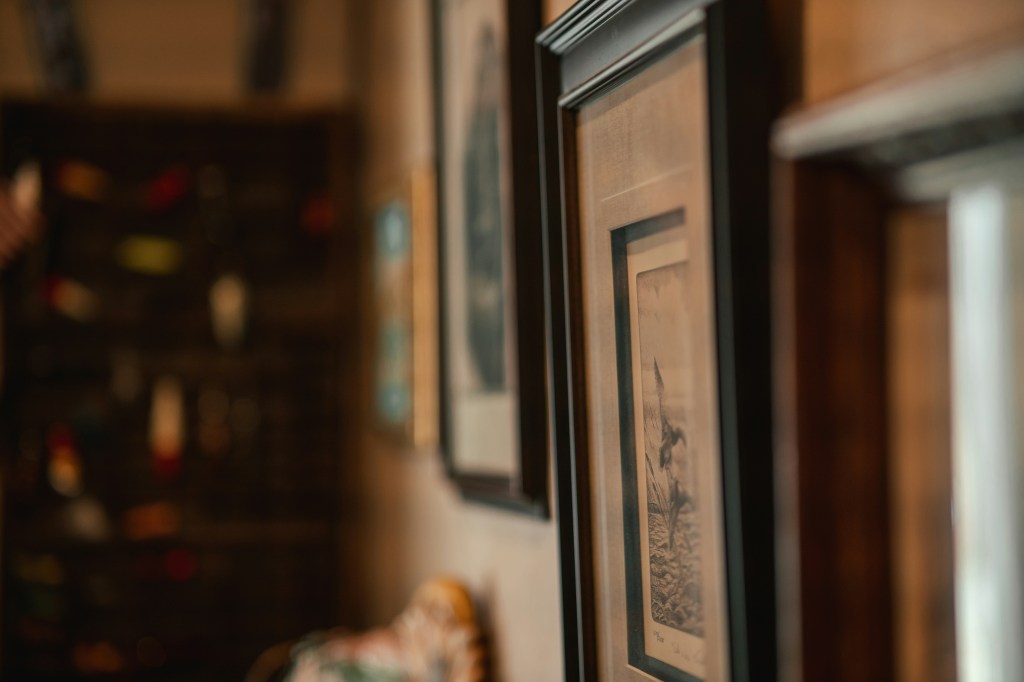
Moisture Control for Trading Cards, Comics, and Paper Goods
Protecting paper-based collections maintains their integrity and longevity. Humidity swings can lead to significant damage, making it crucial to keep these items in stable environmental conditions. Understanding how to manage humidity and storage can drastically reduce the risk of moisture damage.
Optimum temperature and humidity levels
The ideal humidity level for preserving paper-based items falls between 45-55% relative humidity, while the temperature should be maintained between 68-72°F. These parameters help prevent warping and deterioration of your precious items, making it important to monitor the conditions in which your collection is stored.
Ideal storage environment
Where you choose to store your paper products plays a vital role in its preservation. Avoid placing items on concrete floors, HVAC systems, or against exterior walls, as these areas are prone to temperature and humidity fluctuations. Basements, attics, and garages should also be avoided due to their lack of airflow and susceptibility to moisture accumulation.
Strategies for humidity control
Depending on your geographic location, specific practices may be more or less effective. For those living in humid climates, using air conditioning can help regulate temperature, while investing in a dehumidifier is beneficial for maintaining proper humidity levels. Additionally, moisture-absorbing products like silica gel can assist in controlling humidity. Using silica gel or other humidity buffering products can help absorb excess moisture in storage cases.
Storage materials
To maximize the protection of your collection, items should be kept in acid-free sleeves or graded cases and stored vertically. It is equally important to steer clear of areas near plumbing or foundation walls. Finally, protect your items from direct sunlight, as UV light can cause color fading and yellowing of paper over time, further compromising the quality of your collection.

Preserving Artwork: Balancing Temperature and Humidity
Artworks require stable climates to maintain their integrity and prevent humidity damage. Factors such as temperature and humidity, along with air quality, play a role in preventing issues like canvas stretching, paint cracking, and color fading.
Optimal humidity levels for art
Humidity is a significant concern when it comes to preserving artworks. Elevated humidity can lead to deterioration through physical stress, chemical reactions, and biological growth. For valuable objects like oil paintings and antique furniture, keeping humidity levels tightly controlled between 50% and 60% relative humidity is recommended. It is vital to monitor these levels closely, as high humidity can promote mold growth while low humidity can cause materials to dry out and crack. Ultimately, artworks are particularly susceptible to material degradation by fluctuations in humidity.
Temperature levels for art
While opinions on the ideal temperature for art preservation may vary slightly, there is a general consensus that maintaining temperatures between 65°F and 75°F is advisable for paintings. Consistent monitoring of both temperature and humidity is crucial for creating an optimal environment for artworks, which helps prevent potential damage over time.
Air quality
The quality of indoor air is another essential aspect of art preservation. Pollutants and poor air quality can harm artworks, making it necessary to maintain safe levels of indoor air quality. Regularly replacing HVAC system air filters contributes to good air circulation and helps protect art from airborne contaminants.
Displaying and storing art
When displaying or storing art, it’s important to position pieces away from heat sources, windows, and vents to prevent rapid changes in humidity and temperature. Using UV light-filtering display cases for framed art helps protect the pieces from harmful light exposure and maintains stable environmental conditions. Additionally, climate-controlled display cases are an effective way to monitor these levels.
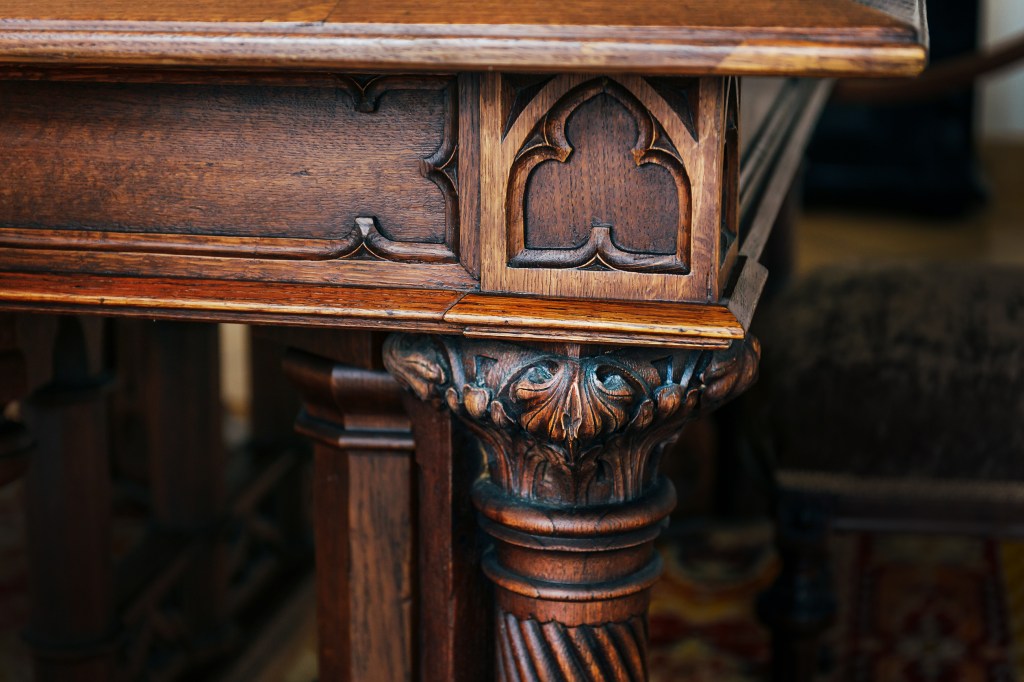
Antique Furniture and Wood Items: Unique Moisture Needs
Wood is a natural material that responds to changes in humidity and temperature. This behavior can lead to various issues if not managed properly, including warping, loosened joints, and cracked veneers. Maintaining the ideal humidity level year-round is crucial for preserving the integrity of your wooden furniture, particularly antiques.
Ideal humidity levels for wood furniture
Maintaining an ideal humidity level of 40% to 60% is crucial for wood items. Similar to artwork, wood furniture requires a delicate balance; excessive moisture leads to expansion and warping, while insufficient humidity can result in contraction, causing splits and cracks. Understanding these thresholds will help protect your furniture from damage.
Controlling humidity
To effectively control humidity levels, consider using humidifiers in dry climates or during winter months to add moisture to the air. Conversely, dehumidifiers can be beneficial in humid conditions to reduce excess moisture. Monitoring these devices will help maintain a stable environment for your wooden furniture.
Placement of furniture
Where you place your furniture significantly impacts its lifespan. It’s best to avoid basements, kitchens, and bathrooms, as these areas often experience dramatic temperature and humidity fluctuations. Additionally, keeping furniture away from light sources and heat sources like radiators or air vents can prevent fading and drying, prolonging its life.
Routine maintenance
Incorporating routine maintenance into your care regimen can help keep your wooden furniture in excellent condition. Regularly applying polishes or wood oils on wood surfaces helps maintain moisture levels and protects against water exposure, which can cause warping and staining.
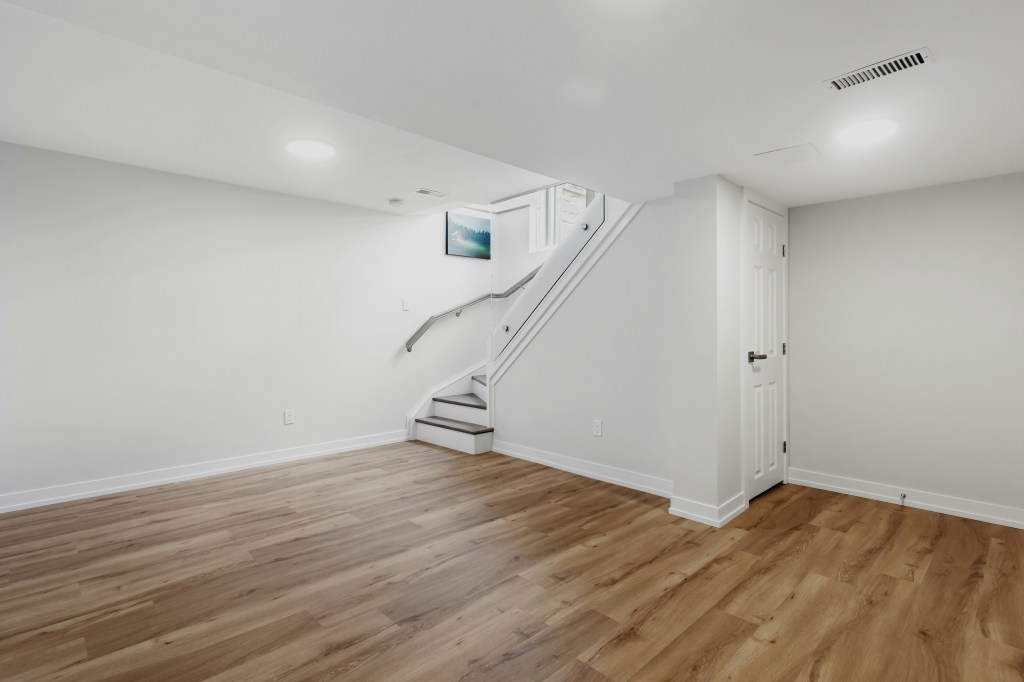
Basement and Storage Room Strategies
Basements can serve as valuable storage and display areas for your collectibles and memorabilia, but they often present unique challenges due to their high-risk environments. With the right precautions, you can create a safer space that protects your cherished items from moisture and humidity.
Enhance airflow and use a dehumidifier
One effective way to protect your items is by improving airflow within your basement. Proper ventilation helps reduce humidity levels and minimizes the risk of mold growth. Consider installing vents, exhaust fans, or even windows that can be opened to allow fresh air to circulate, thus creating a healthier environment for your collection.
Adding a dehumidifier is a smart move for any basement used for storage. A dehumidifier helps to control moisture levels, ensuring that humidity does not reach harmful levels that could damage your collectibles. Regularly monitoring and adjusting the settings will ensure that your items remain in optimal conditions.
Use sealed storage materials
To protect paper goods and other sensitive items, utilizing sealed storage bins is highly recommended. These bins act as a barrier against moisture and pests, keeping your collectibles safe. Ensure that you select high-quality, airtight bins that provide a reliable shield against the potentially harmful environment of the basement.
Install moisture barriers
Another important step in moisture control is the installation of vapor barriers or insulation. These features help reduce moisture intrusion from concrete walls and floors, effectively preventing dampness from affecting your collection. By creating a more stable environment, you can help ensure the longevity of your memorabilia.
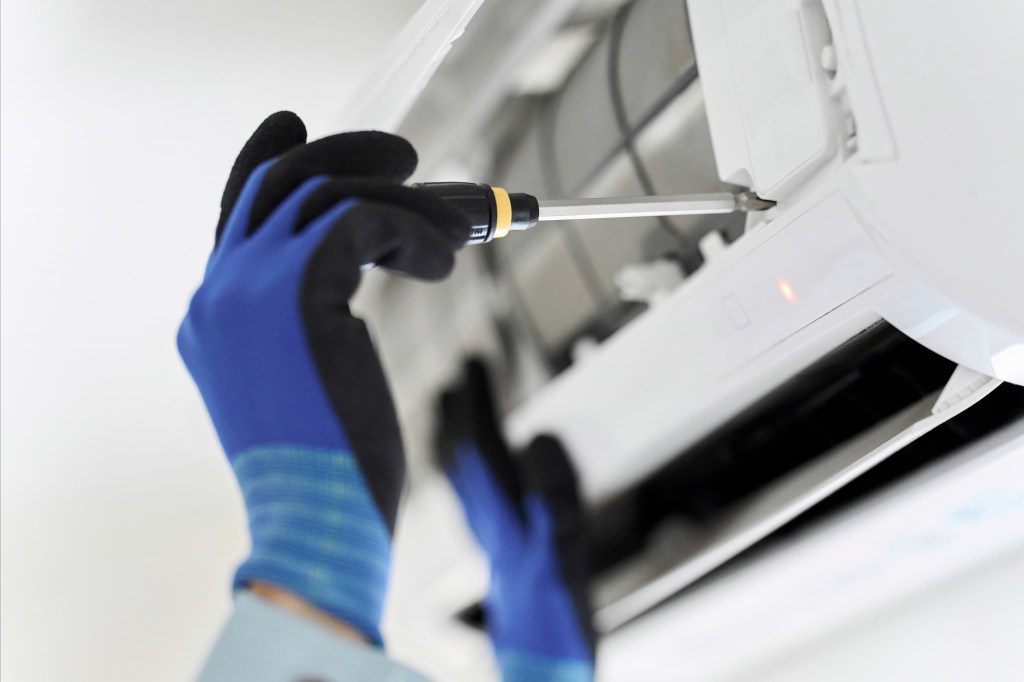
Creating the Right System: Balancing Both Devices
Maintaining the right humidity level maintains home comfort and preserves valuable items. Depending on the season or location, some homes require both humidifiers and dehumidifiers to achieve optimal conditions. Fluctuations can lead to issues like dryness or mold growth, so a stable environment is vital for both residents and their belongings.
- Benefits of Automatic Systems: Automatic humidity control systems offer seamless monitoring and adjustments to maintain ideal conditions. These systems respond to changes in humidity, ensuring a consistently comfortable environment without manual effort.
- Humidifier vs. Dehumidifier for Collections: When preserving collectibles, it’s important to know how humidifiers and dehumidifiers work. Humidifiers add moisture to protect items like wood, while dehumidifiers remove excess moisture to prevent mold, ensuring the longevity of valuable possessions.
- Creating Climate-Stable Storage: For long-term preservation, maintaining a climate-stable storage environment is crucial. Using both devices as needed helps collectors protect their items in optimal conditions, regardless of seasonal changes or external weather.
Long-Term Maintenance and Seasonal Adjustments
Maintaining the efficiency of your devices and protecting your collectibles requires regular attention and care. By routinely checking water tanks, filters, and drainage lines, you can ensure everything operates smoothly, especially during seasonal shifts that pose unique challenges.
Additionally, understanding the environmental risks that collectibles face and monitoring humidity levels will help preserve their condition and value. Taking these proactive steps will safeguard your investments and enhance their longevity.
FAQ
How do I know whether my collectibles need a humidifier or a dehumidifier?
Start with a digital hygrometer in the exact room where the collection lives and watch your readings for at least a week (including day/night and weather changes). If your relative humidity is consistently above ~55%, you’re in “dehumidifier territory” because the risk shifts toward mold, musty odors, swelling, warping, and staining—especially for paper, cards, and textiles. If your humidity is consistently below ~35%, you’re in “humidifier territory” because dry air can make materials brittle (paper), shrink (textiles/leather), or crack/split (wood and veneers). If you’re bouncing between both extremes, the best goal is stability—aim to keep most mixed collections around 40–50% RH, even if that means using different devices in different seasons.
What materials are most sensitive to humidity swings and require the strictest monitoring?
The most humidity-sensitive collectibles are the ones made of organic, layered, or chemically reactive materials. The top “strict monitoring” group includes:
- Paper goods (trading cards, comics, vintage posters, documents): prone to warping, waviness, mold, foxing, and sticking
- Photographs (prints, negatives): vulnerable to emulsion damage, curling, blocking (sticking), and fading
- Textiles and leather (jerseys, vintage clothing, gloves): risk mildew, odors, fiber weakening, and cracking/drying
- Wood and veneer (antique furniture, instruments): reacts quickly to swings—expansion/contraction, joint loosening, veneer lift, splits
These categories benefit most from tight consistency (stable RH, minimal fluctuations) and UV-safe storage/display.
Are basements ever safe for long-term collectible storage if humidity is well-controlled?
Sometimes—but only if the basement is treated like a climate-managed storage room, not just “a place with a dehumidifier.” For long-term safety, you need stable RH (ideally ~40–50%), reliable temperature control, and real mitigation against basement-specific risks (water intrusion, condensation, and poor airflow). That means: keep items off the floor, away from foundation walls, use sealed archival containers, and run continuous monitoring (not occasional checks). If the basement has a history of flooding, persistent damp smells, visible mold, or regular condensation, it’s a high-risk location even with equipment—because a single power outage or drain failure can undo months of good conditions. If you must store there, treat it as secondary storage and keep the rarest/most irreplaceable pieces in the most stable part of the home.
This article is intended for informational purposes only. Collectibles Insurance Services, LLC, its parents, affiliates, and anyone connected with them are not responsible or liable in any way for your use of the information contained in or linked to from this article. Reliance on the information provided in this article is solely at your own risk. If you have questions about any of the topics addressed in the article, please contact a subject-matter expert.
Sources
https://evoretro.ca/blogs/news/protecting-your-card-collection-the-complete-guide-to-moisture-control
https://www.condair.co.uk/knowledge-hub/humidification-of-museums-art-galleries-and-works-of-art
https://www.jonesrobinson.co.uk/articles/ideal-humidity-in-house#/
https://www.lovetoknow.com/home/antiques-collectibles/humidity-antique-furniture
https://eva-dry.com/uses/collections/
https://www.lowy1907.com/how-to-protect-your-artworks-from-temperature-and-humidity-damage/
http://comforttechnologyinc.com/3-basement-updates-ideal-for-protecting-collectibles
https://www.bessemeter.com/blog/7-warning-signs-of-a-home-moisture-problem-causes/
https://www.wholehousefan.com/blogs/wholehousefans/humidity-monitor-for-home
About Collectibles Insurance Services
Collectibles Insurance Services has been protecting collections since 1966 and all coverage is provided by a carrier with a group rating of “A” (Excellent) by AM Best, the leading rating agency for the insurance industry.
Comprehensive coverage includes, but is not limited to: accidental breakage, burglary, fire, flood, loss in the mail, theft, natural disasters, and other causes of loss unless specifically excluded from the policy. Deductibles start at $0 for collector policies and we provide coverage for the market value of your collection for losses in excess of $50.
Additionally the protection extends At home and away, and we don't require collection itemization and serial number nor extensive paperwork and red tape.