
Essential Tips for Protecting Vinyl Records Safely and Effectively
Essential Tips for Protecting Vinyl Records Safely and Effectively
Discover essential tips to protect your vinyl records from damage and wear. Keep your collection safe and enjoy your music for years to come. Read more!
Protecting Vinyl Records: Why Proper Care Pays Off
Vinyl records have long been cherished for their rich, warm sound and their artistic presentation. As they make a strong comeback in an increasingly digital world, many audiophiles and music lovers are rediscovering the unique experience that physical media offers.
Whether you’re a seasoned collector or just starting your vinyl collecting journey, understanding how to maintain your records will ensure that you can enjoy their unique auditory charm and artistic beauty. Let’s dive into the essential tips and techniques that will help keep your records safe and your listening experience pristine.
Sleeves 101: Inner, Outer, and Archival Options
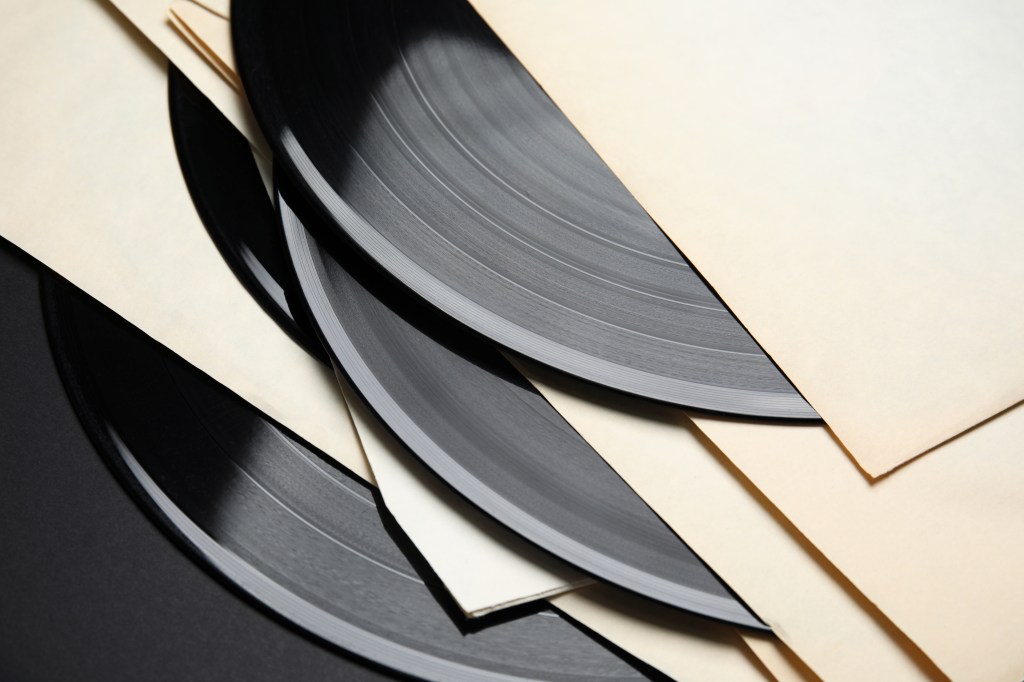
When it comes to protecting your vinyl record collection, understanding the different types of sleeves is essential. Record sleeves maintain the quality of the record itself, as well as the album cover.
The role of inner and outer sleeves
- Inner Sleeves: Inner sleeves are designed to protect the actual record from static, dust, and other debris. Recommended materials for inner sleeves include anti-static polyethylene and rice paper sleeves, which help preserve the integrity of the vinyl. Replace any original inner sleeves that may come with the record, as these often do not provide sufficient protection.
- Outer Sleeves: Outer sleeves serve to protect both the cover and the contents of the album. They act as a barrier against environmental factors, shielding the jacket from scuffs and wear. When selecting outer sleeves, choose those made from archival-grade materials for optimal protection.
Recommended materials
- Outer Sleeves: For outer sleeves, polyethylene is highly recommended due to its soft, anti-static properties, which ensure better protection for records. It’s best to avoid PVC, which can become cloudy over time and damage the vinyl. Additionally, while polypropylene offers a glossy finish, its stiffness can cause friction and scratches.
- Inner Sleeves: Options like acid-free paper are a good starting point for novices or those on a budget. However, upgrading to higher-quality sleeves is advisable when possible. Polyethylene, poly-lined paper, and high-density polyethylene are also excellent choices. The high-density option is particularly noted for its archival qualities and anti-static properties.
Handling and Cleaning: Touch Less, Play More
Maintaining the quality of your vinyl records is crucial for achieving the optimal listening experience. Proper handling and cleaning techniques can prolong the life of your records, keeping the sound clear and vibrant.
How to handle records
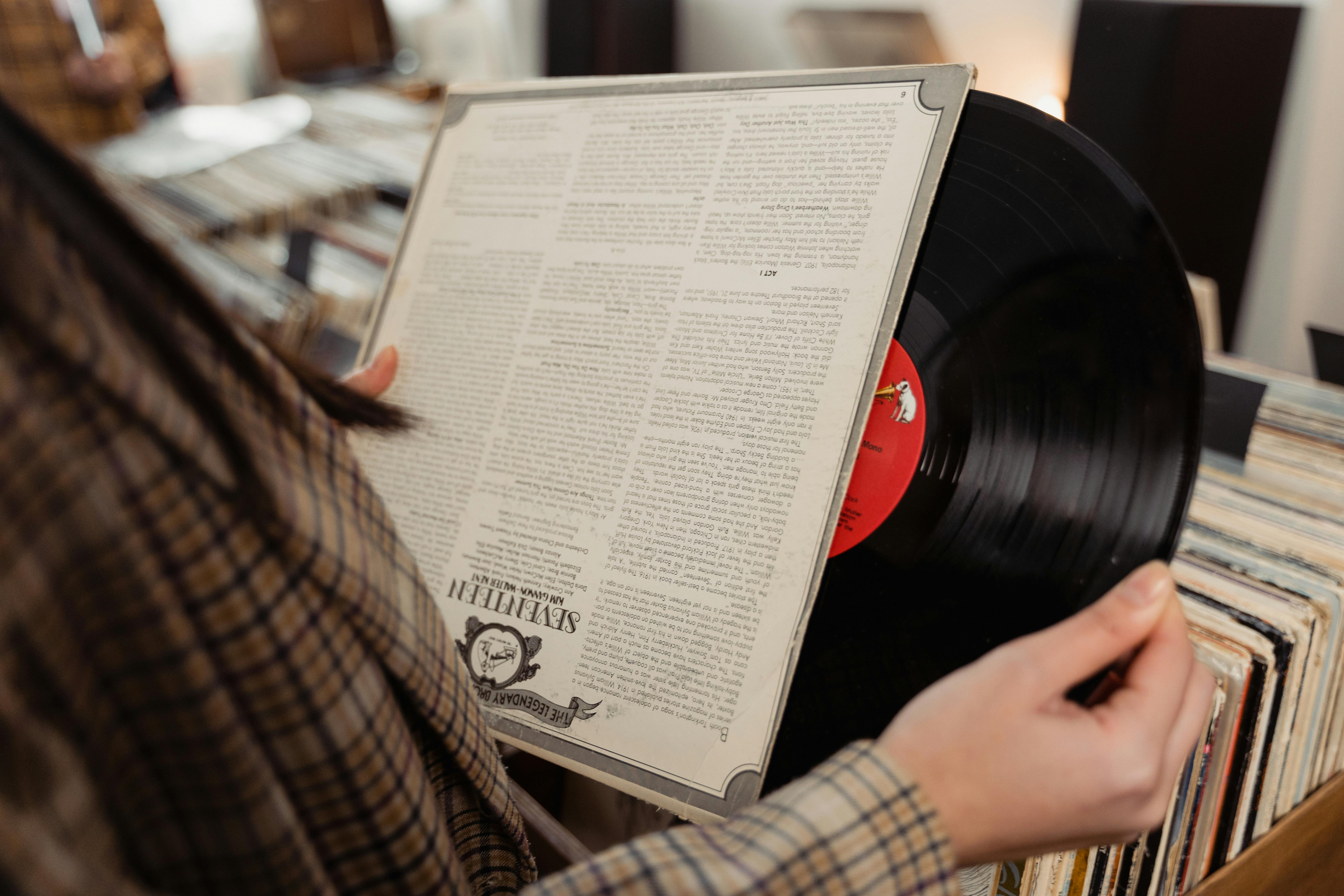
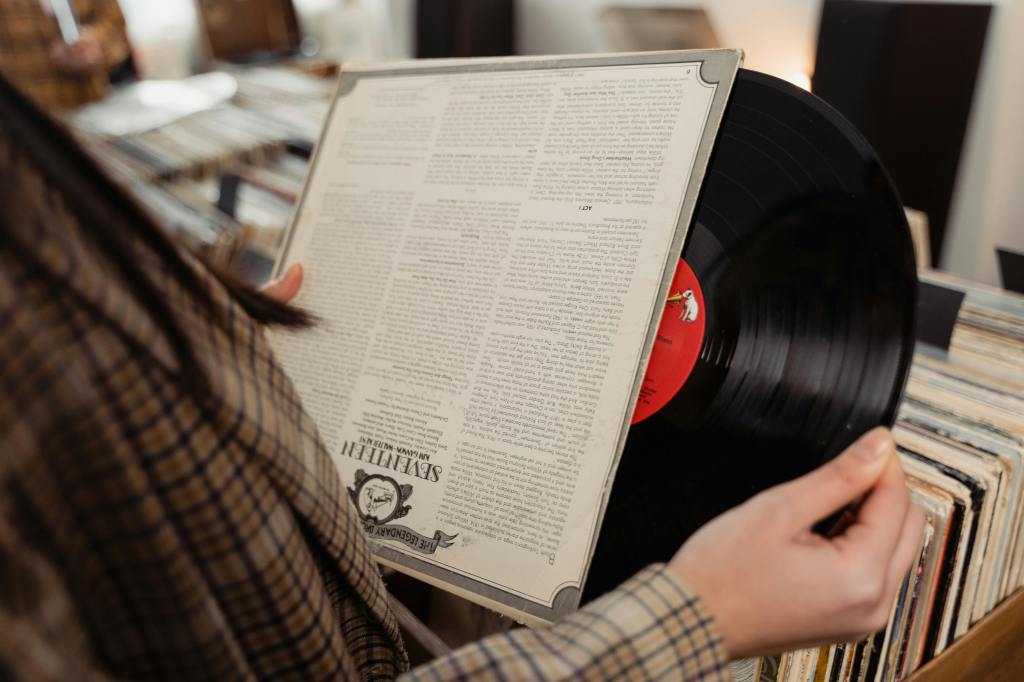
Always make sure your hands are clean to prevent transferring oils and debris. Handle the record by its outer edge or the areas covered by the label, avoiding contact with the grooves. The grooves are delicate and can easily accumulate dirt, which may affect playback quality. If you plan to play your record, remember to clean it first for optimal sound performance.
Cleaning methods
- Dry Method: This method involves using an anti-static brush specifically designed for vinyl records to remove dirt and debris from the grooves. It’s important to avoid using t-shirts or regular cloths, as they can scratch the record surface.
- Wet Method: This method involves specialized vinyl cleaning solutions to remove oils and additional debris. It is generally recommended to deep clean your records every six months to maintain sound quality. However, avoid household cleaners, as they can be abrasive and harmful to the vinyl. Use cleaning solutions specifically formulated for vinyl records.
Vertical Storage: The Golden Rule of Record Shelving
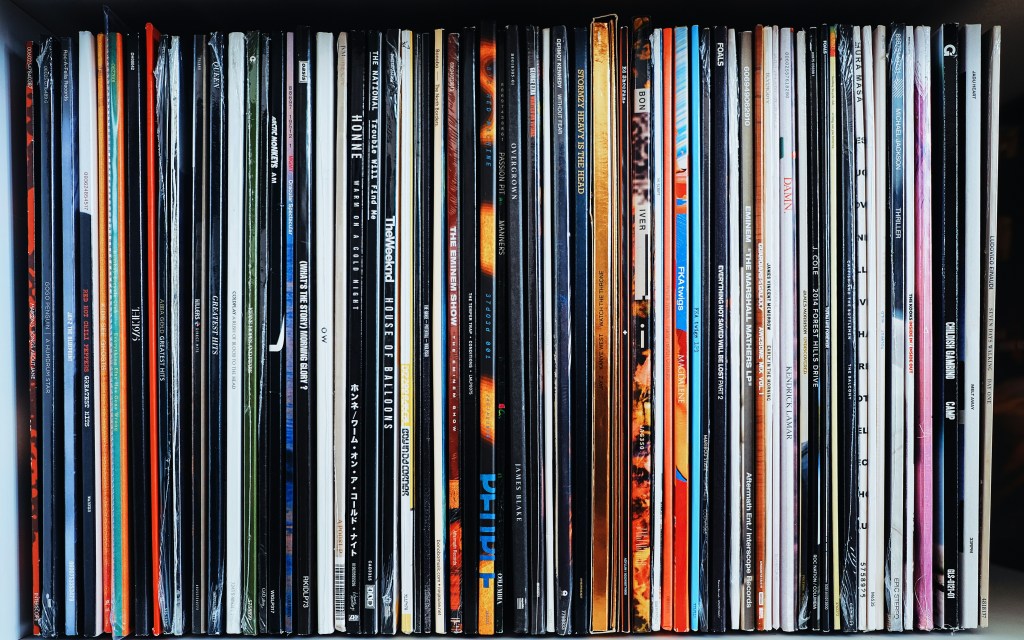
When it comes to preserving the quality of your vinyl records, the way you store them plays a crucial role. Vertical storage is the most effective method for preventing damage and ensuring longevity.
Avoiding damage
One of the primary reasons to store records vertically is to prevent warping and ring wear. Too much pressure can and will damage your records. Use sturdy dividers between records. This prevents overcrowding, which can cause bending and friction as the records are pulled in and out. Maintaining adequate breathing room is vital—each record should be easily removed.
Climate Control: Temperature and Humidity That Protect Vinyl
To ensure the longevity and preservation of vinyl records, maintaining an optimal climate is essential. The right temperature and humidity levels can significantly impact the integrity of your collection.
Temperature and humidity levels
The ideal temperature for storing vinyl records is 65–70°F, as cooler conditions help prevent warping. Keep records away from heat sources to maintain sound quality. For humidity, a relative level of 40–50% is crucial. High humidity can warp jackets and promote mould, while low humidity can cause cracking and static buildup. Balancing humidity is crucial for maintaining the health of your collection.
Unfavorable long-term storage
Avoid storing in attics, basements, and garages, as these spaces are prone to temperature fluctuations that can harm your collection. Instead, opt for a controlled environment where conditions remain stable and consistent. Ultraviolet rays can cause damage, warp, and melt the records over time. Always store your vinyl in a dark, cool place away from any direct light sources.
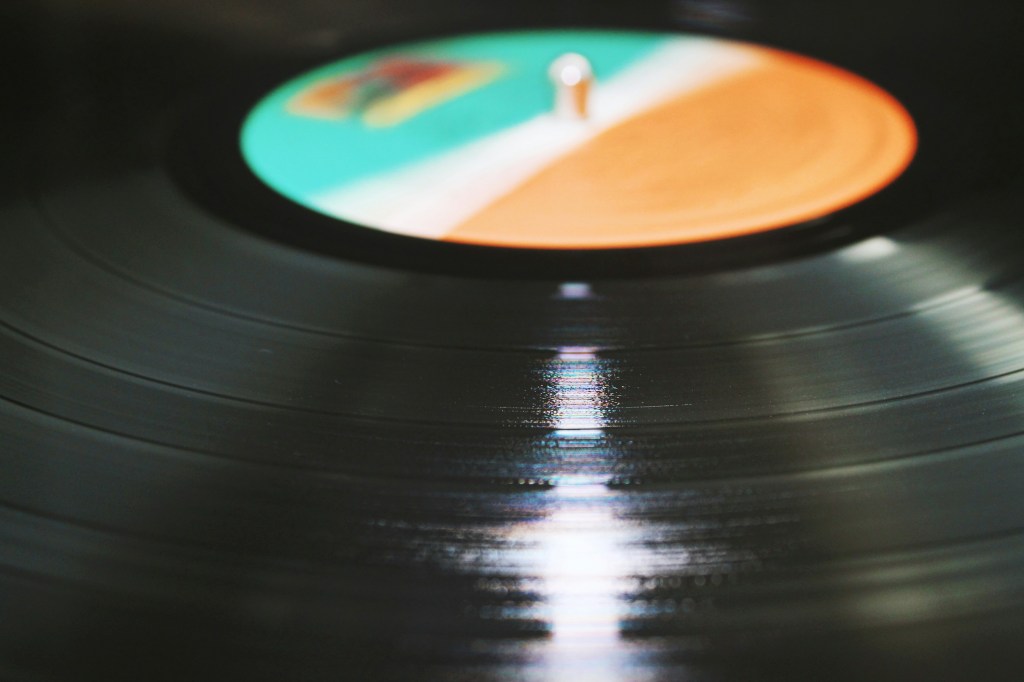
Light Protection: Why UV Is Vinyl’s Invisible Enemy
Vinyl records are works of art that blend both auditory and visual experiences. To preserve their value and quality, it is essential to protect them from various forms of damage, particularly from direct sunlight.
Risks of ultraviolet light (UV) exposure
Direct sunlight poses significant risks to vinyl records and their album art. UV light exposure and bright lights can lead to fading of the album art and deformation of the records themselves. This is crucial to understand, as both damage to the vinyl and deterioration of the album cover can adversely affect the audio quality and overall value of the record.
Display tips
When displaying vinyl records, careful consideration should be given to their environment. We’ll dive deeper into specific strategies later on, but here are some high-level tips: opt for shaded display areas to mitigate direct sunlight exposure, or utilize UV-filtering sleeves and frames for wall-mounted albums.
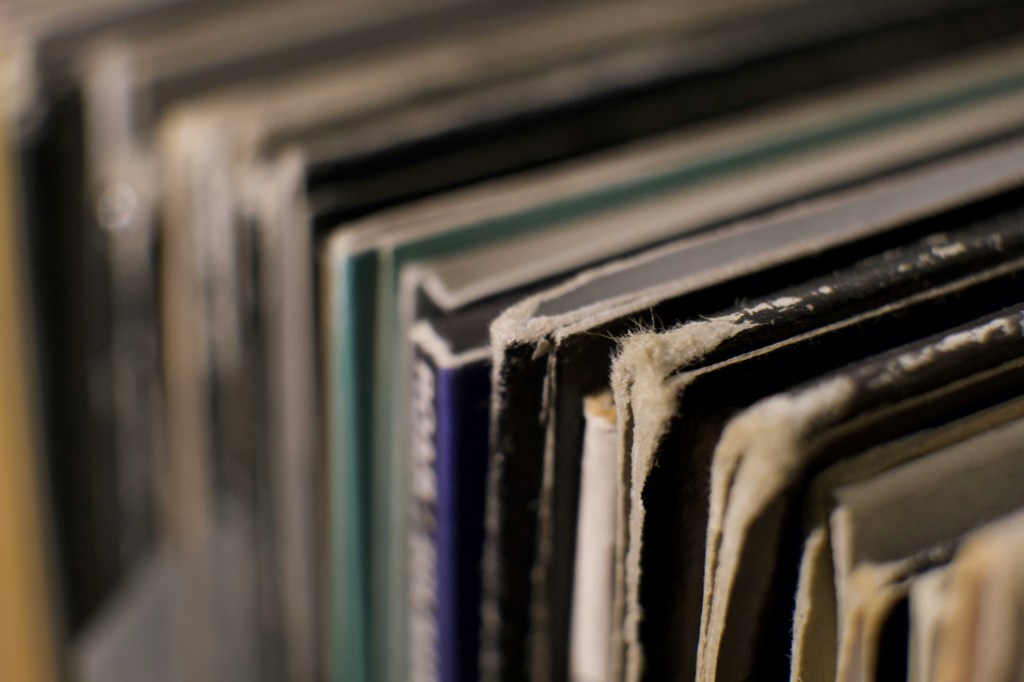
Mold, Dust, and Air Quality: Preventive Habits That Work
Maintaining the ideal environment for your vinyl records is crucial to preserving their quality and longevity.
- Air Quality: Regular airflow and dry environments deter the growth of mold and mildew. These fungi thrive in damp and stagnant conditions, which can lead to irreversible damage to your vinyl records.
- Cleaning and Maintenance: Keep air vents clean and utilize HEPA filters whenever possible. HEPA filters are effective in trapping small particles that could otherwise settle on your records. Additionally, regular vacuuming around shelving helps prevent dust from migrating onto record surfaces, further protecting your collection from contamination.
- Managing Humidity: If you live in a humid climate or are storing records in a basement, consider investing in a dehumidifier. This device helps control excessive humidity levels, thereby safeguarding your vinyl records from mold. However, you should monitor the air to ensure it doesn’t become overly dry, as extremely low humidity can also be harmful to vinyl.
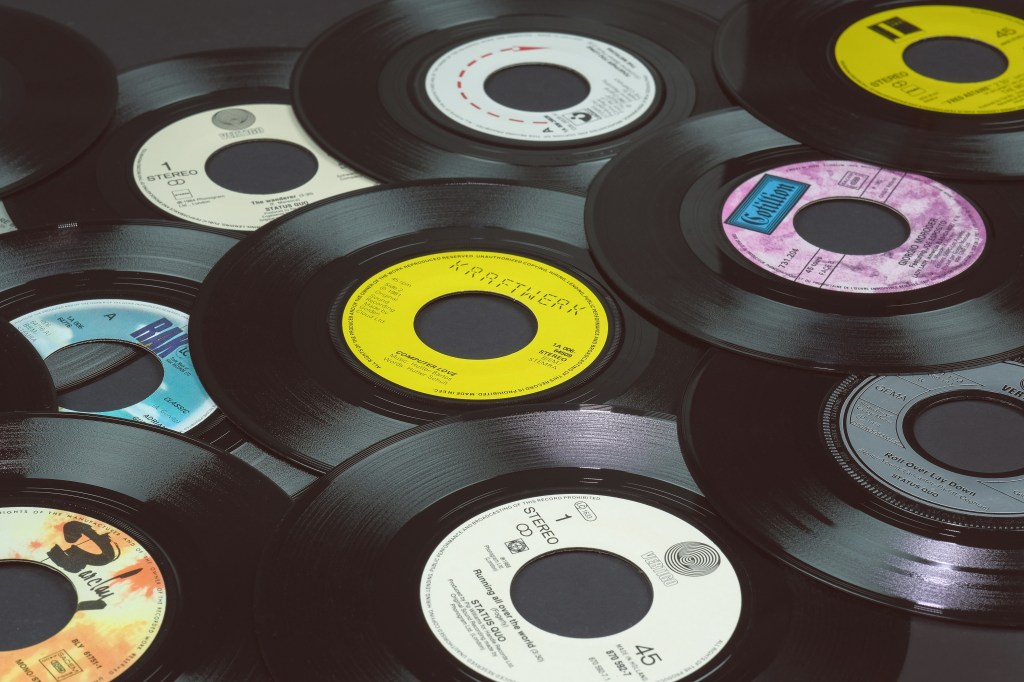
Record Player Maintenance: Extending Stylus and Groove Life
Maintaining your record player ensures optimal sound quality and prolongs the life of your vinyl records. Just as you take care to handle your records with care, the same attention should be given to your turntable. Below are some key areas to focus on for effective record player maintenance.
- Care for the Stylus: A worn stylus can damage your records and reduce audio fidelity. Replace the stylus as advised by the manufacturer and use specialized cleaners to keep it clean, which enhances performance and protects your records.
- Regularly Check the Belts: A worn or slipping belt can cause inconsistent playback speed and affect sound quality. Inspect and replace belts as needed to maintain the longevity of your record player.
- Balancing the Tonearm: A properly balanced tonearm is essential for achieving optimal tracking and sound quality. An unbalanced tonearm can lead to excessive wear on the stylus and records. Use a balancer to set it to the manufacturer’s specifications for smooth playback and minimal damage.
For an in-depth guide on protecting your turntables, check out our blog!
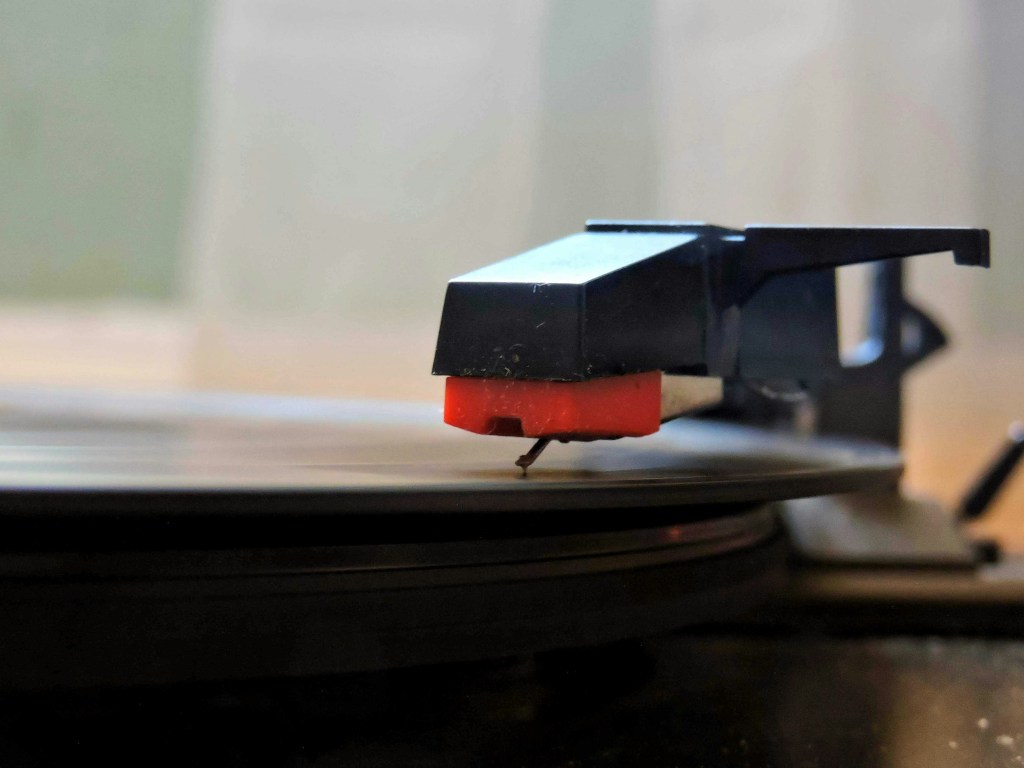
Archival Storage and Long-Term Organization
When managing large vinyl collections, effective cataloging methods are essential for simplifying tracking and retrieval.
Large record collection tips
- Cataloging: Implementing a systematic approach to cataloging is crucial for larger collections. You can use a numbering system or a digital spreadsheet to maintain an organized overview of your records. This aids in both tracking and planning future acquisitions.
- Vinyl Storage Solutions: For overflow storage, consider investing in archival-grade boxes or sliding sleeves. These high-quality storage options will protect your records from damage and deterioration. Additionally, labeling your boxes by genre, decade, or artist can facilitate easy retrieval of specific albums when needed.
- Storage Considerations: When storing your vinyl records, it is vital to avoid direct contact with wood and plastic to prevent damage to the records. Proper storage units can help mitigate these risks, ensuring extra protection.
Smaller collections
Even smaller vinyl collections should be well-preserved as they grow. The same principles of organization and storage can be applied effectively, no matter the size of your collection.
- Cataloging for Growth: For collectors with fewer records, maintaining a catalog via a numbering system or digital spreadsheet is recommended. This allows you to keep an accurate record of your collection, providing an easy reference as you add more vinyl.
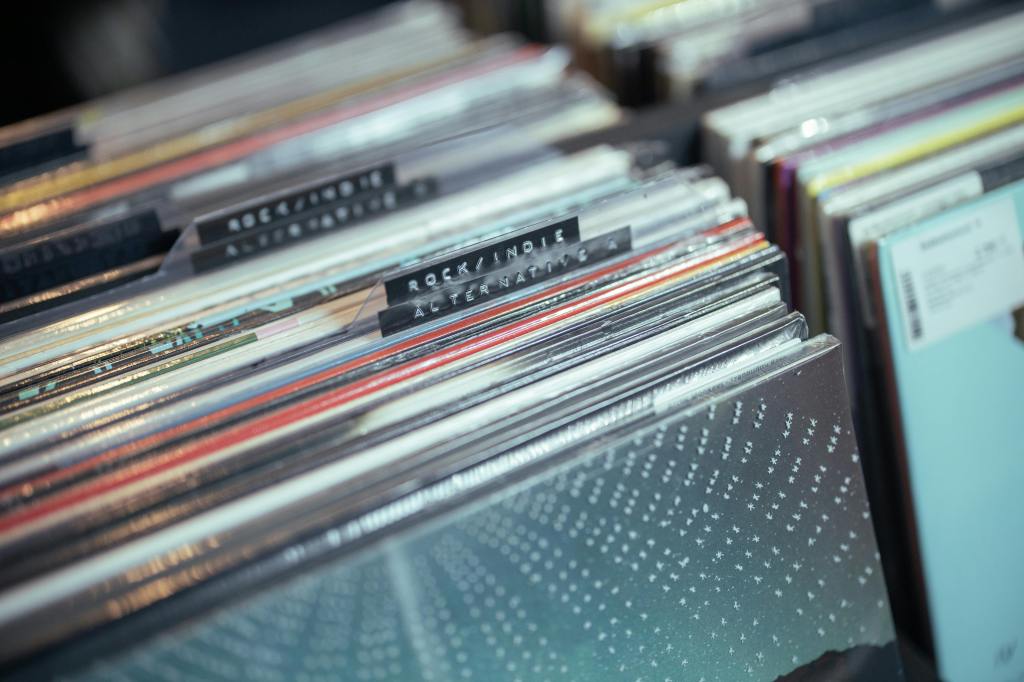
- Choose the Right Storage: Select archival-quality record boxes, especially if you plan to store your records on shelves or cubbies. These specialized boxes offer superior protection against potential wear and tear. To prevent damage to records under pressure, store them in an upright position.
- Keep Records Upright: When positioning your records, keeping them upright is crucial. Consider using acid-free paper to fill any gaps between records, ensuring they remain vertical and are not subjected to excessive weight from neighboring items.
Display and Décor Without Damage
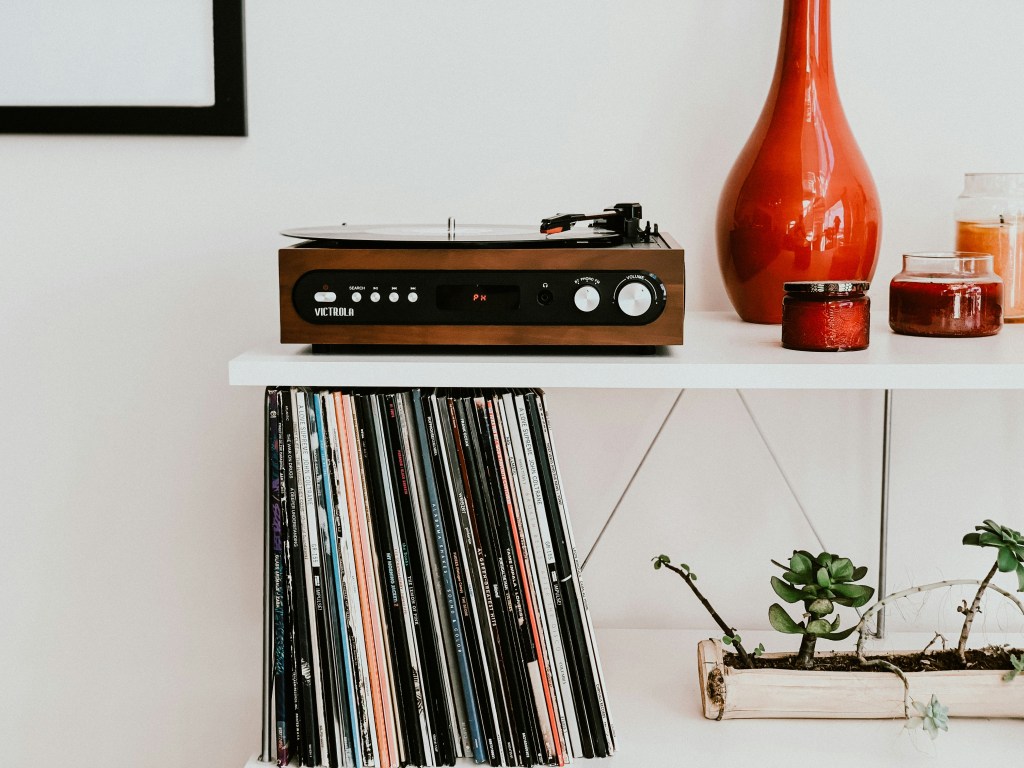
When displaying your vinyl record collection, consider using wall-mounted racks that keep albums upright and shielded from sunlight. This approach enhances your decor while also ensuring that your favorite records are protected from long-term exposure to light and dust.
Rotate your records to showcase different albums while minimizing potential damage. Implementing these best practices for vertical vinyl storage and record jacket preservation will help keep your collection in excellent condition, allowing you to enjoy your music while maintaining its integrity.
Transportation Tips: Moving Vinyl Without Warps
When relocating a vinyl record collection, pack the records snugly and upright in small boxes lined with acid-free padding. This protective measure helps ensure that the records are shielded from damage during the move. Avoid overloading the boxes, as heavy stacks can create pressure that leads to distorted edges, potentially compromising the quality of the records.
Additionally, it’s important to keep the boxes in climate-stable environments during transit. Extreme temperature fluctuations and humidity can damage vinyl records, so taking steps to protect them from such conditions will help maintain their integrity.
Interested in a comprehensive guide on how to properly ship collectibles? Be sure to check out our blog!
Quick Checklist: Everyday Vinyl Care
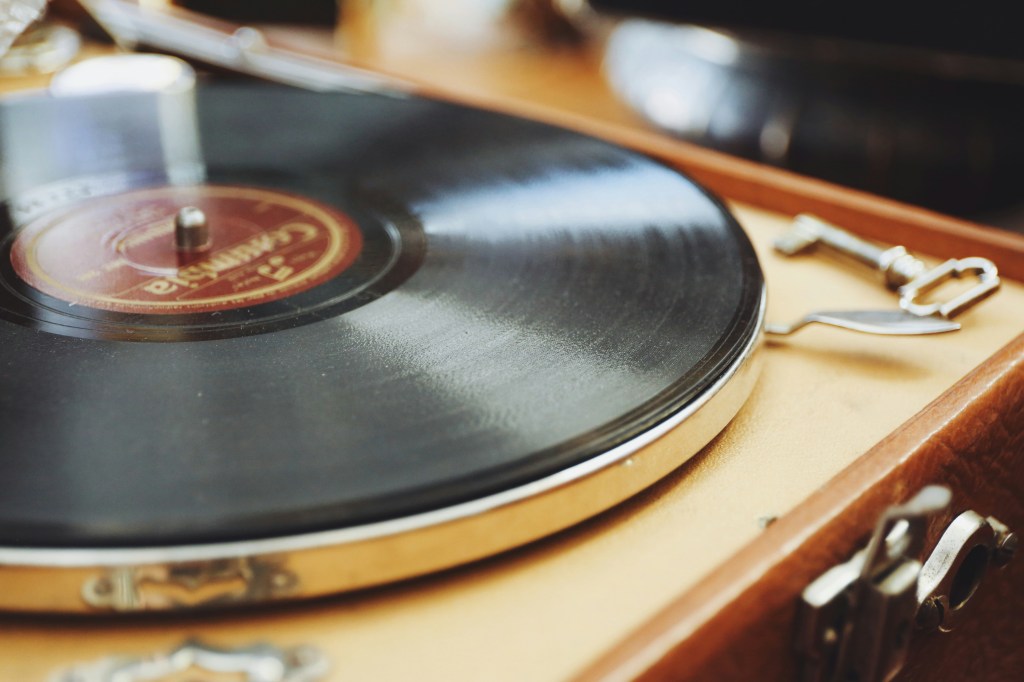
- Always re-sleeve after playing.
- Keep the environment cool, dry, and shaded.
- Clean stylus and record surfaces regularly
- Handle only by label and edge.
- Store vertically with breathable spacing
Sources
https://info.gaylord.com/resources/best-practices-for-vinyl-records
https://www.microforum.ca/blog/how-to-store-vinyl-records
https://bigfudgevinyl.com/blogs/news/keeping-vinyl-records-in-mind-condition
https://www.victrola.com/blogs/articles/how-to-store-vinyl-records
https://www.kbaudio.co.uk/blogs/record-players/how-to-store-vinyl-records-10-tips-to-protect-your-collection
https://groove-guardian.com/blogs/news/101-the-basics-of-vinyl-record-care-and-protection
https://www.pods.com/blog/how-to-store-vinyl-records
https://www.preservationequipment.com/blog/how-to-store-vinyl-records
https://www.therecordhub.com/blogs/news/how-to-store-your-vinyl-records
https://vinylstoragesolutions.ca/
https://thesoundofvinyl.us/blogs/vinyl-101/how-to-store-vinyl-records
https://groove-guardian.com/blogs/news/how-to-choose-the-best-record-sleeves-for-your-vinyl-collection
About Collectibles Insurance Services
Collectibles Insurance Services has been protecting collections since 1966 and all coverage is provided by a carrier with a group rating of “A” (Excellent) by AM Best, the leading rating agency for the insurance industry.
Comprehensive coverage includes, but is not limited to: accidental breakage, burglary, fire, flood, loss in the mail, theft, natural disasters, and other causes of loss unless specifically excluded from the policy. Deductibles start at $0 for collector policies and we provide coverage for the market value of your collection for losses in excess of $50.
Additionally the protection extends At home and away, and we don't require collection itemization and serial number nor extensive paperwork and red tape.