
The Best Tips for Shipping Collectibles Safely Without Damage
The Best Tips for Shipping Collectibles Safely Without Damage
Learn how to ship your collectibles safely and avoid damage with practical tips and best practices. Read the article for essential shipping advice!
Shipping Collectibles Safely: Why Preparation Matters
When it comes to shipping a cherished single comic or an entire collection, attention to detail in packaging can make all the difference. Proper preparation safeguards the items from potential damage and helps maintain their value during transit.
Additionally, being thorough in your shipping process can minimize the likelihood of disputes over claims later on. In this guide, we’ll explore best practices for shipping items safely, ensuring your prized possessions arrive at their destination in perfect condition.
Choosing the Right Materials: Boxes, Padding, and Wraps
When packing fragile items, selecting the right materials and methods is essential to ensure their protection during transit. This guide provides important tips on proper packing techniques, the best materials to use, and what to avoid.
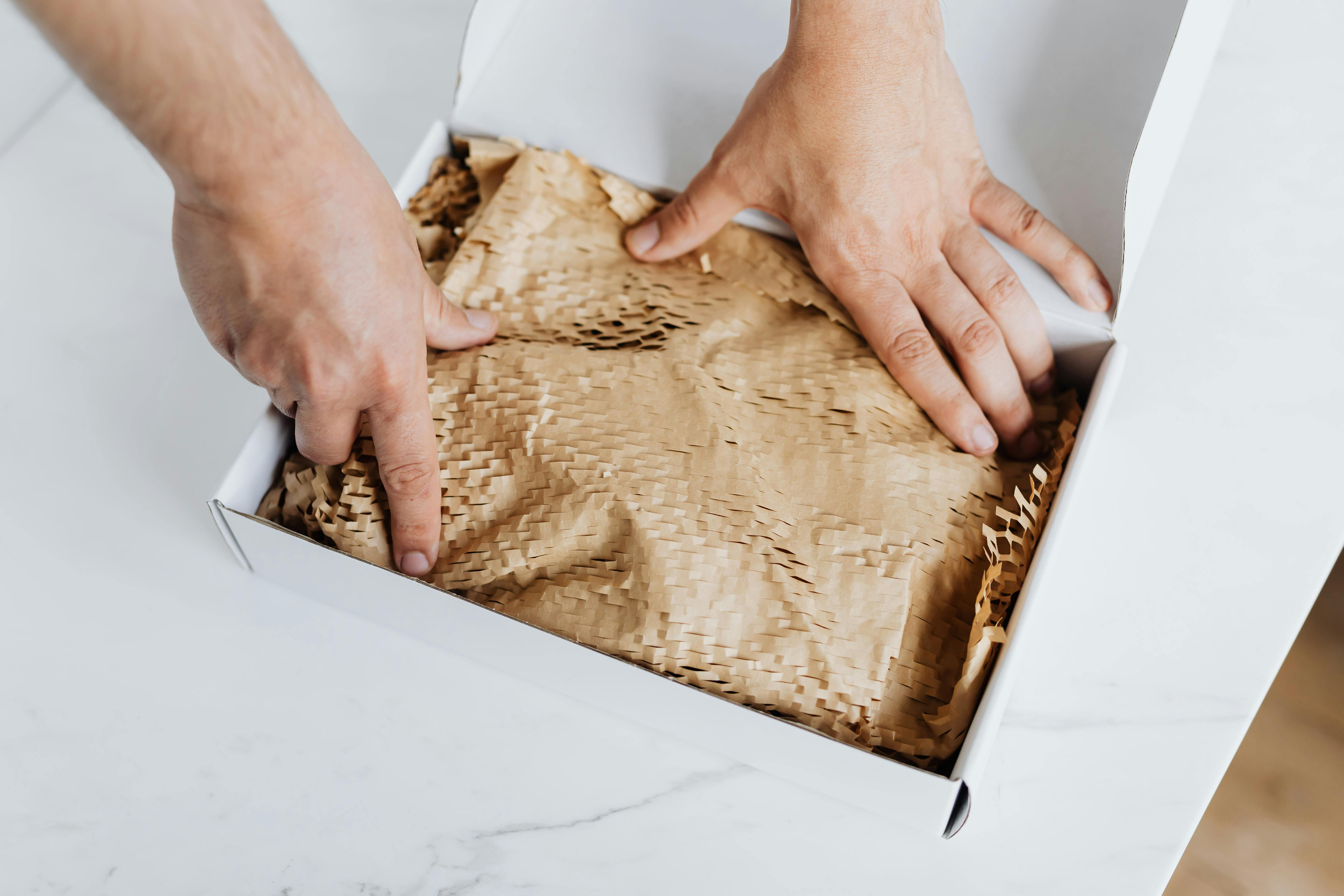
- Selecting the Right Boxes: Always use new, corrugated cardboard boxes that are specifically sized for your items while allowing for an additional two inches of padding on all sides. This extra space is vital for cushioning and will help absorb any impacts that may occur during handling and transportation.
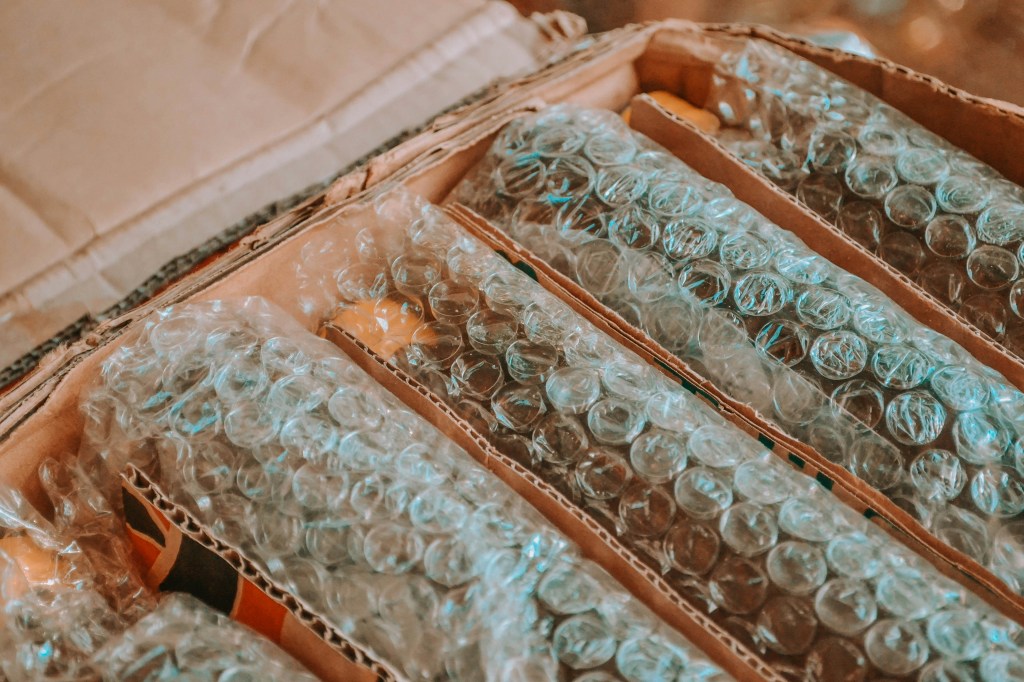
- Effective Padding Options: Select cushioning materials such as foam sheeting, air pillows, bubble mailers, packing peanuts, or bubble wrap to protect your items from shocks and vibrations. Use corner protectors for heavier pieces to keep them stable and prevent damage.
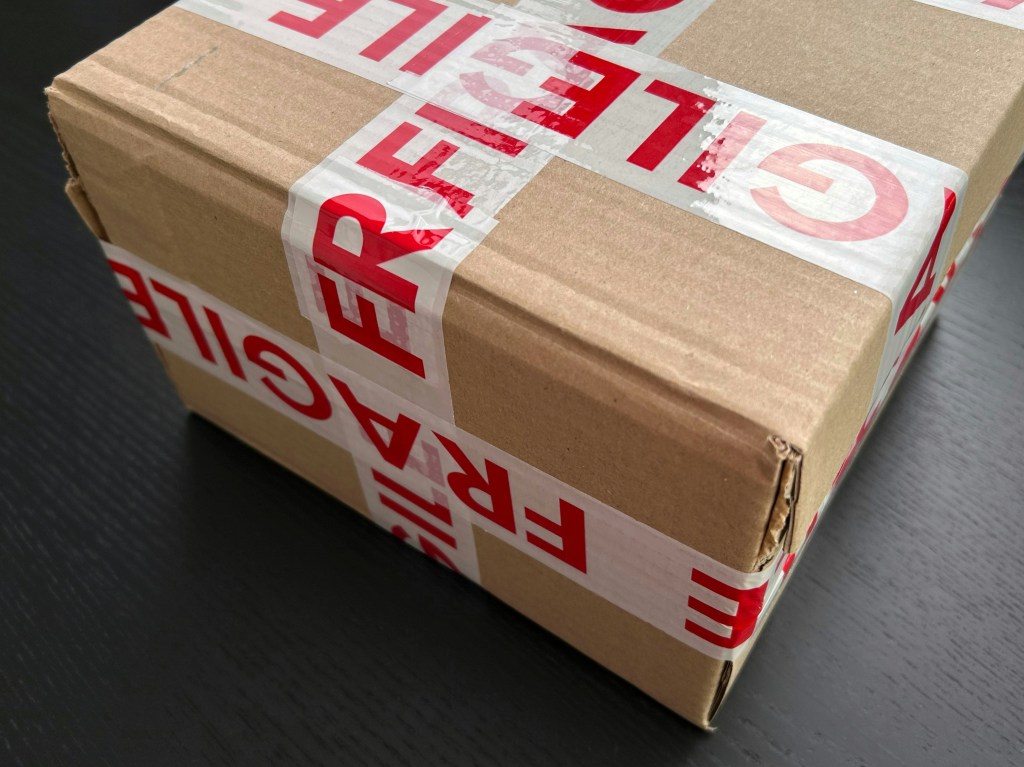
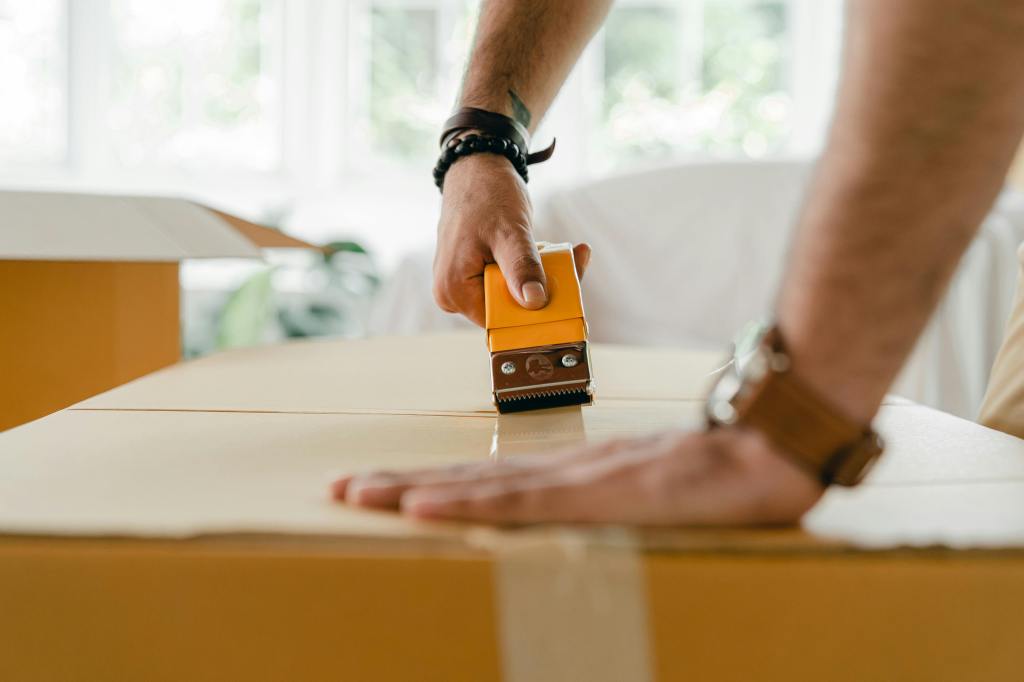
- Choosing the Right Tape: Avoid masking tape or regular Scotch tape, as they are not designed for shipping purposes. Instead, choose heavy-duty shipping tape. Such tapes are engineered to withstand temperature changes, possess strong holding capabilities, and are UV resistant, making them ideal for securely sealing your boxes.
- Materials to Avoid: Steer clear of using newspaper or loose fill for transporting fragile and painted items. These materials can lead to scratches and other damage, compromising the integrity of your collectibles.
Double-Boxing for High-Value or Fragile Items
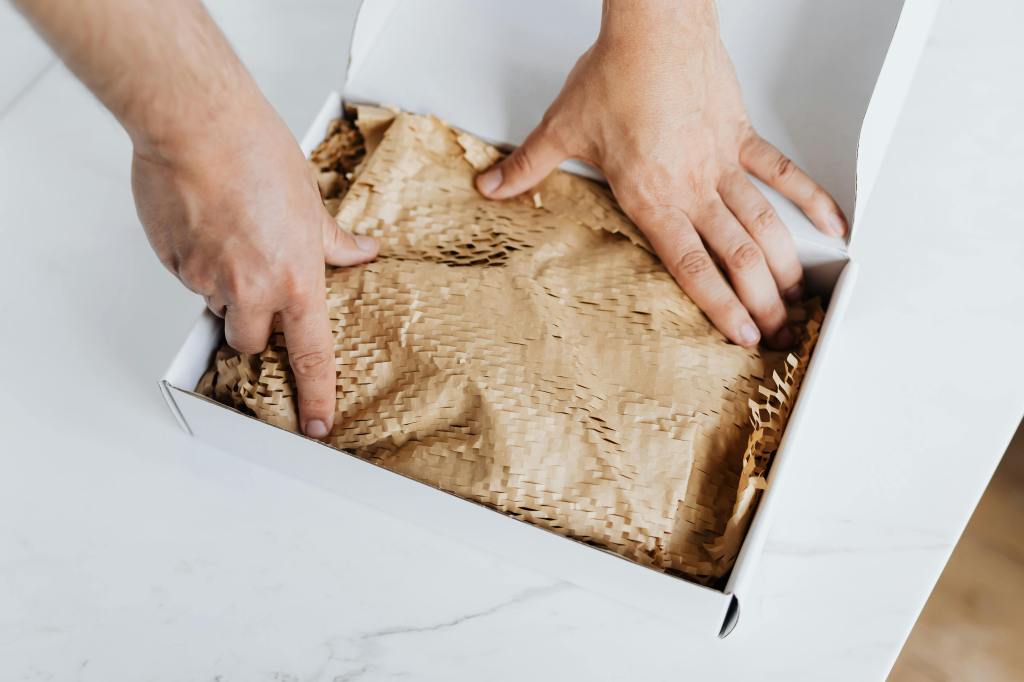
The double-boxing method is a highly effective technique designed to enhance the protection of delicate items during shipping. By utilizing a smaller inner box inside a larger box, this method significantly increases impact resistance, making it ideal for fragile collectibles and valuable art pieces.
Benefits of double-boxing
One of the primary advantages of double-boxing is its ability to safeguard graded comics, action figures, figurines, statues, and electronic devices from compression and vibration. This additional layer of protection is invaluable for items that cannot afford to sustain damage, ensuring they arrive at their destination in pristine condition.
Disadvantages of double-boxing
Despite its benefits, double-boxing has some drawbacks. This method can add considerable weight to the package, potentially increasing shipping costs. Additionally, if the package is dropped or mishandled, it can sustain damage. Overstuffing may also lead to harm, as excess pressure can affect the contents rather than protect them.
Best ways to double-box
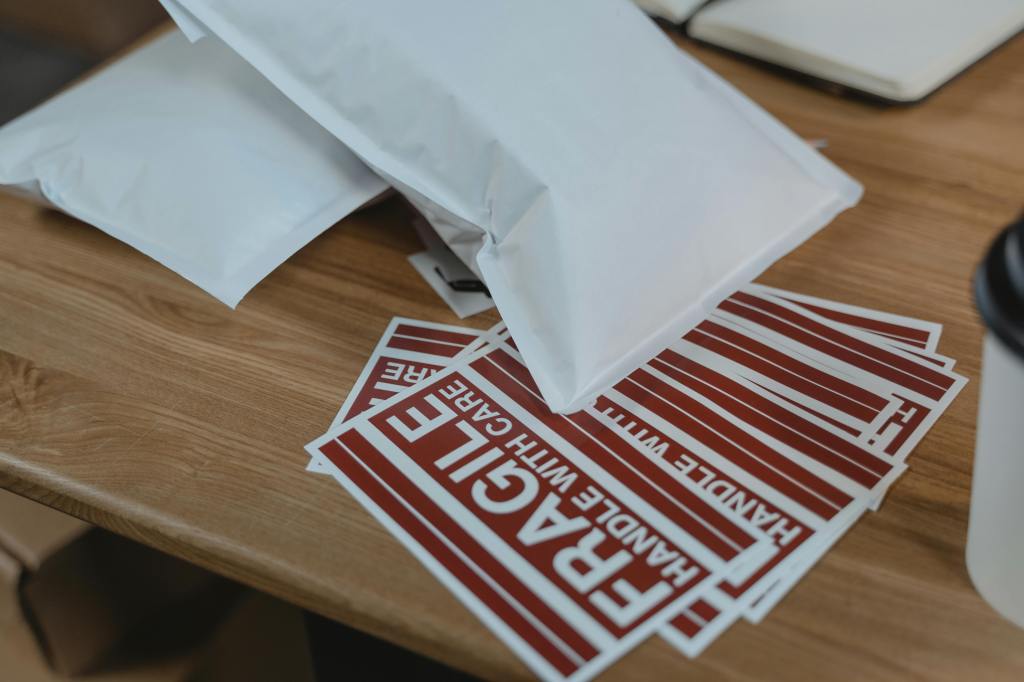
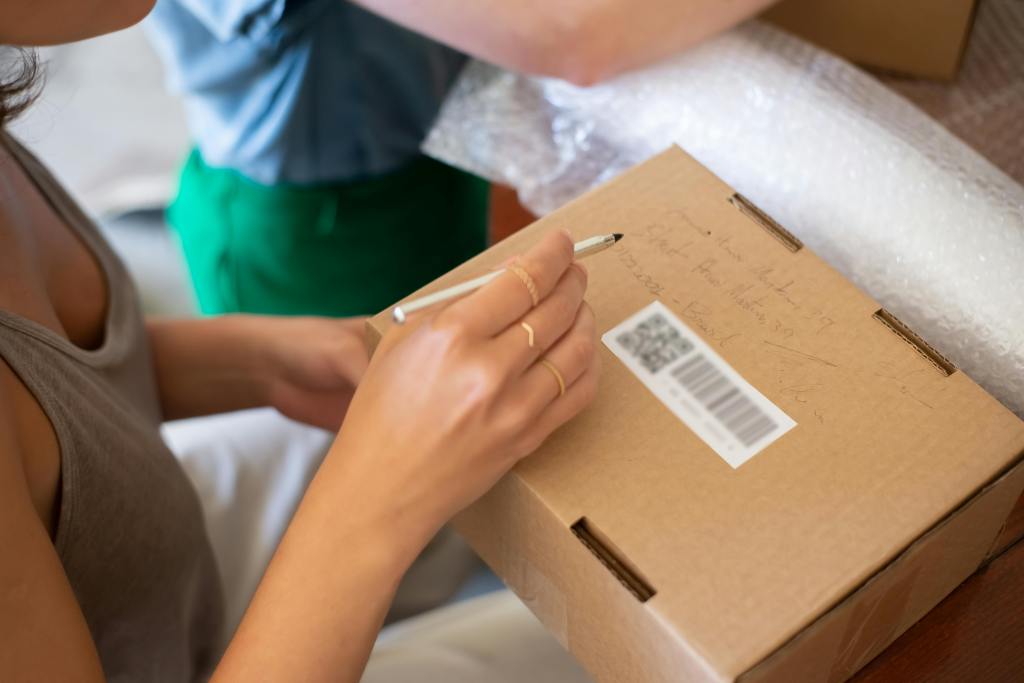
To implement the double-boxing method, start by packing the inner box securely with each item wrapped individually. Cushion it with thick padding materials, such as bubble wrap or foam inserts, and avoid using newspaper. Place the inner box in the center of the outer box, ensuring even spacing around it for additional padding. Finally, seal the outer box with heavy-duty tape and label it “FRAGILE.”
Wrapping and Sealing Best Practices
When shipping personal collections, following specific best practices can help ensure they arrive at their destination safely. Each type of item may require different techniques and materials, so understanding the unique needs of each can make a significant difference in the packing process.
Art
Protecting artwork during transit is crucial. Use acid-free tissue or glassine for unframed pieces. Roll posters in a cardboard tube, and secure canvas or framed pieces with foam boards. Wrap sculptures in bubble wrap for extra protection.
Trading cards
When packing trading cards, secure each card in acid-free clear sleeves to protect it from moisture and dirt. Next, place the sleeves in a semi-rigid holder for added sturdiness. For stacks of cards, incorporate cardboard dividers and use 2-3 rubber bands to keep them secure but not overly tight. Finally, wrap the entire stack in bubble wrap and packing paper before placing it in a protective box.
Antiques
Antiques require extra care, given their often irreplaceable nature. Ensure there is ample room in the box to allow for movement without risking damage. Bubble wrap should be used for the corners of furniture, along with protective film for added cushioning. For valuable antiques, consulting with shipping professionals for guidance is strongly recommended.
Posters
Posters need careful packing to retain their condition. Use acid-free materials for packing to prevent degradation. Flat posters can be protected by placing acid-free paper between two pieces of cardboard. Rolled posters, on the other hand, should be wrapped in acid-free paper and stored in a cardboard tube for protection.
Action figures
For action figures in original packaging, use double-boxing for protection. Wrap the original box in acid-free paper, sealing it without tape. Cushion it with bubble wrap and place it in a larger box. For delicate collectibles, use crushed paper and bubble wrap to secure the materials without sealing the items.
Coins
Coins demand special attention due to their sensitivity to temperature changes. Each coin should be stored in an individual acid-free holder or capsule to prevent scratching and tarnishing. Wrap the coins in bubble wrap for protection and place them in a box, ensuring the outer box is clearly labeled to indicate the need for careful handling due to potential temperature fluctuations.
Climate and Environmental Considerations
Extreme heat, cold, or humidity can have detrimental effects on various materials. Plastics can warp, paper may yellow, and adhesives can loosen under these harsh conditions. Understanding these vulnerabilities is crucial for anyone working with sensitive items, especially during transportation.
Best practices
When shipping long distances or internationally, it’s crucial to protect against environmental extremes. Insulated boxes help maintain temperature, and desiccant packets manage humidity. Avoid storing shipments in vehicles or warehouses during significant temperature changes to prevent damage.
- Climate Control: Collectibles require climate control to prevent damage, such as warping or discoloration. Proper measures can extend their lifespan and preserve their value.
- Environmental Considerations: When shipping artwork and antiques, it’s crucial to consider transit conditions. Proper climate control protects these items from temperature fluctuations and humidity, ensuring they arrive in pristine condition. Attention to environmental factors is key to the successful transport and storage of valuable goods.
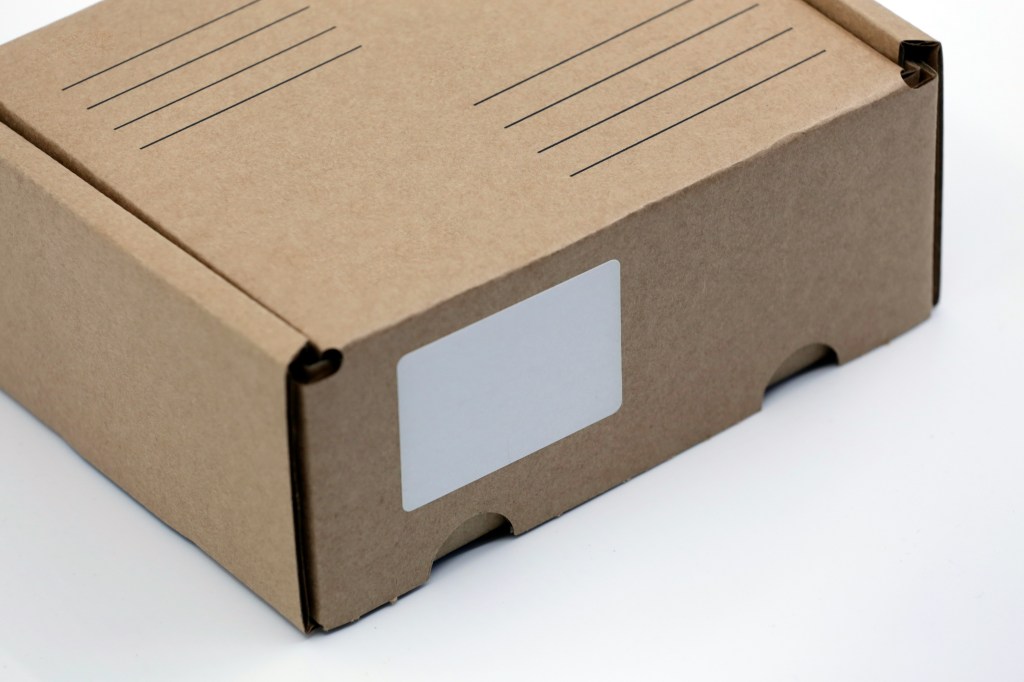
Preparing Collectibles With Special Requirements
Different types of items, such as electronics, soft goods, and collectibles, need specific materials and techniques to prevent damage during transit.
- Packing Electronics: To pack electronics safely, use anti-static bags to protect sensitive components from static damage. Foam inserts provide padding to protect against impacts during shipping. Consider disassembling certain parts to reduce the risk of breakage.
- Handling Soft Goods: Soft goods, such as vintage clothing and plush items, require careful handling. Fold them with acid-free tissue to avoid creases and damage. Sealing them from dust and moisture is essential for preservation. Proper packing ensures these cherished pieces arrive in perfect condition.

Tracking, Signatures, and Carrier Options
When it comes to shipping valuable items, taking the necessary precautions can make all the difference. Implementing measures like real-time tracking and signature confirmation helps ensure that your shipment arrives safely and securely.
Real-time tracking
One of the most effective ways to monitor your shipments is by utilizing carriers that support real-time tracking. This feature enables you to track your package’s journey from the moment it leaves your hands until it reaches its destination.
Signature requirements
To further secure your valuable shipments, consider using carriers that require a signature upon delivery. This added measure confirms that the package has been received by the intended recipient, minimizing the risk of loss or theft. Signature confirmation is significant for high-value items or sensitive deliveries, ensuring that they are handled appropriately.
Premium and international shipping
For premium or international shipments, it’s essential to choose specialized logistics services that meet your specific needs. These services often include direct handling, customs, insurance integration, and route monitoring to ensure your items are safeguarded throughout the shipping process.

Photo Documentation and Proof of Condition
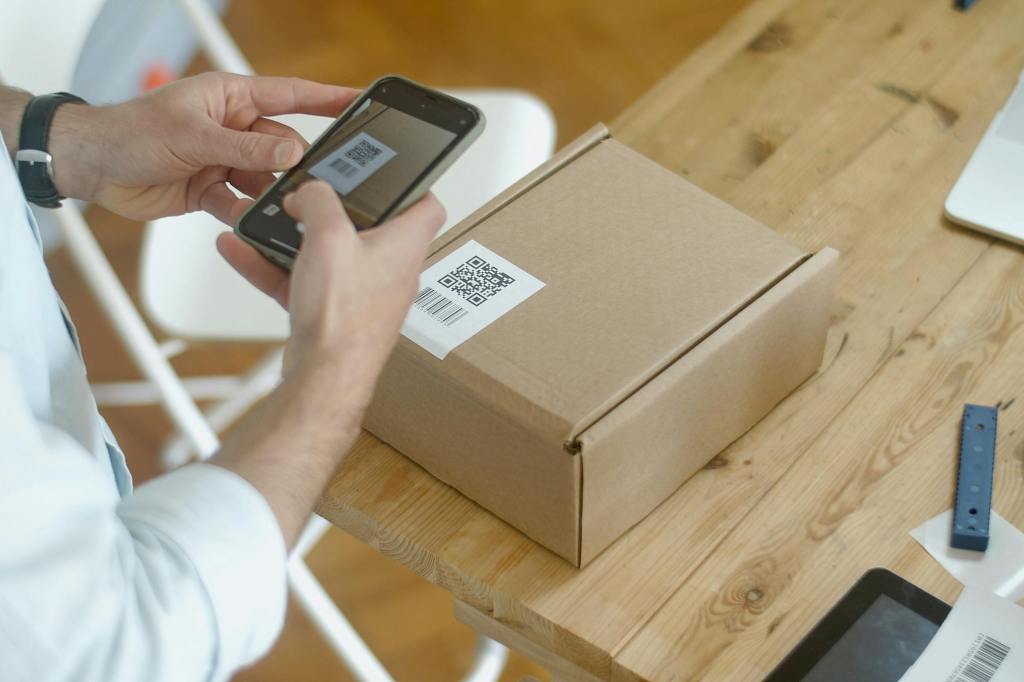
Before packing your items for shipping, it is essential to document their condition through photography. Clear images are necessary for potential buyers and can be crucial for filing insurance claims in the event of transit damage.
- Photographing Items: Photographing items provides a detailed record of their condition, capturing any pre-existing wear, as well as their serial numbers and labels. This documentation is crucial for settling disputes regarding the item’s condition upon arrival and supports the claims process with insurers, who need proof of the item’s state before shipping.
- How to Photograph Items: Take multiple angles, focusing on unique features and imperfections to capture the whole essence of each item. Capture close-ups of labels and serial numbers for identification. Using a high-resolution camera or smartphone will enhance image quality, reflecting the items’ current condition.
Shipping Insurance and Declared Value
When shipping valuable collectibles, relying solely on the declared value can be a risky approach. Specialized shipping insurance provides broader protection, covering theft, loss, and damage, which is essential for high-value items.
At Collectibles Insurance Services, we offer comprehensive coverage for your items, both at home and away, protecting them during transit and while at scheduled events, up to the policy limit. We also provide options for additional insurance for collectibles in public storage, with coverage up to $100,000.
Labeling and Marking for Fragile Shipments
Properly labeling and marking shipments is crucial for ensuring the safe transport of items, especially fragile ones.
- Labels for Fragile Items: When shipping delicate items, clearly label the box with “Fragile,” “Handle With Care,” or “Do Not Stack” on all sides. These warnings remind handlers to exercise caution.
- Choosing the Right Carrier: Choosing the right carrier for valuable items is essential. Research carrier options and their policies regarding the handling of fragile packages. Some offer specialized services or coverage for high-value items to enhance security during transit.
Receiving, Unpacking, and Inspection
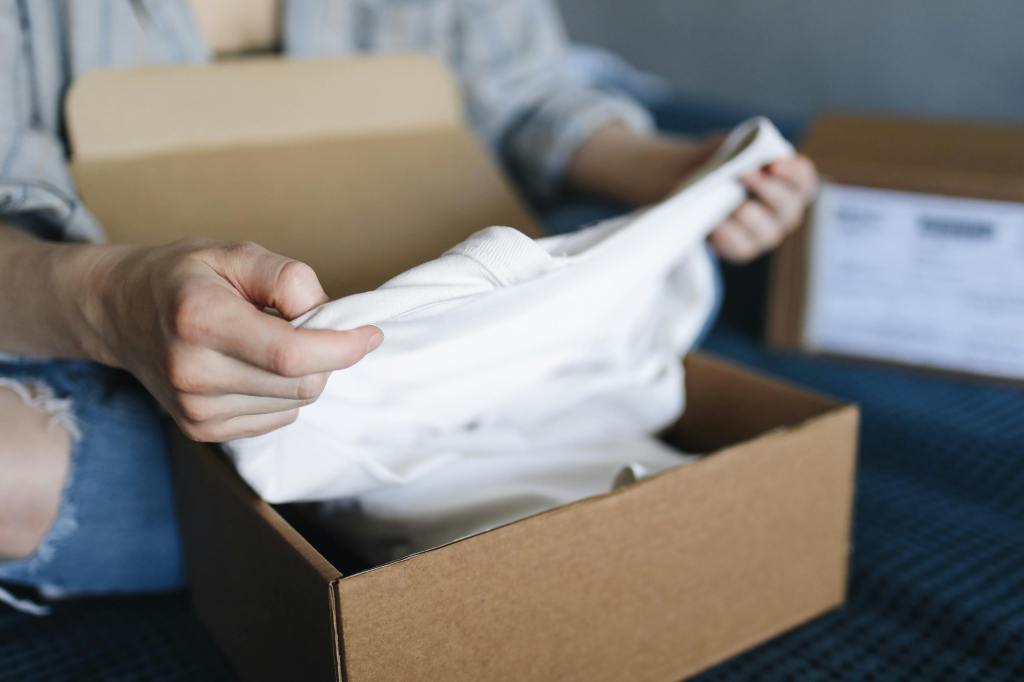
When you receive a package, it’s essential to inspect the packaging thoroughly for any dents, punctures, or visible damage before signing for it.
Photograph any damage and document the unboxing process. This is important for potential claims. Keep all packaging materials until you’ve confirmed the condition of the contents or resolved any issues.
Reusable and Sustainable Packing Options
One effective way to reduce both costs and environmental impact is to utilize recyclable and reusable boxes, along with foam inserts.
When packing fragile collectibles, the double-boxing method can provide added protection, minimizing the risk of damage during transit. By embracing sustainability and following the principles of rethinking, reusing, and recycling, collectors can contribute to a more eco-friendly approach in their shipping practices.
Safe Long-Term Storage After Shipping
When items arrive, store them in climate-controlled conditions, away from direct sunlight, and with stable humidity levels. Utilizing acid-free materials is essential to prevent chemical damage to collectibles over time.
Proper transit preparation is vital for long-term protection. Maintaining the appropriate storage and transit conditions ensures that your collectibles stay in excellent condition for years to come.
Sources
https://theboxzone.com/how-to-keep-and-ship-your-geeky-memorabilia-or-collectibles/
https://www.westcoastselfstorage.com/how-to-pack-collectibles-when-moving/
https://www.uship.com/blog/tips/how-to-ship-antiques-safely/
https://extremepackingsolutions.com/how-to-safely-pack-ship-antiques/
https://www.psacard.com/info/shipguide
https://www.andrewsshipping.co.uk/how-to-ship-artwork-and-collectibles/
https://popfixxtoyz.com/blogs/seo-content/best-ways-to-ship-action-figures-safely-a-collector-s-guide-to-damage-free-delivery
https://www.cratersandfreighters.com/2020/10/shipping-art-or-antiques-use-these-8-proven-tactics/amp/
https://community.ebay.com/t5/Selling/How-to-package-a-collectible-anime-figurine/td-p/33841446
https://www.dhl.com/discover/en-us/e-commerce-advice/e-commerce-best-practice/how-to-ship-collectibles-safely-overseas
https://pinkzebramoving.com/blog/2025/11/26/safe-packing-methods-is-double-boxing-really-effective/
About Collectibles Insurance Services
Collectibles Insurance Services has been protecting collections since 1966 and all coverage is provided by a carrier with a group rating of “A” (Excellent) by AM Best, the leading rating agency for the insurance industry.
Comprehensive coverage includes, but is not limited to: accidental breakage, burglary, fire, flood, loss in the mail, theft, natural disasters, and other causes of loss unless specifically excluded from the policy. Deductibles start at $0 for collector policies and we provide coverage for the market value of your collection for losses in excess of $50.
Additionally the protection extends At home and away, and we don't require collection itemization and serial number nor extensive paperwork and red tape.