
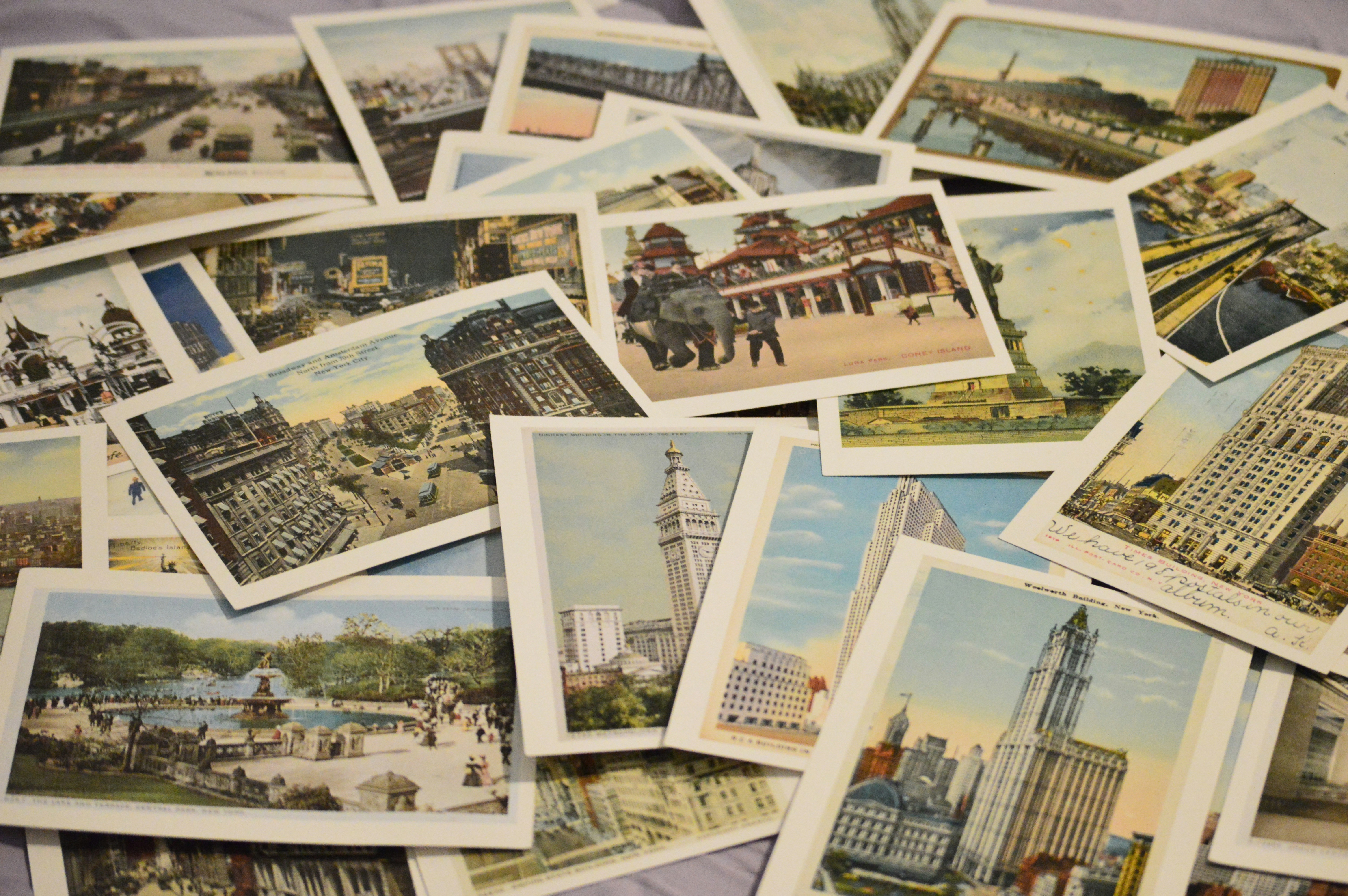
The Essential Guide to Collecting Postcards: Tips and Techniques
The Essential Guide to Collecting Postcards: Tips and Techniques
Discover practical tips and techniques for collecting postcards. Enhance your collection and connect with a global community. Read the guide now!
Collecting Postcards: What Deltiology Is and Why It Endures
Postcard collecting, or deltiology, is a captivating hobby that combines social history, art, and travel. Each postcard acts as a small artifact, reflecting moments and imagery from different times and places.
These treasures often reveal personal stories that standard historical accounts might miss, serving as a unique connection between the past and present. Whether you’re attracted to the vintage allure or the artistic designs of modern cards, deltiology offers a rich journey through human experience.
Postcard Eras at a Glance: Pioneer to Chrome
Postcards have a rich history that mirrors the evolution of postal rules, printing techniques, and design styles. Key eras—Pioneer, Private Mailing Card, Divided Back, White Border, Linen, and Chrome—mark these changes, which are defined by distinct styles and materials, aiding in the identification of a postcard’s time period.
Pioneer Post Cards (1861-1898)
The Pioneer Post Card era includes postcards published before May 19, 1898, when the Private Mailing Card Act allowed private cards to be sold at the same price as government-issued ones. This era is divided into four distinct sub-eras, each marking significant developments in postcard history.
- Lipman Card Era (1861-1893): These cards were primarily designed for business advertising, featuring a blank left side for messages and a designated area on the reverse for stamps and the recipient’s address.
- Government-Issued Postals (1873-1893): These cards had a similar design to Lipman cards but were sold at post offices for lower postage prices.
- Precursors to View Cards: Debuting at the Philadelphia Centennial Exposition in 1876, these cards were the first to incorporate pictorial images, serving as souvenir cards.
- Pioneer View Card Era (1893-1898): These cards emerged during the World Columbian Exposition in Chicago, marking the beginning of picture postcards that showcased popular attractions.
Private Mailing Cards (1898-1901)
The Private Mailing Card era began with Congress passing legislation that halved postage costs for commercially produced postcards, reducing the price from two cents to one cent. A significant requirement of this era was that all cards had to have “Private Mailing Card, Authorized by an Act of Congress of May 19, 1898” on the back, signifying their legal status for private mailing.
Real Photo Postcards (1899-1920)
Known as RPPCs, Real Photo Postcards featured photographs printed directly onto the card. This innovative printing method utilized photographic paper to produce images from negatives, capturing urban scenes and attractions. The era was characterized by an emphasis on actual sights taken by local photographers rather than illustrations.
Undivided Back Era (1902-1907)
With the introduction of the Undivided Back era, the United States Postal Service allowed for the removal of “Private Mailing Card” from postcards, replacing it with “Post Card.” This change permitted the inclusion of addresses and recipient information solely on the back of the card.
Divided Back Era (1907-1914)
The Divided Back era represented a significant transformation in postcard design, as it allowed both addresses and messages to be placed on the back. At the same time, the front could display full images without interruption. This led to a surge in postcard production, sparking a collecting trend that captivated many, known as the “golden age of postcards.” However, by 1909, growth began to stagnate when Congress introduced the Payne-Aldrich Act, which imposed tariffs on imported postcards.
White Border Era (1915-1930)
During the White Border era, postcard production was heavily influenced by the impact of World War I. With the cessation of imports from Germany, American printers gained a competitive advantage. However, lacking the sophisticated lithographic techniques of German printers and with most supplies being diverted to the war effort, the quality of postcards was compromised. Characteristically, cards from this era featured a distinct white border, a cost-saving measure that resulted in the use of smaller images and saved ink.
Linen Era (1930-1944)
The Linen era utilized the white border design from the previous period, but these were distinct due to a textured “linen” finish. This era is characterized by its vibrant colors and striking imagery, which employ bright dyes to capture attention. The linen cards’ finish provided a unique tactile experience, differentiating them from other postcard styles.
Photochrome Era (1944-Present)
The Photochrome era began in 1944 and continues to the present day. This era is characterized by high-quality printing techniques that create images through a method of mixing and staggering dots, resulting in postcards that resemble genuine photographs.
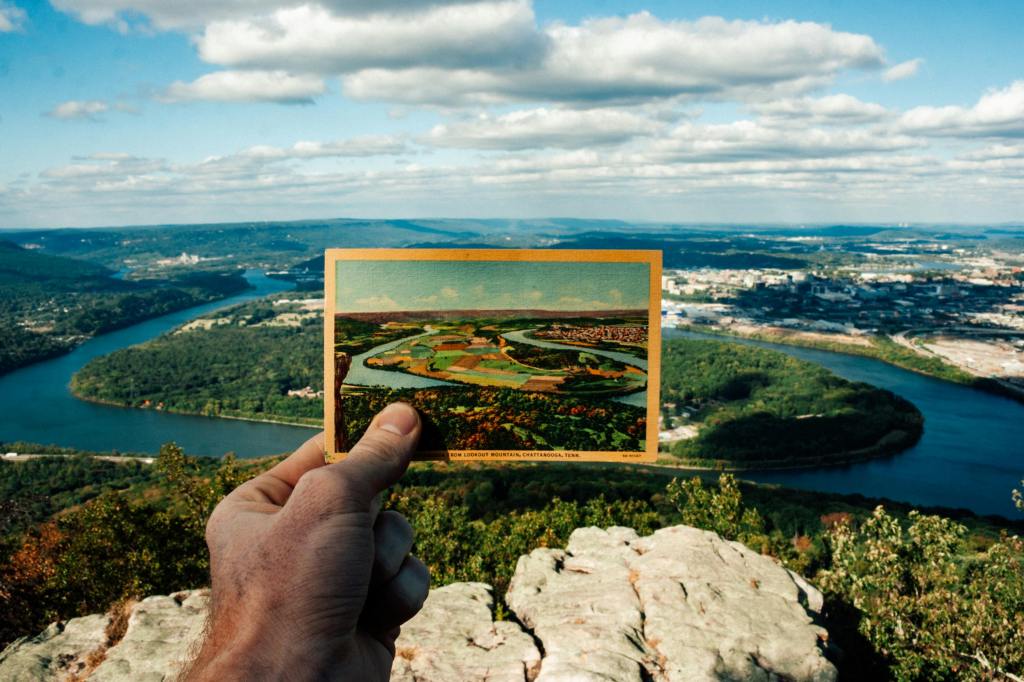
RPPC vs. Printed Cards: How to Tell the Difference
Real Photo Postcards (RPPC) are unique collectibles that consist of actual photographic prints mounted on postcard stock.
Identifying RPPC characteristics
Each Real Photo Postcard usually has a manufacturer’s number on the back, which can be crucial for identifying the photographic paper used and determining when it was produced. Unlike printed cards, RPPCs are developed directly onto photographic paper, resulting in high-quality images that are rich in detail. When viewed closely with a magnifying glass, features such as fine details, silvering, and the texture of the emulsion become visible.
It’s important to note that RPPCs do not display any halftone or lithographic dots, making them distinct in both appearance and quality. Additionally, these postcards often feature recognizable publisher marks, including AZO, ARGO, CYKO, VELOX, and SOLIO, which can be found around the stamp box.
Printed postcards
The presence of halftone or lithographic dots is characteristic of printed postcards. These vintage cards were often mass-produced, as professional photographers would send their negatives to publishers for printing.
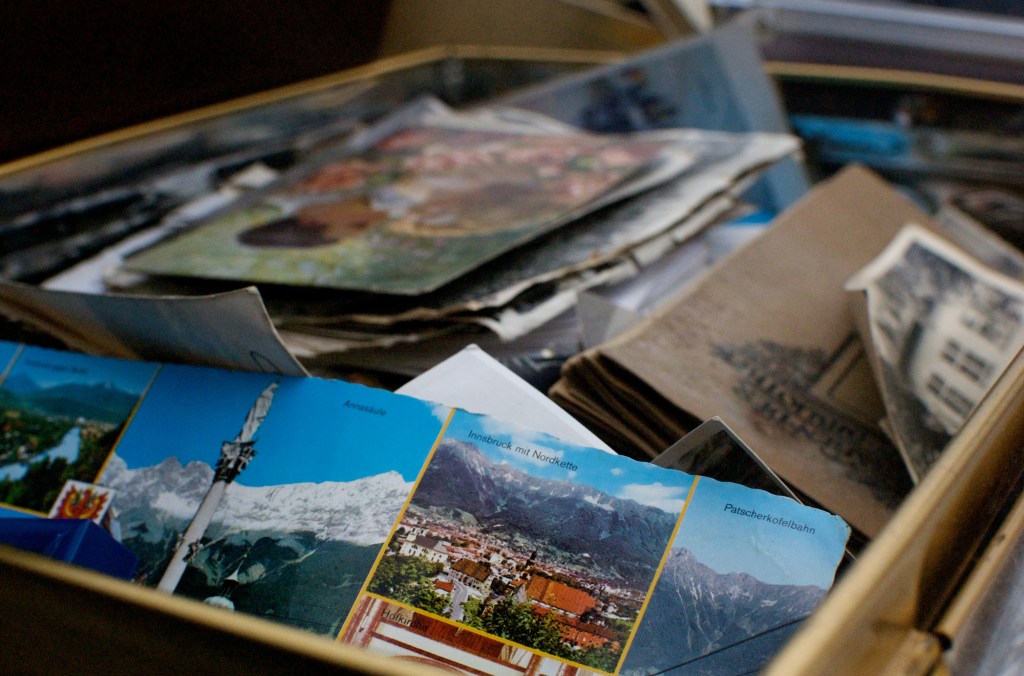
What Collectors Chase: Popular Topics and Themes
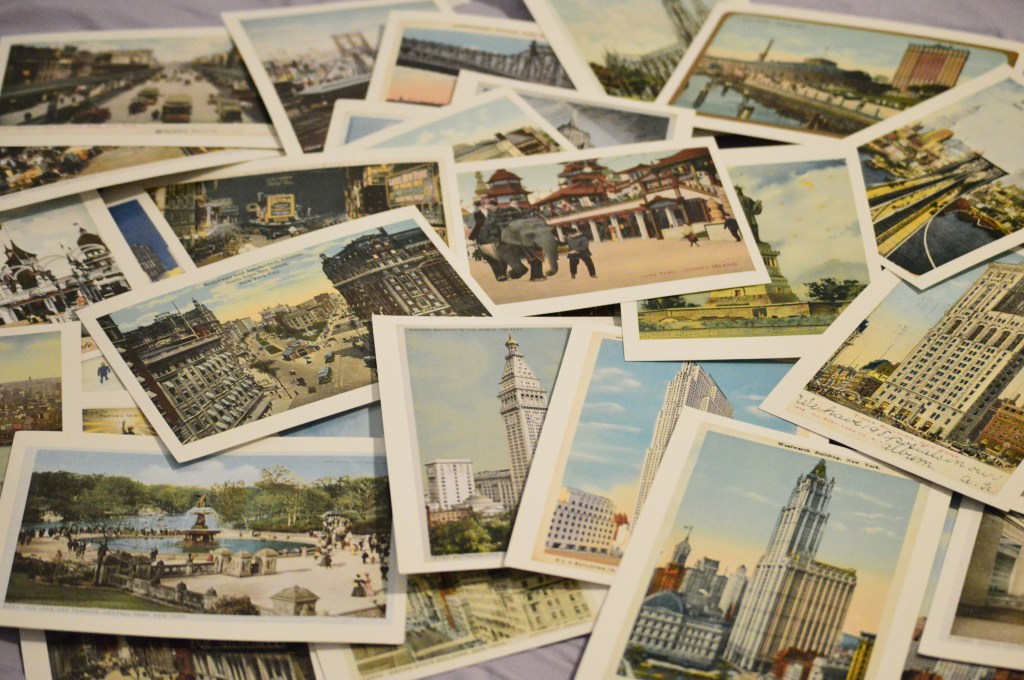
Vintage postcards are available in a wide range of themes and subjects. From views of towns and landmarks to representations of transportation and special events, postcards serve as tangible memories of our travels and experiences.
Popular themes
Among the most sought-after postcards are those that depict busy street scenes, both during the day and at night, as well as iconic landmarks. Additionally, transportation-themed postcards featuring railroads, ships, and aviation have a strong following.
Card age and era
One key aspect of postcard collecting is the distinction between antique and vintage postcards. Antique cards, which are over one hundred years old, are often sought after for their historical significance. Conversely, vintage postcards, defined as those 20 years and older, appeal to a slightly different market.
Topics and events
The world of postcards is diverse, encompassing various topics and events. Collectors often explore foreign cards, as well as subject-specific collections that feature animals, novelty items, and themes of glamour or art. This variety allows enthusiasts to curate displays that reflect their personal interests and experiences.
Notable artists and publishers
Postcard artistry enhances its value, with notable artists like John Winsch and Ellen Clapsaddle making a lasting impact. Publishers such as the Rotograph Company, Curt Teich, and Albertype Company also played significant roles in postcard history.
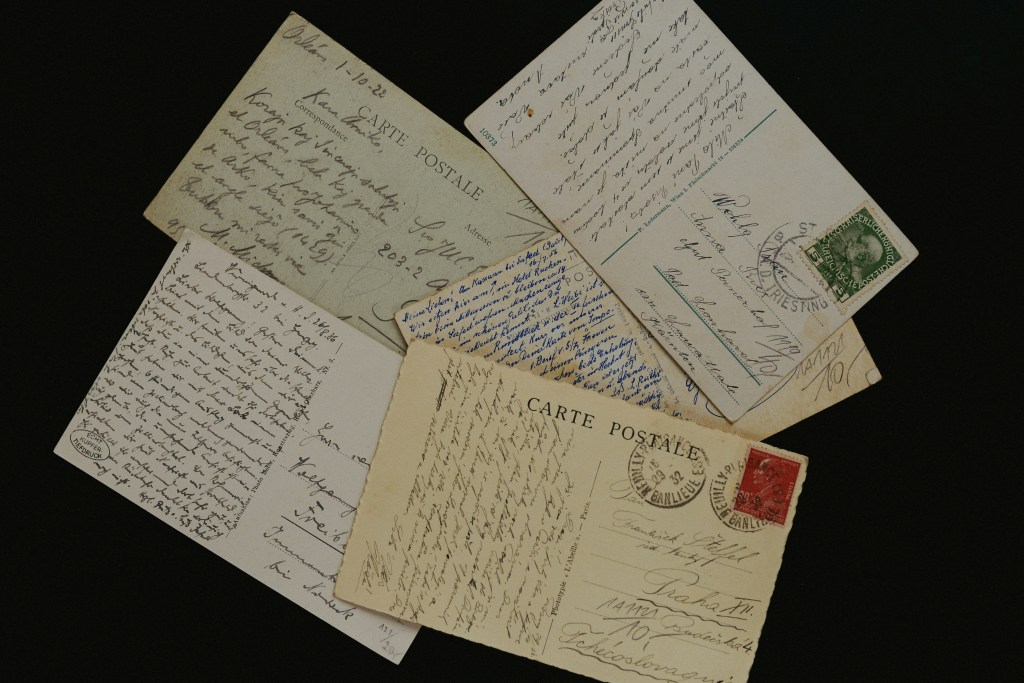
Postal History on the Back: Postmarks, Routes, and Messages
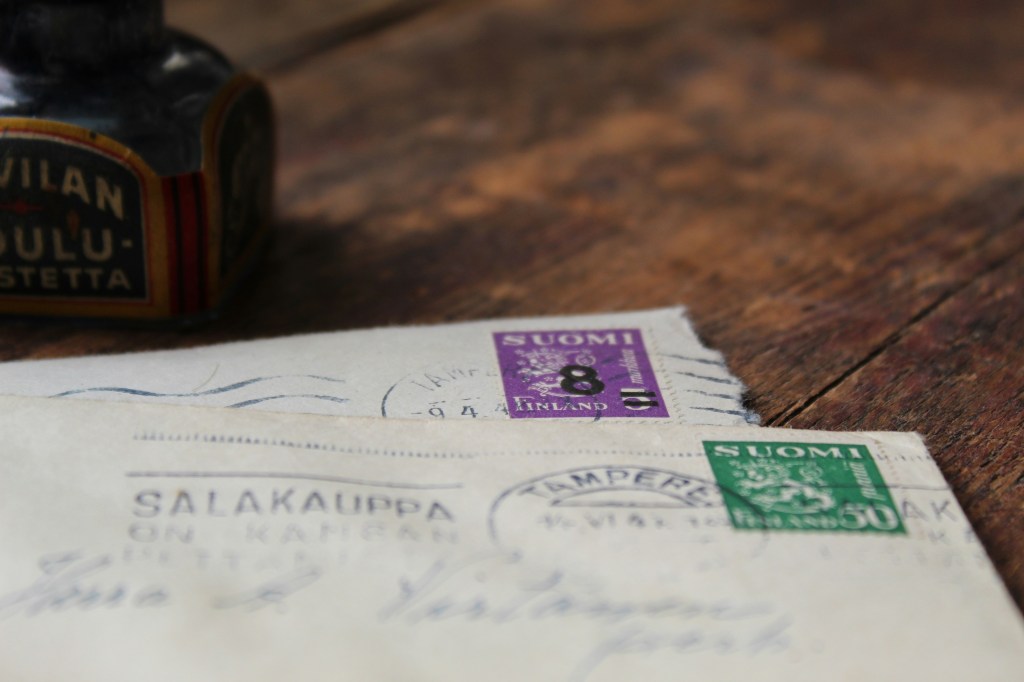
The study of mail and postcards offers a unique window into the past, revealing layers of history. Through the analysis of cancellations, markings, and written inscriptions, collectors can uncover narratives that reflect historical contexts.
Travel clues
Postal cancels and postmarks serve as indicators of when and where a postcard was processed. These features provide insights into the socio-political climate of the time, making them particularly intriguing for collectors interested in events such as World War II.
Written history
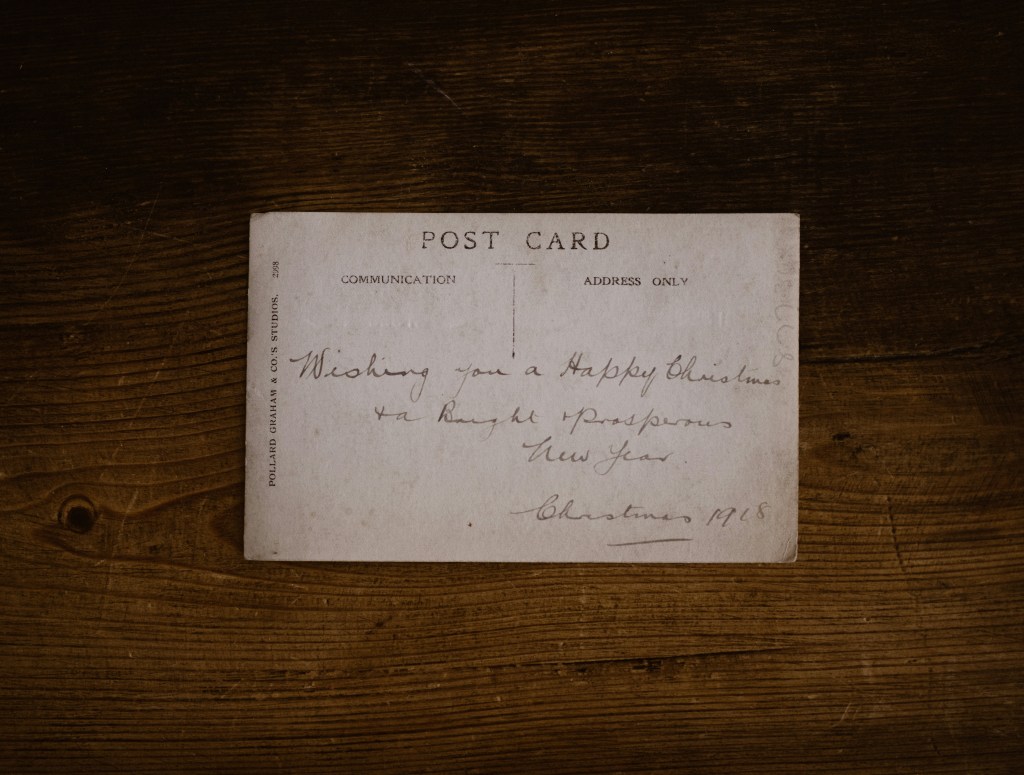
The written side of postcards often tells as much of a story as the imagery on the front. Inscriptions capture the period’s slang, prices, and flavor of local life, offering a fascinating glimpse into the daily experiences and events that shaped communities.
Condition and Value Signals: Corners, Gloss, and Writing
When assessing the value and appeal of postcards, various factors come into play that can significantly influence desirability.
Key characteristics such as rounded corners, creases, album marks, and surface wear are integral to determining the condition of a postcard. Generally, postcards that maintain sharp focus and exhibit rich tones tend to stand out in the market. Keep an eye on the condition of the postcard paper, as well as the printed information on it.
Another aspect to consider is the presence of writing on postcards. However, writing can either enhance or diminish the postcard’s value, depending heavily on its subject matter and rarity. For example, old postcards with historical notes or unusual postal markings can add a unique layer of interest and value.
Identifying Publishers, Backs, and Stamp Boxes
Identifying postcards allows us to determine the era and value of the cards. Several key features, including imprints, series numbers, and stamp box designs, play a significant role in pinpointing the manufacturers and date ranges of postcards.
Key features
These elements are vital in accurately attributing postcards to their respective manufacturers. Imprints and series numbers can reveal a great deal about the production timeline, while specific stamp box designs can indicate when a card was manufactured.
Publisher’s marks
- Rotograph: To identify postcards from Rotograph, look for a distinctive font along with the Rotograph imprint on the back of the card. This unique branding helps distinguish their cards from others.
- Albertype Co: Earlier postcards from Albertype Co can be identified by their stamp boxes, while later-produced cards can often be recognized by the design of the divider within the box.
- Wayne Paper Box and Printing Co.: Postcards produced by Wayne Paper Box and Printing Corporation between 1937 and 1943 are notable for their silver borders.
Postage rates
Postage rates are another indicator of a postcard’s production period. Cards that feature one-cent stamps typically signify government-produced postcards, while privately produced cards initially required two-cent stamps. Following the Private Mailing Card Act, the rate for privately printed cards was reduced to one cent.
Where Postcards Turn Up: Shows, Shops, and Today’s Travel
Whether you’re a longtime collector or just starting, knowing where to find these treasures can significantly enhance your collection. This guide covers various avenues for sourcing postcards, ranging from local shows to online marketplaces.
In-person sourcing
Postcards, antique malls, and specialist dealers are fantastic places to discover themed boxes filled with regional and topical materials. These venues enable collectors to engage directly with vendors, who often possess in-depth knowledge of postal history. Additionally, thrift stores, flea markets, and antique shops can yield unexpected finds.
Travel
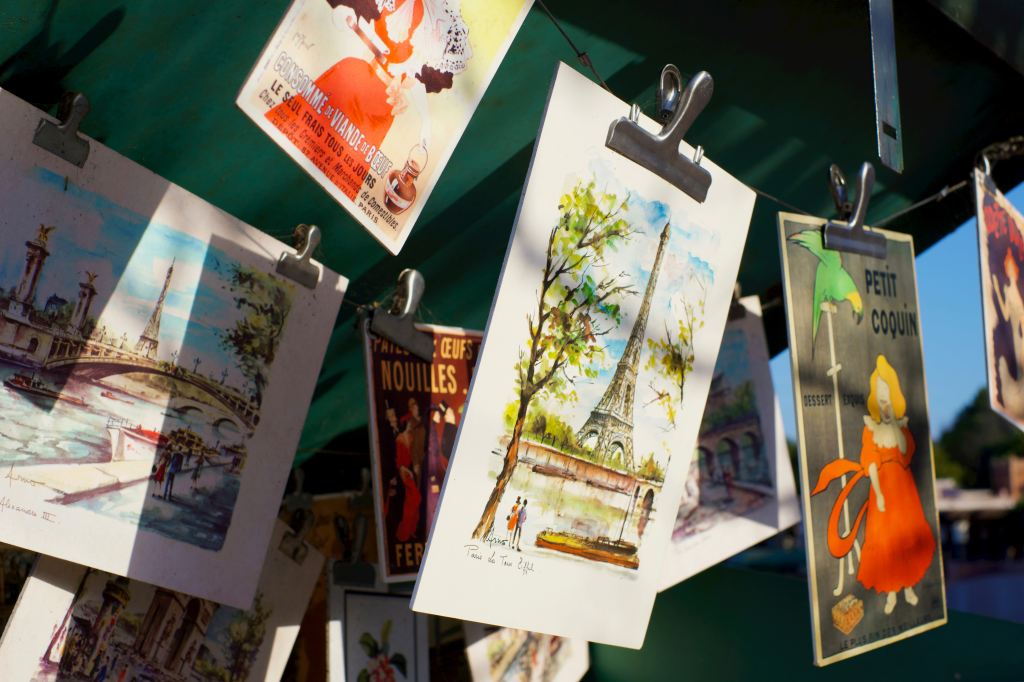
Traveling opens up a world of postcard possibilities. Whether you’re visiting historical sites or charming small towns, you can uncover both modern and vintage postcards that reflect the locales you explore. Each trip can add depth to your collection, capturing memories of your adventures through the art of postcards.
Online marketplaces
For those seeking specific postcards that may not be available locally, online marketplaces and auction sites provide a wealth of options. With online shopping, you can filter your searches according to various criteria, such as time periods or themes. For example, First World War postcards or those from private publishers.
Reputable sources
Regardless of where you source your postcards, it is essential to ensure that you purchase from reputable suppliers. This applies to both online and in-person purchases. Research sellers, read reviews, and ask questions as needed to avoid potential pitfalls.
Storage That Protects: Sleeves, Boxes, and Climate
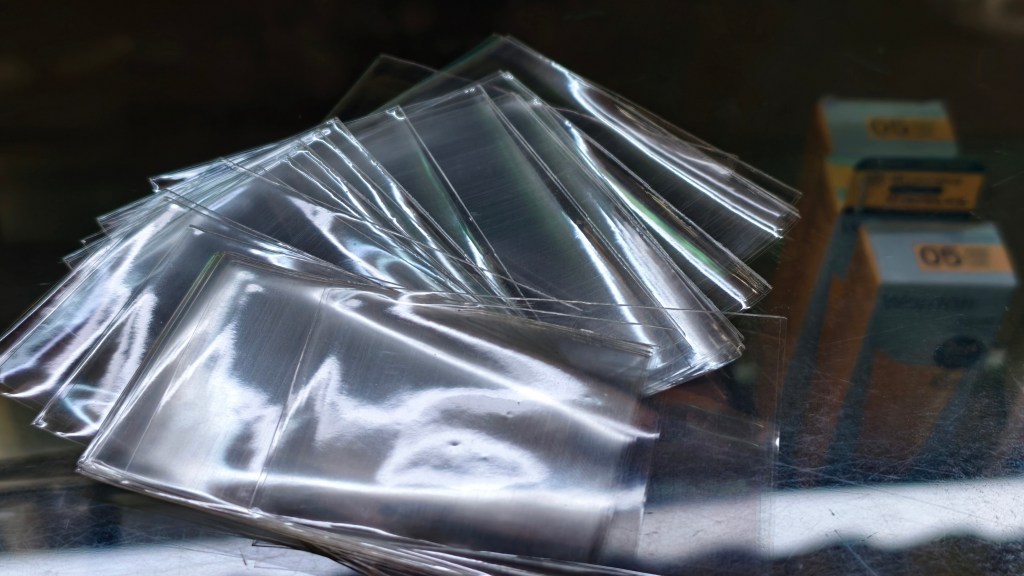
When it comes to preserving postcards, using neutral-pH sleeves and archival boxes is essential for maintaining the paper’s integrity. These storage solutions help keep the postcards stable while ensuring that moderate humidity and low light levels prevent warping and fading over time.
It’s important to avoid using PVC and pressure-sensitive tapes, as these materials can cause long-term damage to the postcards. Additionally, clear labeling of your storage boxes and sleeves makes future sorting and research much easier.
Display Ideas: Frames, Rotating Rails, and Album Spreads
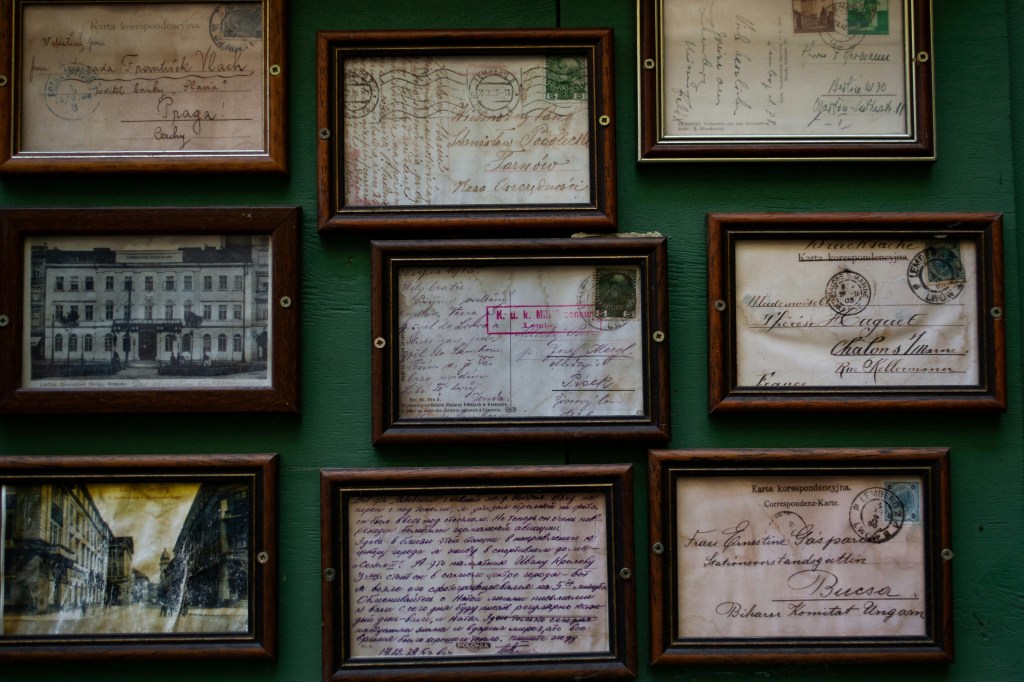
When showcasing postcards, use protective glazing and acid-free mats to preserve their condition and prevent damage. Incorporating ledges or rails can facilitate easy rotation of the showcased pieces, allowing for seasonal or thematic updates.
Additionally, organizing albums by town, route, or topic encourages browsing and engagement, all while protecting the cards from harmful sunlight exposure. Vintage postcards can be creatively displayed in sleeves that accentuate their charm, offering viewers a glimpse into history while ensuring their longevity.
Building a Cohesive Collection: Sets, Series, and Stories
Series-based runs, which involve hotels, highways, and expositions, along with narrative themes such as migration and hometown changes, create an engaging structure for postcard collecting that encourages exploration.
Over time, the mix of images, messages, and postal marks ultimately crafts a compact visual history that reflects personal journeys and broader societal shifts. Collecting topical postcards, especially travel and view cards, enriches the experience and curates meaningful collections that celebrate the art of postcards and the stories they convey.
Spotting Reprints and Later Issues
In the world of postcard collecting, recognizing the era of a postcard is crucial for maintaining authenticity and historical accuracy.
Key indicators include the brightness of paper, which may reveal whether a postcard is a modern reproduction of an older design. Keep an eye on contemporary fonts and pixelated halftones, as these elements can indicate reproduction printing. Examining publisher marks and stamp boxes can further pinpoint the production period, helping collectors distinguish genuine vintage items from reprints.
Additionally, assessing the condition and applying proper grading standards helps evaluate a postcard’s value and significance within a vintage-focused collection.
Cataloging and Research: Simple Systems That Pay Off
Keeping detailed records of collectibles is essential for any serious collector. Tracking basic information, such as location, date, postmark, publisher, series number, and notes, can significantly speed up the valuation process and help minimize duplicate purchases.
Additionally, taking photos of both the front and back of items creates a valuable reference that is easy to share when trading or looking for further information. Cataloging details, such as publisher marks, stamp boxes, postmarks, and cancellations, not only enhance organizations.
International Perspectives: Beyond Local Views
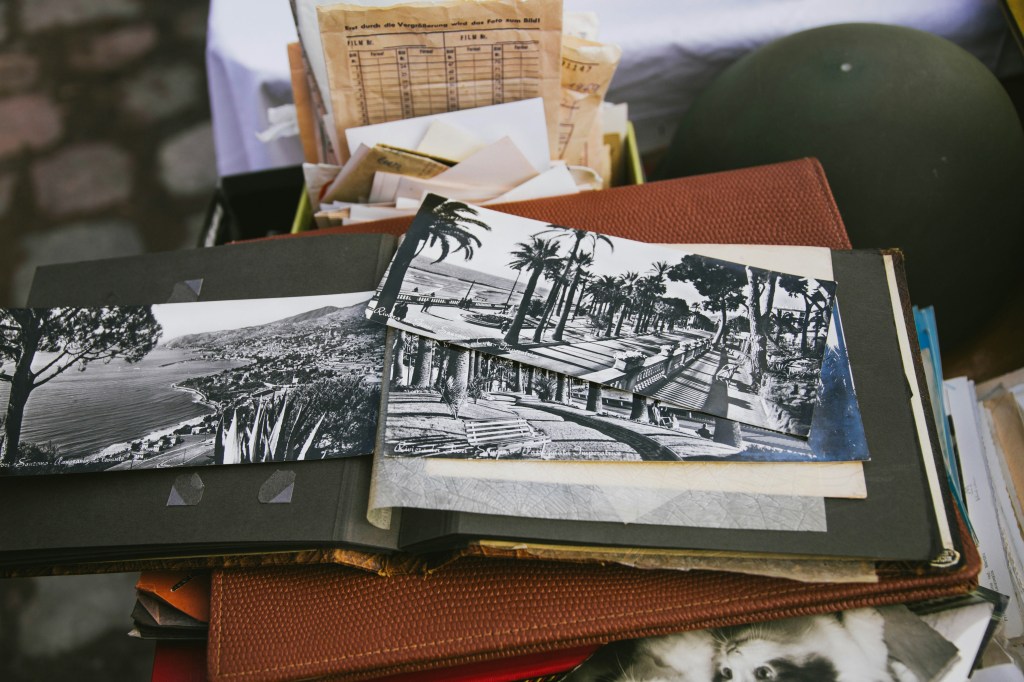
Postcards from abroad showcase a diverse range of printing aesthetics, reflecting the unique postal conventions and urban landscapes of their origins.
By blending local and international imagery, these cards illustrate how different places have marketed themselves to travelers throughout history. From the vibrant colors of vintage postcards to the era-specific designs that capture the essence of their time, travel cards serve as visual mementos. They invite us to explore the evolving perceptions of destinations, offering a glimpse into the cultural and historical contexts that shaped them.
Enjoying the Hunt Without the Rush
The postcard market offers an array of choices, making it an accessible hobby for many collectors. With relatively low entry costs, beginners can easily immerse themselves in the hobby. Those with patience and curiosity may stumble upon the rewarding treasures. Collecting postcards opens a window to the past by inviting collectors to delve into the values of vintage postcards.
Sources
https://www.wikihow.com/Collect-Postcards
https://travellemming.com/perspectives/collect-travel-postcards/
https://www.bcwsupplies.com/blog/2023/04/25/how-to-collect-and-store-vintage-postcards/
https://www.gadsdentimes.com/story/lifestyle/columns/2022/06/09/postcard-collection-david-murdock-discusses-hobbby/7557610001/
https://antique-collecting.co.uk/2021/08/12/guide-to-collecting-postcards/
https://www.numismaticnews.net/paper-money/have-you-ever-heard-of-deltiology
https://www.npr.org/sections/pictureshow/2023/01/09/1133372930/postcard-collector-donald-brown-amassed-hundreds-of-thousands-over-eight-decades
https://siarchives.si.edu/history/featured-topics/postcard/postcard-history
https://exhibitions.lib.umd.edu/postcards/postcard-eras
https://www.playle.com/realphoto/
https://en.wikipedia.org/wiki/History_of_postcards_in_the_United_States
https://www.britannicauctions.com/blog/rppc-postcards/
https://mailseum.com/a-complete-guide-to-collecting-and-valuing-old-postcards/
https://newhobbying.com/how-to-start-collecting-postcards-a-beginners-guide/
https://startstampcollecting.com/stamp-collecting-guides/the-complete-guide-to-postmarks/
https://siarchives.si.edu/history/featured-topics/postcard/dating-postcards
About Collectibles Insurance Services
Collectibles Insurance Services has been protecting collections since 1966 and all coverage is provided by a carrier with a group rating of “A” (Excellent) by AM Best, the leading rating agency for the insurance industry.
Comprehensive coverage includes, but is not limited to: accidental breakage, burglary, fire, flood, loss in the mail, theft, natural disasters, and other causes of loss unless specifically excluded from the policy. Deductibles start at $0 for collector policies and we provide coverage for the market value of your collection for losses in excess of $50.
Additionally the protection extends At home and away, and we don't require collection itemization and serial number nor extensive paperwork and red tape.