
Essential Guide to Insuring World War I Memorabilia for Collectors
Essential Guide to Insuring World War I Memorabilia for Collectors
Learn how to effectively insure your World War I memorabilia, protecting your valuable collection from loss or damage. Read the essential guide now.
The Enduring Allure of WWI Relics
A century later, Great War artifacts remain powerful touchstones of personal sacrifice and industrial innovation. This enduring significance has sparked a vibrant market for military memorabilia, ranging from trench art to battlefield helmets. This guide explores current trends in the valuation of WWI artifacts, highlights valuable pieces for collectors, and offers insights on preserving these historical treasures for future generations, including the importance of specialty insurance. Join us in uncovering the lasting impact of WWI memorabilia in today’s society.
Auction Highs and Market Trends
In World War I collectibles, six-figure hammer prices for named medal groups and regiment-marked firearms highlight the increasing value driven by scarcity and provenance. The demand for war memorabilia remains steady even as the broader antiques markets experience fluctuations. Collectors and investors are drawn to these unique pieces due to their rarity, which translates into higher prices at auctions.
Victoria Cross military medals
Among the most coveted military decorations is the Victoria Cross Medal, which can command prices up to $250,000. This prestigious award was granted to members of the Commonwealth forces and is highly sought after due to its limited availability. Approximately 1,300 have been awarded throughout history.
Firearms and military uniforms
Regimentally-marked firearms also hold considerable value, often appealing to serious collectors. Depending on their condition and historical significance, these firearms can range from $1,000 to $5,000. Additionally, field uniforms add depth to World War I collectibles. A noteworthy example includes original Austro-Hungarian WWI General uniforms, which can be worth up to $6,000, and Imperial German World War I helmets.
Market trends
The market trends for military collectibles show intriguing shifts. Service medals have gained popularity recently, appealing to newer collectors who begin their collection with these accessible items. British service medals are prevalent in the market and come with official grading, which adds to their appeal. Meanwhile, regiment-marked firearms and weapons, such as fighting knives and officer swords, ranging from $1,000 to $4,000, continue to attract interest. Field uniforms are also in demand, offering collectors a tangible link to the soldiers who wore them during the First World War.
Medals, Badges, and Personal Effects: Small Treasures With Big Stories
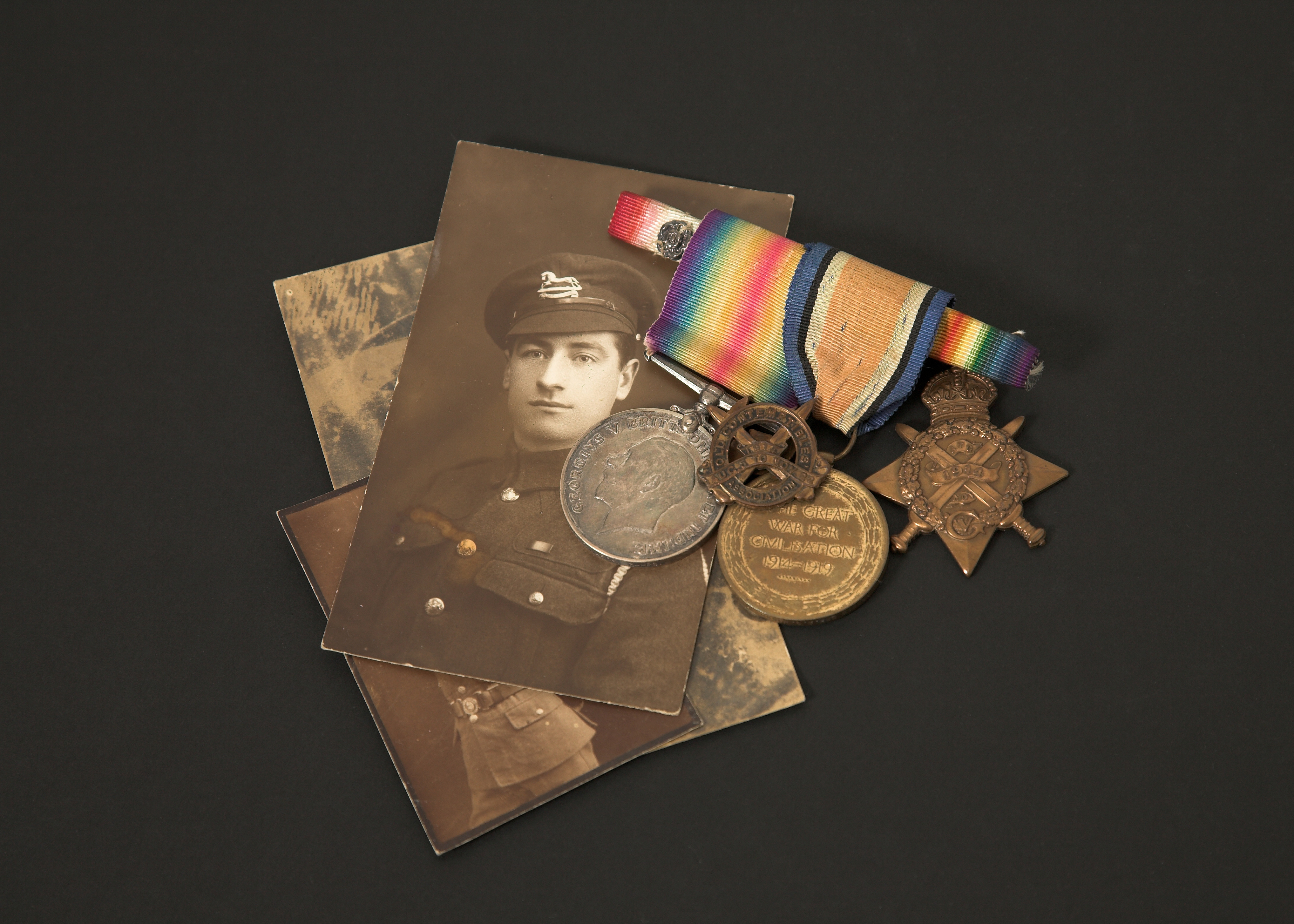
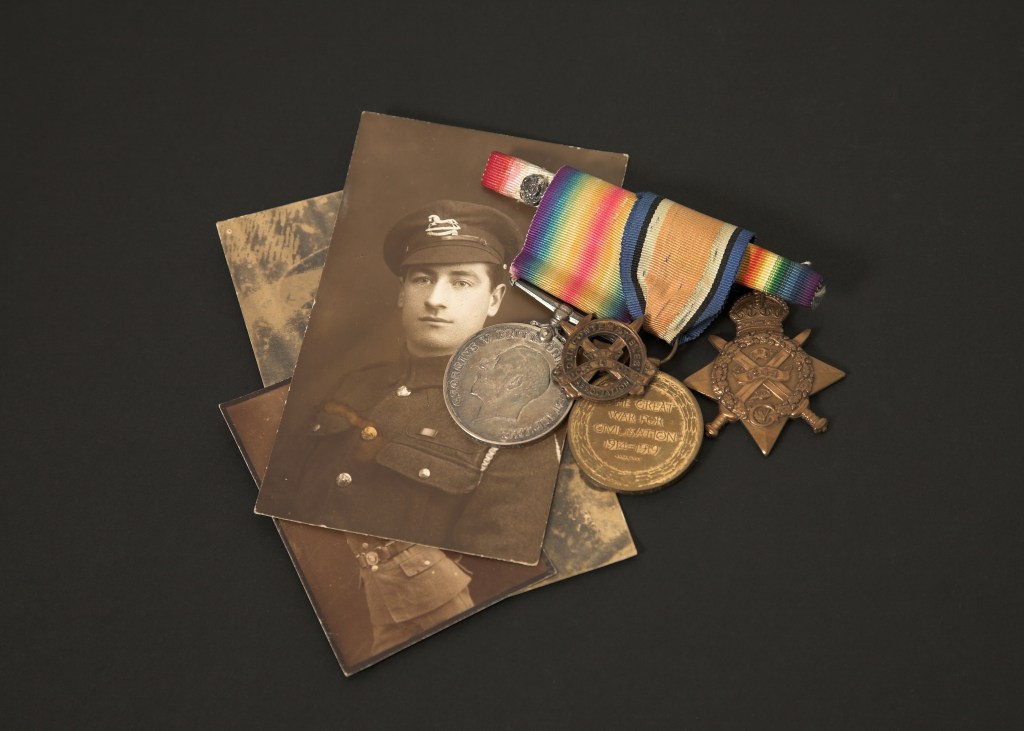
Named victory medals, sweetheart brooches, and officers’ ID tags carry a profound emotional significance tied to individual service records. This emotional weight underscores the importance of conducting detailed research to ensure the historical value of war memorabilia.
Understanding historical context
A general understanding of significant historical events during World War I is vital, as it provides the necessary context for key elements such as war materials, technological advancements, and types of military equipment. This knowledge will empower collectors to make informed decisions and appreciate the historical significance of their items.
Significant historical events
Delving into the conflicts and battles of World War I offers valuable insights into what was used during these tumultuous times. Understanding the context of specific battles aids collectors in identifying the equipment utilized, thus allowing for a more nuanced appreciation of their collections. This background knowledge contributes significantly to the overall value and understanding of military artifacts.
Military items
Researching the equipment used during World War I helps differentiate between the tools and uniforms from various conflicts. Key items, such as weapons and ID tags, can provide detailed information about the specific time and place of service.
Service medals
Familiarity with prestigious military medals can greatly aid collectors in making informed choices when searching for World War I medals. Recognizing the significance of accolades will enhance your ability to identify genuine items of value and understand their historical importance. Knowledge of awards helps in assessing the market value.
Military experience
Lastly, exploring keepsakes from World War I reveals the human side of the military experience involving soldiers, their families, and sweethearts. This provides a deeper understanding of the emotional connections that these artifacts represent.
Trench Art and Battlefield Curios: Authenticity Matters
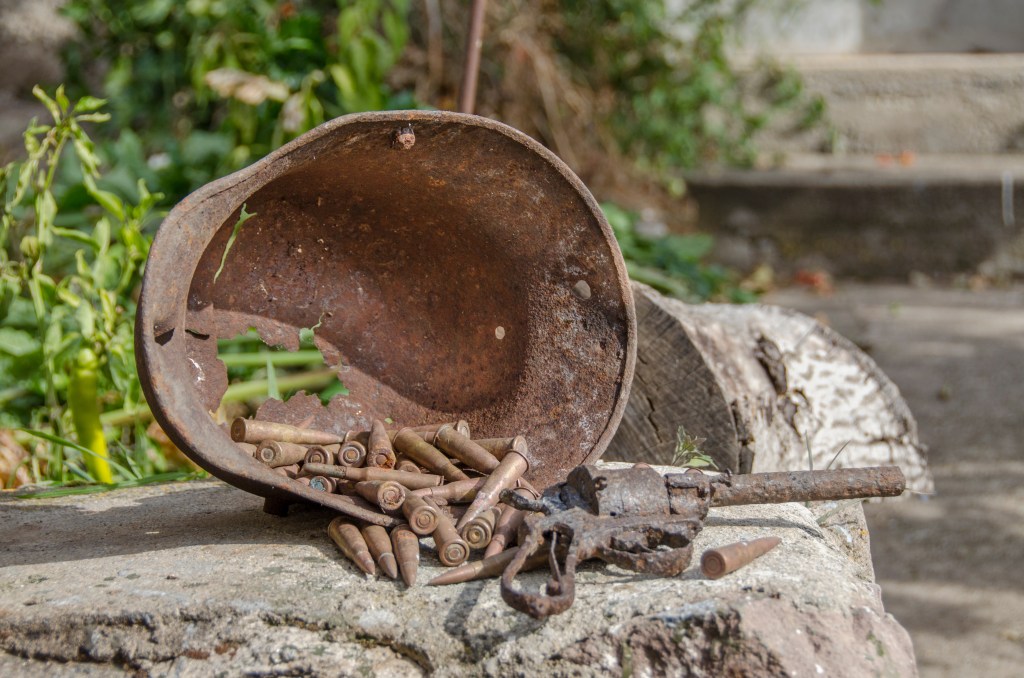
For those venturing into the world of collecting war memorabilia, shell-case vases, carved bullet lighters, and Stalag cigarette cases offer appealing entry points. These unique items reflect the artistry of the time, offering a unique window into the past and providing insight into the lives of soldiers and civilians during wartime.
The importance of authenticity
As you embark on your collecting journey, authenticity is crucial to avoid acquiring tourist pieces that lack genuine historical value. Distinguishing real artifacts from replicas requires a keen eye. Always be vigilant about verifying maker markings and the front-line origins of the items you consider adding to your collection.
Key identification tips
Look for discernible maker marks, often indicating the item’s origin and craftsmanship. Familiarizing yourself with these markings can significantly enhance your collecting experience and help you build a genuine collection.
Resources for collectors
Leverage available resources such as books, archives, and museums to deepen your knowledge and skills in authenticating military collectibles. Institutions like the Imperial War Museum offer invaluable insights and expertise that can guide you to uncover genuine relics.
Preserving Uniforms, Weapons, and Documents
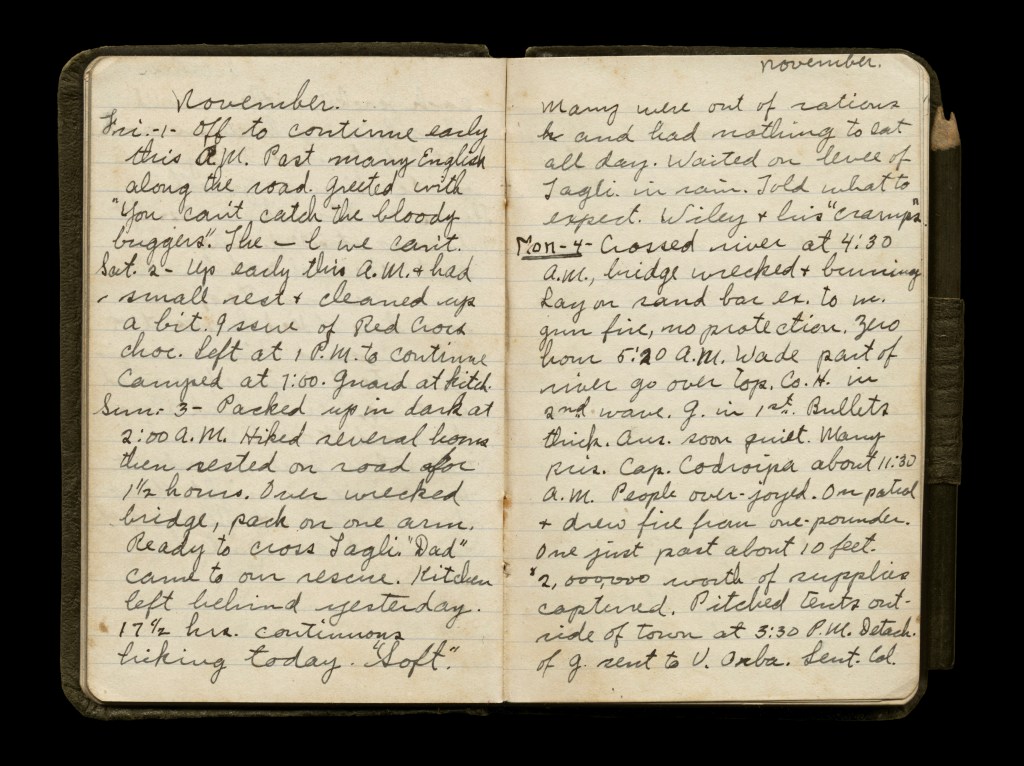
Preserving Great War memorabilia, including Wool tunics, Lee-Enfield rifles, and field diaries, demands different care regimes, specialized care, and attention to ensure their longevity and integrity for future generations.
Military uniform preservation
Preserving World War I uniforms requires meticulous care routines and the use of special storage materials. Before bringing a WWI garment home, check to see if it’s in good condition and for any signs of pests and dust.
- Storage: When selecting storage materials, opt for acid-free and archival supplies. Wrap the uniforms in acid-free tissue and store them in acid-free boxes to protect against damage. Avoid hanging the uniforms on wooden, wire, or plastic hangers, as these can stain and damage the fabric. Knitted garments should be hung to maintain their shape without stretching. Many collectors prefer using padded dress forms for an elegant and safe display.
- Display: Uniforms should be kept away from direct sunlight and placed in a temperature—and humidity-controlled environment. Avoid storing them in basements, attics, or garages, as these areas typically experience the most temperature fluctuations.
For a more detailed guide on preserving garments, you can check out our blog, “Storing & Displaying Vintage Clothing.”
Protecting firearms and weapons
Antique firearms and weapons also necessitate special storage and preservation methods.
- Storage: These items are particularly vulnerable to humidity, leading to corrosion and rust. Therefore, storing firearms and knives in a humidity-controlled environment is crucial to ensure their longevity and maintain their historical integrity.
For more insights, explore some blogs on our sister site, 1776 Insurance, such as “Historical Firearms: Stories Behind the Guns” and “Antique Knife Restoration: Preserving History.”
Preserving documents
Proper care and storage are equally important for preserving historical documents.
- Storage and Display: Always handle documents carefully and keep them in a temperature-controlled environment, away from direct sunlight. Store these important pieces of history using acid-free materials. Consider having the documents professionally framed using UV-filtering glass and appropriate mounting materials for display.
If you’re looking for an in-depth guide to document preservation, check out our blog “Best Practices for Preserving Antique Historical Documents.”

Appraisals and Provenance: Building a Bullet-Proof Paper Trail
When it comes to collecting, ensuring the value and authenticity of your items is crucial. Proper documentation is key to preserving the history and worth of your artifacts, especially in specialized areas such as WWI memorabilia.
Importance of documentation
Professional valuations, service records, and high-resolution photographs are essential components that document an item’s story and market worth. This vital data plays a crucial role in whether you are buying, selling, or preparing to file any future claims related to your collection. In the realm of collecting, especially with items like WWI artifacts, maintaining a thorough documentation process can significantly impact the value and security of your items.
Documenting your collection
To effectively manage your war memorabilia collection, keeping a detailed spreadsheet that includes relevant information is important. Your records should encompass any professional valuations, service records, purchase details (including where you bought the item, how much you paid, and the date of purchase), current market value, and any provenance and historical significance linked to the artifacts. Additionally, you should include high-resolution photographs and documents such as Certificates of Authentication. It’s also wise to keep physical copies of these documents, and don’t forget to scan them for digital backups!
Accurate information
Comprehensive and accurate documentation serves multiple purposes in the world of collecting. It provides valuable data for buying and selling your items and proves indispensable for insurance purposes, particularly when filing claims. Knowing the provenance and history of your artifacts can protect your investment and help you make informed decisions.
Insuring World War I Memorabilia: Coverage That Marches With Your Collection
Standard homeowners’ policies may limit payouts or exclude historic items, leaving valuable collections at risk. For collectors of World War I memorabilia and other antiques, specialty coverage may be tailored for medals, weapons, and documents, protecting against theft, fire, water damage, and transit losses while ensuring true replacement costs for irreplaceable items.
At Collectibles Insurance Services, founded by collectors in 1966, we provide tailored insurance solutions to safeguard your collection against theft and damage. Our coverage keeps your items secure at home and while traveling, allowing you to preserve history and enjoy your passion without worry.
Sources
https://www.artsandcollections.com/revealed-the-most-valuable-world-war-i-memorabilia/
https://financebuzz.com/valuable-military-war-memorabilia
https://www.ksdk.com/article/news/local/world-war-one-memorabilia-destroyed-fireworks/63-6cb201de-e9f4-40e4-a9cb-6ff65c50620f
https://www.thisismoney.co.uk/money/news/article-2698307/Centenary-sparks-WWI-memorabilia-price-war-But-experts-warn-collectors-check-insurance.html
https://prestigeestateservices.com/blog/military-memorabilia-the-ultimate-guide-for-2024/
https://alts.co/investing-in-war-memorabilia/
https://www.nps.gov/articles/000/-why-keep-that-examining-wwi-through-memorabilia.htm
https://www.ima-usa.com/collections/wwi-military-antiques
About Collectibles Insurance Services
Collectibles Insurance Services has been protecting collections since 1966 and all coverage is provided by a carrier with a group rating of “A” (Excellent) by AM Best, the leading rating agency for the insurance industry.
Comprehensive coverage includes, but is not limited to: accidental breakage, burglary, fire, flood, loss in the mail, theft, natural disasters, and other causes of loss unless specifically excluded from the policy. Deductibles start at $0 for collector policies and we provide coverage for the market value of your collection for losses in excess of $50.
Additionally the protection extends At home and away, and we don't require collection itemization and serial number nor extensive paperwork and red tape.