
Fire-Resistant Displays: Using Flame-Retardant Materials for Extra Protection
Fire-Resistant Displays: Using Flame-Retardant Materials for Extra Protection
Discover the best fire-resistant displays to safeguard your collectibles. Protect your treasures with our expert recommendations. Read more to learn how!
Fire-Resistant Displays for Collectibles: Why Display Safety Matters
Displaying collectibles allows collectors to enjoy, share, and showcase the pieces they value most, but display choices can also create avoidable risks. Heat, lighting, unsafe materials, moisture, theft, and accidental handling can all affect a collection’s condition over time. Fire-resistant displays, safer storage materials, and thoughtful placement help collectors add another layer of protection while keeping treasured items visible and accessible.
By understanding how display materials and fire-safety features work, collectors can make smarter choices that support both preservation and presentation. Read more to learn how to build a safer, more protective display strategy for your collection.
Flame-Resistant vs. Flame-Retardant: Understanding the Difference
These types of materials are often discussed together, but they serve different purposes. Flame-resistant materials are designed to resist ignition, while flame-retardant materials are treated to slow the spread of flames. Knowing the difference can help collectors choose display materials and storage solutions that match the level of protection their items need.
What fire-resistant means
Fire-resistant displays are engineered to help protect against extreme heat, smoke, and moisture. These materials and systems are designed to act as a barrier, helping keep internal temperatures below ignition points for a period of time. Fire-resistant systems may include both passive and active protection features. Built-in physical barriers, for example, can help limit the spread of fire and smoke without requiring activation. In simple terms, fire-resistant materials are designed to deter and slow the spread of flames.
What fire-retardant means
Fire-retardant materials are typically treated to slow burning, encourage self-extinguishing, and reduce smoke. Depending on the item’s material and whether the treatment is safe to use, fire-retardant options may be applied to certain display or storage components. Unlike fire-resistant materials, fire-retardant materials are primarily intended to slow the flame rather than stop it entirely. This distinction is important when deciding how to protect valuable collectibles on display or in storage.
Choosing Safer Display Materials
When choosing display materials, collectors should look for stable, durable options that suit the specific item they plan to store or display. Museum-style display practices often prioritize materials that avoid harmful chemical reactions while reducing physical and environmental risks.
Security cases
High-security display cases add another layer of protection by using reinforced glass or acrylic, sturdy construction, and advanced locking mechanisms. Some cases may also include alarm systems that help businesses, galleries, museums, and collectors protect valuable items from theft, mishandling, and accidental damage. Certain specialized museum-grade plastics are designed to be self-extinguishing, in contrast to standard plastics that melt quickly.
Why material safety matters
A display case should protect the collectible without introducing new risks. Certain materials can interact with paper, metal, fabric, or mixed-media collectibles over time, causing discoloration, corrosion, or deterioration. If the material inside the case is not safe for the collectible, even a secure display may fall short.
- Materials to Avoid: Collectors should avoid materials that rust or rely on coatings that may cause chemical reactions. They should also avoid materials that release gases as they break down, including some plastics, rubber, sealants, and other unstable components.
- What to Look for Instead: For safer long-term storage and display, choose archival-quality, acid-free materials and display cases that meet museum-quality standards. These choices can reduce environmental and chemical risks while supporting a more protective display setup.
An Extensive Selection Helps Match the Display to the Collection
There is no single display case, cabinet, stand, safe, or storage box that works for every collection. Collectors may need an extensive selection of sizes, materials, locks, shelves, lighting options, and fire-safety features to match different use cases. A small coin collection, a few documents, an extensive collection of sports memorabilia, and a store full of merchandise may each need a different solution.
The major downside of choosing a case too quickly is that the display may look good while failing to protect the items inside. Cardboard, unstable plastics, untreated wood, and other materials can introduce risks over time, while undersized cases may crowd items together and increase the chance of bumps, pressure, or breakage. A better approach is to compare durability, security, fire resistance, visibility, and storage space before deciding what belongs on display and what should be stored elsewhere.
Secure Glass Display Cases and Fire-Safety Benefits
Glass display cases give collectors a practical way to showcase prized items while helping protect them from dust, handling, and some environmental exposure. The right case can support both presentation and preservation, especially when collectors choose secure construction and place the display thoughtfully.
Display solutions
For many collectors, display plays a major role in the enjoyment of owning a collection. After investing time, care, and money into building a collection, collectors often want to make those items a focal point. Glass displays can help accomplish that goal, but not all cases offer the same level of protection. Even a high-quality display can create risk if collectors place it near heat, direct sunlight, heavy foot traffic, or other hazards.
Enhanced security
High-quality glass display cases can also improve security and deter theft. Tamper-resistant glass, sturdy construction, and locking mechanisms help limit unauthorized access, provide theft protection, reduce the risk of accidental damage, and protect collectibles from avoidable environmental exposure.
Preservation and functionality
A well-chosen case can support long-term preservation by helping shield collectibles from UV light, humidity, temperature fluctuations, dust, and frequent handling. These features matter most when collectors display sensitive materials, such as paper, fabric, artwork, or mixed-media items. Glass display cases also add functionality by combining visibility with protection. They allow collectors to enjoy and share their collections while creating a more secure, organized, and preservation-focused display setup.
Fortress Display and Other High-Security Display Options
For collectors, dealers, museums, gun stores, retail stores, and galleries, a high-security display case can do more than highlight valuable merchandise. It can also help prevent theft, limit direct contact, reduce accidental handling, and support a stronger loss prevention strategy. When customers see that historical artifacts, collectibles, or other valuable pieces are protected in a secure case, the display can reinforce trust while helping preserve the item’s condition and value.
Fortress Display and similar high-security case systems may be suitable for collections that need both visibility and protection. These types of cases can be especially helpful when an extensive collection includes valuable merchandise, firearms collectibles, rare documents, coins, jewelry, or fragile objects that should not be handled casually. The ideal solution depends on the value of the inventory, the size of the display space, the risks involved, and the level of public access.
Fire-Rated Safes and Cabinets for High-Value Items
Fire-rated safes and cabinets protect their contents for a defined period during a fire. They work especially well for documents, paper collectibles, coins, jewelry, and smaller high-value items that collectors may not always keep on display.
Fire-rated safes for collectibles
Many fire-rated safes use passive protection features to defend valuable items. Double-wall construction, intumescent seals, and heat-activated materials can release water vapor as temperatures rise, helping to cool the interior and reduce the risk of damage. Airtight sealing also helps protect sensitive items from smoke damage. Smoke can corrode metals, stain papers, and leave lasting residue, so collectors should choose cases or safes that limit smoke exposure as part of their fire-safety plan.
For some small, high-value items, a safe deposit box at a local bank may be worth considering. This can be useful for documents, coins, jewelry, certificates, and other compact items that do not need regular access. However, a safe deposit box is not the ideal solution for every collection. Larger objects, fragile materials, frequently displayed items, or pieces that need climate-specific care may be better suited to a properly rated home safe, professional storage facility, or specialized storage space.
Fire protection
Independently verified organizations, such as UL or ETL, typically rate fireproof safes. Common ratings may indicate 30 minutes of protection at 1550°F, while higher-rated models may offer longer protection periods. During a house fire, temperatures can peak around 2000°F. Fireproof safes help keep internal temperatures below critical levels, often under 350°F, so collectors can give important items a better chance of surviving a fire event.
Protecting Documents, Paper, and Small Collectibles
Paper-based collectibles face serious risks from heat, smoke, and water used during firefighting. Collectors can reduce the chance of total loss by storing these items in fireproof document storage, archival folders, and properly rated safes.
How to protect valuable documents
For documents, paper collectibles, and small valuables, choose a fire-resistant safe designed specifically for those materials. The right safe helps protect items from fire, theft, and water damage while keeping important pieces organized and accessible. Fireproof envelopes or bags can provide additional protection alongside a fire-rated safe. Look for options made with materials that withstand high temperatures and fit the size and sensitivity of the items you need to protect.
Digitize your documents
Collectors should also take a proactive approach by digitizing important documents and storing copies on a secure cloud-based server. In the event of fire damage, having digital backups helps preserve key records even if the original paper records are damaged.
Moisture Control Inside Fireproof Safes
Fireproof safes help protect collectibles from fire, but they can also trap humidity. Collectors should manage moisture carefully to protect paper, metal, wood, artwork, and mixed-material collectibles from mold, corrosion, warping, and deterioration.
Keep humidity in a safe range
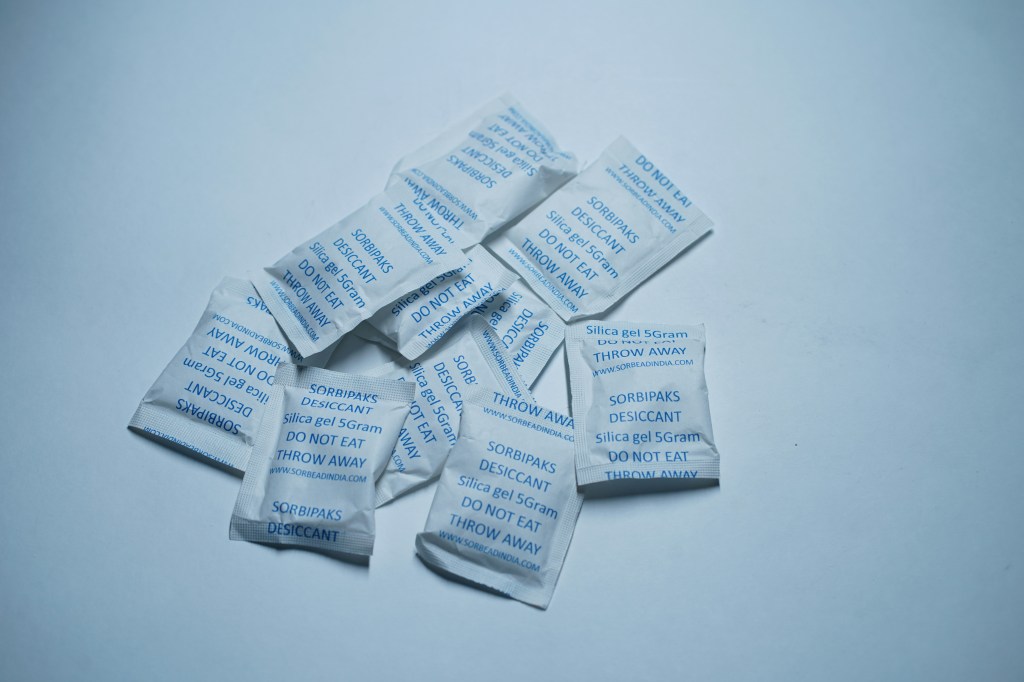
Humidity can be an issue with fireproof safes, as they tend to trap moisture, which can damage contents; manufacturers often recommend airing out safes regularly to mitigate this risk. Maintain indoor relative humidity below 60% for long-term preservation. For many collectibles, an ideal range of 30% to 50% relative humidity helps prevent mold and fungal growth. Collectors can use desiccants, such as silica gel, to absorb excess moisture inside safes or storage bins and add a mini dehumidifier when extra moisture control is needed.
Avoid plastic storage
Avoid plastic storage materials inside safes because plastic can trap condensation. Instead, choose breathable, archival-quality materials that help protect sensitive items without increasing moisture risk.
Match humidity levels to the collectible
Different collectibles need different humidity ranges.
- Paper, photos, and trading cards require steady moisture control to preserve their structure and prevent deterioration. The Library of Congress recommends keeping acidic paper, such as the paper commonly found in comic books, at approximately 35% relative humidity. Photographs typically do well in a 30% to 40% range, while archival cold storage may use lower humidity levels.
- Artwork also benefits from stable humidity. Collectors should keep many artworks in an environment around 40% to 60% relative humidity, while fine art and paintings often benefit from a narrower 45% to 55% range. Stable conditions help reduce the risk of warping, mold growth, and paint flaking.
- Wooden collectibles, including furniture, need enough moisture stability to prevent cracking and splitting. A 40% to 60% relative humidity range helps preserve both the appearance and structure of wood items over time.
- Jewelry and metal collectibles often need lower humidity levels. Keeping humidity around 30% to 45% helps reduce tarnishing, rust, and corrosion so metal items retain their condition and shine.
Choosing the Right Size for Your Display or Safe
Choosing the right size is essential because overcrowding can create avoidable risk. Items need enough space to stand securely, avoid pressure, and remain easy to inspect without unnecessary handling. A case that is too small may save space at first, but it can increase the chance of accidental damage if objects are pressed together, stacked, or difficult to remove.
For larger collections, it may be better to separate items by value, material, and access needs. Display the pieces you want to enjoy or share, and store the most fragile or high-value items in a fire-rated safe, secure cabinet, safe deposit box, or controlled storage space. The right size should protect the collection, keep important items covered, and allow collectors to access their stuff without creating new risks.
Placement Matters: Where to Put Fire-Resistant Displays
Placement plays an important role in how well a fire-resistant display protects a collection. Even the highest-rated display can lose effectiveness if collectors place it near common hazards, such as heaters, direct sunlight, overloaded outlets, candles, HVAC vents, or high-traffic areas where bumps and impacts are more likely.
Collectors can reduce preventable risks by choosing safer display locations. Interior rooms often offer a better option than areas near exterior walls or windows because they can help limit exposure to temperature fluctuations, sunlight, and outdoor environmental changes.
Elevation also helps protect displayed collectibles. Place cases at least three inches off the floor to reduce exposure to minor flooding, cleaning water, and floor-level moisture. With thoughtful placement, collectors can strengthen the protection their fire-resistant displays already provide.
Balancing Visibility, Security, and Protection
Collectors often need to balance the joy of display with practical risk management. A well-planned display should allow collectors to enjoy and share their favorite pieces while still reducing exposure to fire, theft, handling, light, dust, humidity, and accidental damage. Secure glass cases, archival-quality materials, thoughtful placement, and fire-rated storage for the most valuable or vulnerable items can work together as part of a layered protection strategy. Instead of relying on one solution, collectors should consider how each choice supports the overall safety of the collection.
Building a Fire-Safe Collection Plan
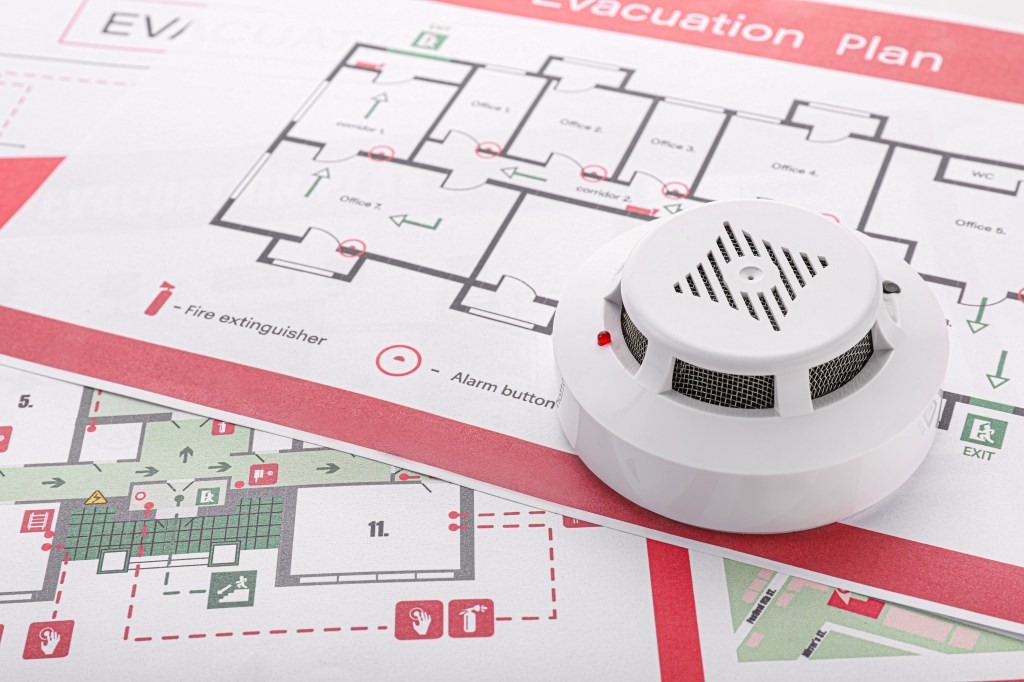
Protecting a collection takes more than one fire-resistant material or display choice. Collectors can build a stronger fire-safe plan by combining prevention, secure display methods, properly rated storage, moisture control, documentation, smoke detection, and emergency preparedness. By understanding which items need the highest level of safeguarding and making thoughtful choices before a loss occurs, collectors can better preserve the value, condition, and enjoyment of the pieces they care about most.
This article is intended for informational purposes only. Collectibles Insurance Services, LLC, its parents, affiliates, and anyone connected with them are not responsible or liable in any way for your use of the information contained in or linked to from this article. Reliance on the information provided in this article is solely at your own risk. If you have questions about any of the topics addressed in the article, please contact a subject-matter expert.
FAQ
What is the difference between flame-resistant and flame-retardant display materials for collectibles?
Flame-resistant materials are designed to resist ignition, while flame-retardant materials are treated to slow burning or reduce the spread of flames. Both can play a role in protecting collectibles, but they are not the same as a fire-rated safe or cabinet.
Collectors should also think about the materials inside the display. A case may look secure, but cardboard, unstable plastics, rubber, untreated wood, or other materials can release gases, trap moisture, or damage sensitive objects over time. The safest display setup balances fire protection, durability, visibility, security, and preservation.
Are fire-rated safes safe for long-term storage of paper, coins, or mixed-material collectibles?
They can be useful, but they need to be managed carefully. Fire-rated safes can help protect documents, coins, jewelry, and small collectibles from fire and theft, but they may also trap humidity. Moisture can damage paper, metal, wood, photographs, and mixed-material objects if the safe is not aired out or monitored.
Use archival folders, breathable materials, and moisture-control tools such as silica gel when appropriate. Avoid crowding items together, and make sure the safe is the right size for the collection. For especially valuable or fragile items, collectors may also want to compare a home safe, secure cabinet, storage facility, or safe deposit box at a local bank.
Where should collectors place fire-resistant display cases to reduce preventable fire risk?
Fire-resistant display cases should be placed away from heaters, fireplaces, overloaded outlets, candles, direct sunlight, vents, exterior walls, and high-traffic areas. Elevating cases off the floor can also help reduce exposure to minor flooding, cleaning water, and floor-level moisture.
Placement should also account for theft and handling risk. In homes, stores, museums, and galleries, the display should limit direct contact while still allowing safe visibility. For retail stores, gun stores, or spaces with valuable merchandise, high-security display cases can support customer trust and help prevent losses as part of a broader security plan.
Sources
https://www.nytimes.com/wirecutter/reviews/best-fireproof-document-safe
https://www.fortressdisplay.com/
https://solink.com/resources/industry-insights/high-security-display-cases
https://www.subastralinc.com/display-cases/countertop-display-cases.html
https://www.antiquetrader.com/collecting-101/fire-protect-collectibles
https://obsidianmfg.ca/secure-glass-display-cases-for-collectibles/
https://www.museumsgalleriesscotland.org.uk/advice-article/introduction-to-storage-and-display-materials/
https://www.displays2go.com/Article/Flame-Resistant-Flame-Retardant-What-You-Need-Know-57
https://rolowaysafe.com/blogs/news/how-to-fireproof-documents-and-prevent-moisture-inside-a-safe
https://www.fireking.com/blogs/news/what-are-the-benefits-of-fire-rated-storage
https://www.lockssafesalarms.com/safes-tips/fireproof-safe/
https://www.firefree.com/blog/fire-resistant-vs-flame-retardant-whats-the-difference/
https://safenow.org/how-to-protect-important-documents-from-a-fire/
About Collectibles Insurance Services
Collectibles Insurance Services has been protecting collections since 1966 and all coverage is provided by a carrier with a group rating of “A” (Excellent) by AM Best, the leading rating agency for the insurance industry.
Comprehensive coverage includes, but is not limited to: accidental breakage, burglary, fire, flood, loss in the mail, theft, natural disasters, and other causes of loss unless specifically excluded from the policy. Deductibles start at $0 for collector policies and we provide coverage for the market value of your collection for losses in excess of $50.
Additionally the protection extends At home and away, and we don't require collection itemization and serial number nor extensive paperwork and red tape.