
Minimizing Wear and Tear: Using Your Collectibles Without Devaluing Them
Minimizing Wear and Tear: Using Your Collectibles Without Devaluing Them
Learn essential tips to preserve your collectibles while enjoying them. Keep your treasures safe and in top condition—read the article for expert advice!
Using Collectibles Without Damaging Them: Finding the Balance
Collectors often face a unique dilemma: should they use their cherished items or keep them safely stored away? This balancing act between enjoyment and preservation can be challenging. Collectibles should be appreciated beyond display, and responsible use involves proper handling, storage, and display. It is also about understanding how proper care, security measures, documentation, and collectibles insurance work together to protect long-term value.
Many collectors want to enjoy their collections now while preserving them for descendants, future buyers, museums, or the public. A current inventory list, careful storage, and the right insurance policy can assist collectors in reducing risk from damage, theft, loss, and unexpected repair needs. It’s important to maintain their condition to retain their value. Collectors can still use these items thoughtfully without compromising their integrity. By understanding the effects of wear and tear and adopting proper handling techniques, collectors can navigate the delicate balance between enjoyment and preservation. This approach ensures that their valuable collections remain both loved and protected.
While we offer tips, we recommend consulting a subject-matter expert for any specific guidance you may need.
Why Wear and Tear Matters for Value
Even minor wear can affect a collectible’s condition and long-term value. Scratches, fading, and repeated handling can gradually reduce desirability, especially for items where condition plays a major role in pricing.
Depending on the collectible, even a small scratch or subtle sign of fading can lead to significant devaluation. Sports cards, comic books, antiques, rare coins, stamps, and toys are vulnerable items since collectors seek pieces with minimal handling and top condition. Therefore, careful handling and proactive protection are crucial for preserving their appearance and value.
Handling Collectibles Safely During Use
Proper handling is one of the simplest ways to reduce damage and preserve a collectible’s condition over time.
Handling valuable collections
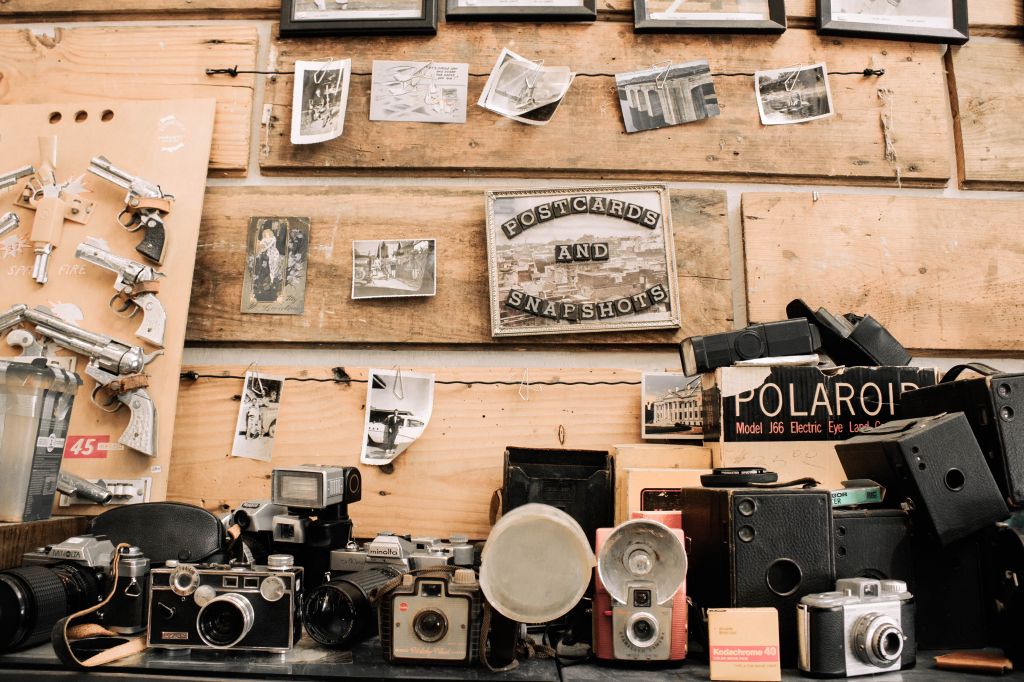
Clean hands, minimal contact with sensitive surfaces, and careful placement can help prevent unnecessary wear during use. Different types of collectibles may require different handling techniques. Rare coins should be handled by the edges or with lint-free gloves and stored in inert capsules. Comic books are best kept in Mylar sleeves and handled minimally, while video games should be in protective cases with limited handling.
Other collectibles, such as vinyl records and fine art, also need thoughtful care. Vinyl records should be stored upright in acid-free protective sleeves and kept in a temperature-controlled space. Paintings, prints, and similar pieces should be framed when appropriate and handled by the edges during routine checks. Using gloves may reduce dexterity, so extra care is needed when handling valuable items.
Cleaning collectible items
When cleaning collectibles, gentle methods are usually best. A soft brush can effectively remove dust without damaging surfaces or causing discoloration. For valuable or fragile items, it’s best to clean gently and minimize contact.
Displaying Items Without Increasing Risk
Display allows collectors to enjoy their items visually, but it can introduce risks such as light exposure and dust accumulation. Protective cases and thoughtful placement help reduce these effects.
Protect items from light exposure
Displaying collectibles enhances enjoyment but comes with risks like light exposure, dust, and accidental damage. Direct sunlight can quickly fade inks on rare currency and comic books, while UV light can cause irreversible fading and brittleness, particularly for items with delicate materials.
To help reduce this risk, avoid placing collectibles in direct sunlight or near windows whenever possible. If window placement is necessary, use UV-filtering shades or curtains to reduce exposure while still displaying items.
Choose protective display cases
Protective cases can help shield collectibles from dust, handling, and environmental exposure. When selecting a case, look for high-quality materials that offer UV filtering and impact resistance. Use museum-grade acrylic cases to display items and protect them from dust and physical damage. Reinforced corners can also provide added peace of mind in case of accidental bumps or drops.
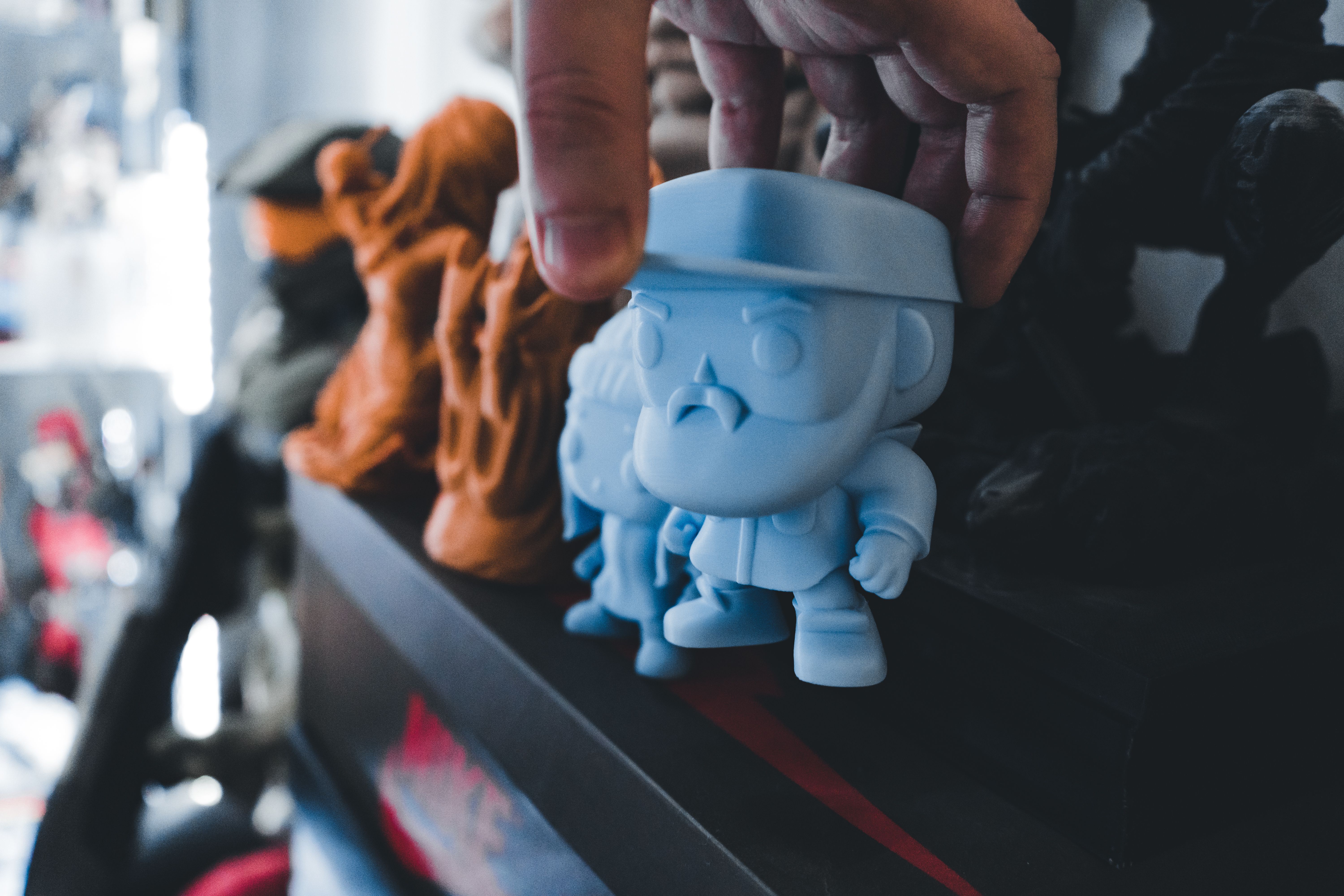
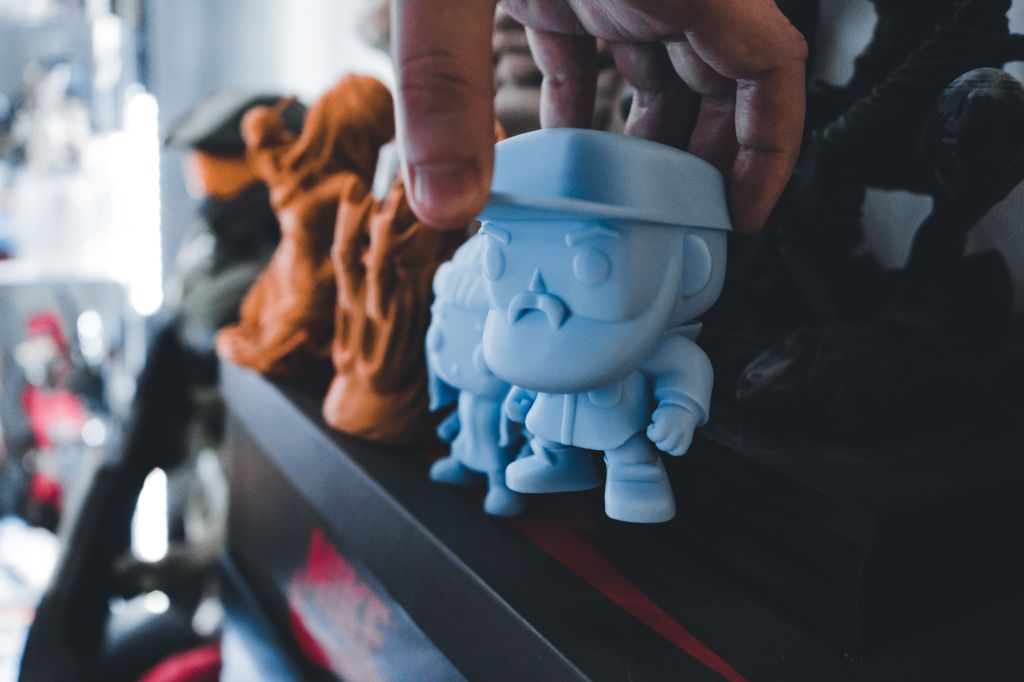
Acrylic display cases are another practical option because they protect collectible items while still allowing full visibility. They are ideal for showcasing original packaging, memorabilia, figurines, trading cards, and toys while minimizing handling.
Give each collectible enough space
Avoid over stacking or cramming collectibles into one display area. Using shelving, display cases, and cabinets with enough space between items can help prevent pressure, scratches, and accidental contact. Ensure shelves, cases, and cabinets are securely mounted and reinforced to minimize tipping or falls.
Storage Practices That Support Occasional Use
Even items that are used occasionally benefit from proper storage between uses. Stable environments, protective enclosures, and organized storage systems help maintain condition over time.
Use protective cases
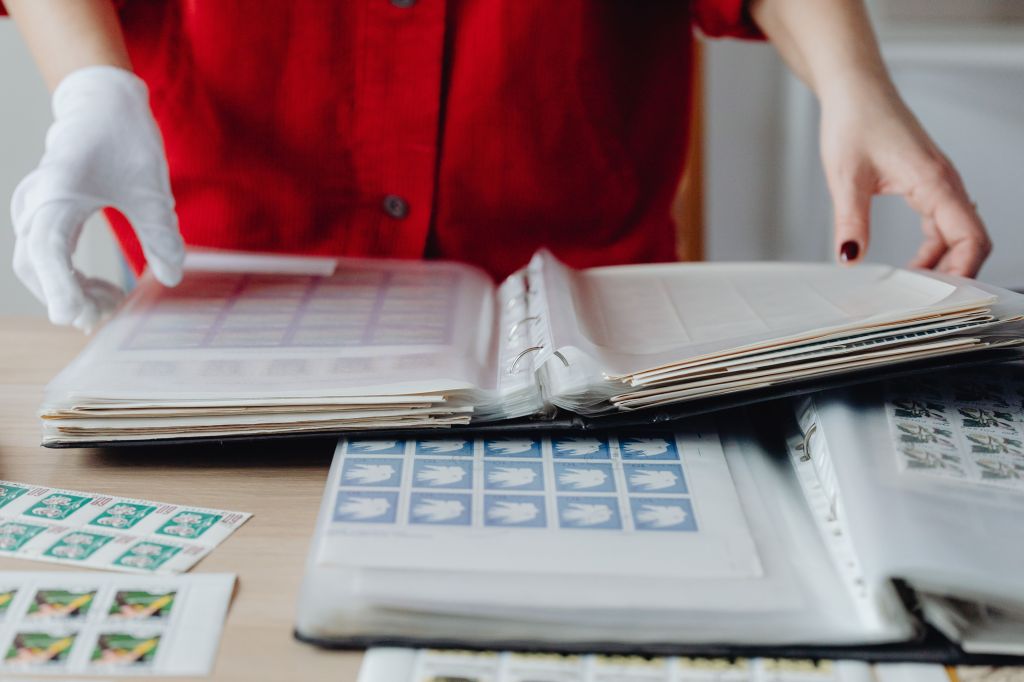
The right storage materials can make a meaningful difference in preserving collectibles over time. Acid-free holders are crucial for protecting coins, paper collectibles, stamps, and delicate items from chemical damage and deterioration. For stamps, use albums with clear sleeves and acid-free paper to maintain their condition.
Preservation techniques
Moisture can be especially harmful to collectibles, particularly metal items that may be prone to corrosion. Placing silica gel packets in storage containers can help absorb excess moisture and support a more stable storage environment. Collectors should use non-plasticized Mylar flips for coins, as PVC can damage and etch the metal.
Limit handling between uses
Even when collectibles are stored properly, careful handling remains essential. Using lint-free cotton gloves can help reduce the risk of permanent fingerprints, oils, and residue on sensitive surfaces. For fragile paper collectibles, a hands-off approach with acid-free holders is best for protection without direct contact.
Proper storage
Where you store collectibles can be just as important as how you store them. Avoid storing valuable items in attics, basements, garages, or other areas vulnerable to temperature changes, moisture, pests, or water exposure. Instead, use a clean, dry, climate-controlled space inside the home, keeping items off the floor and away from windows and exterior walls. If floor storage is necessary, utilize sturdy plastic bins with secure lids and elevate them to minimize risks. Ensure that access to storage boxes or cabinets is limited, with appropriate security measures in place to protect valuable collections.
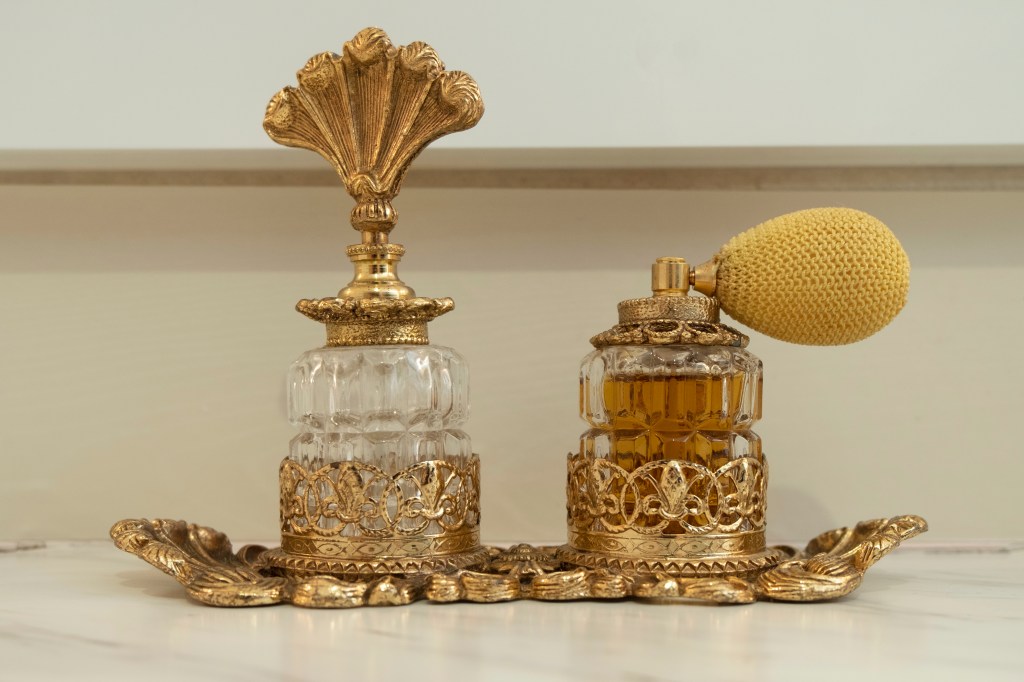
Environmental Factors That Accelerate Wear
Temperature fluctuations, humidity, and light exposure can all contribute to gradual deterioration. Controlling these factors helps extend the lifespan of collectibles that are handled or displayed regularly.
Avoid humidity and temperature fluctuations
Temperature fluctuations, humidity, and light exposure can all contribute to gradual deterioration. For optimal preservation, aim to keep collectibles in a stable environment between 65°F and 75°F, with relative humidity between 35% and 55%. Extreme temperatures can cause physical damage to items.
Watch for moisture-related damage
Moisture is one of the biggest environmental risks for collectibles, especially metal items. High humidity can contribute to corrosion and may cause silver coins to develop milk spots or heavy tarnish, which can affect both appearance and value. In addition, water damage and other contaminants may cause a total loss of items, making it a significant risk to your investment.
Avoid extreme heat
Extreme heat can also damage delicate materials. Adhesives on stamps and tape on documents may become brittle or bleed into the paper, creating lasting damage that can be difficult or impossible to reverse.
Protective tools and materials
Protective sleeves, cases, stands, and display covers help enjoy collectibles while minimizing exposure to damage. The best options vary by collectible but should reduce handling, prevent theft or damage, and preserve the item’s condition while allowing easy access.
Silica gel packets can absorb moisture for items in storage, protecting metal collectibles from corrosion. Acid-free holders are also beneficial for coins and paper items, preventing chemical damage and aiding long-term preservation. Using protective tools helps prevent warping, protects against environmental damage, and provides peace of mind.
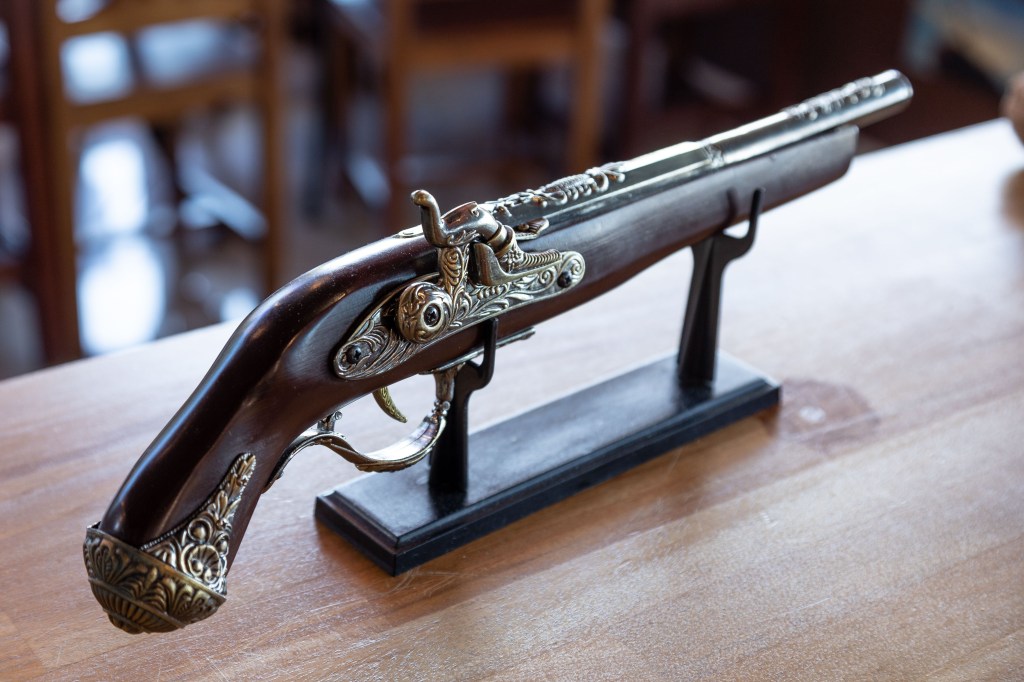
Rotating Items to Reduce Continuous Exposure
Rotating collectibles in display helps minimize exposure to light, dust, and environmental changes. Limiting the time sensitive items are showcased protects their appearance and preserves their long-term value. This approach allows collectors to enjoy different pieces from their collection while giving each item time away from display-related risks.
Collectors should regularly inspect displayed and stored items for signs of damage, dust, pests, or moisture. These quick checks help identify potential issues early, especially for items in long-term storage. With a thoughtful rotation schedule and routine inspections, collectors can balance visibility, enjoyment, and preservation more effectively.
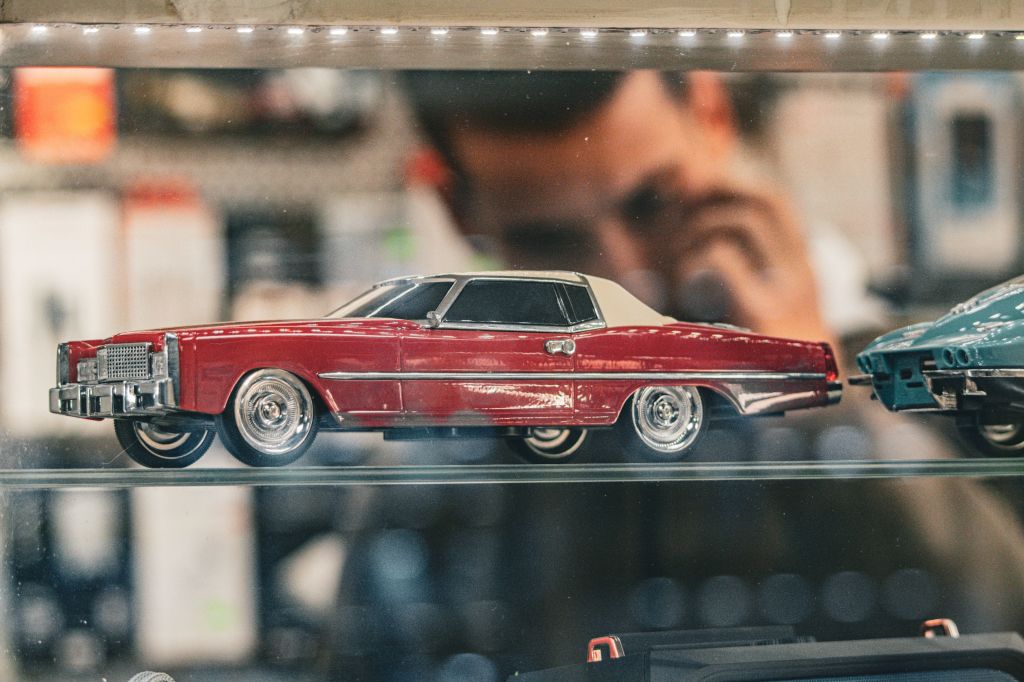
Knowing When Not to Use Certain Items
Some collectibles—especially fragile, rare, and valuable items—may be better suited for display only rather than for regular use. Items made with delicate materials or in original packaging can quickly lose value if handled frequently. Before using or moving a collectible, consider its condition, the difficulty of replacement, and its overall importance within the collection.
For high-value items, collectors should also keep certificates of authenticity, appraisals, purchase records, and other documentation organized and accessible. Store collectibles in protective, inert capsules or archival-quality enclosures to reduce direct contact and preserve their condition. It’s essential to know when not to use certain items to protect their long-term value while enjoying the collection.
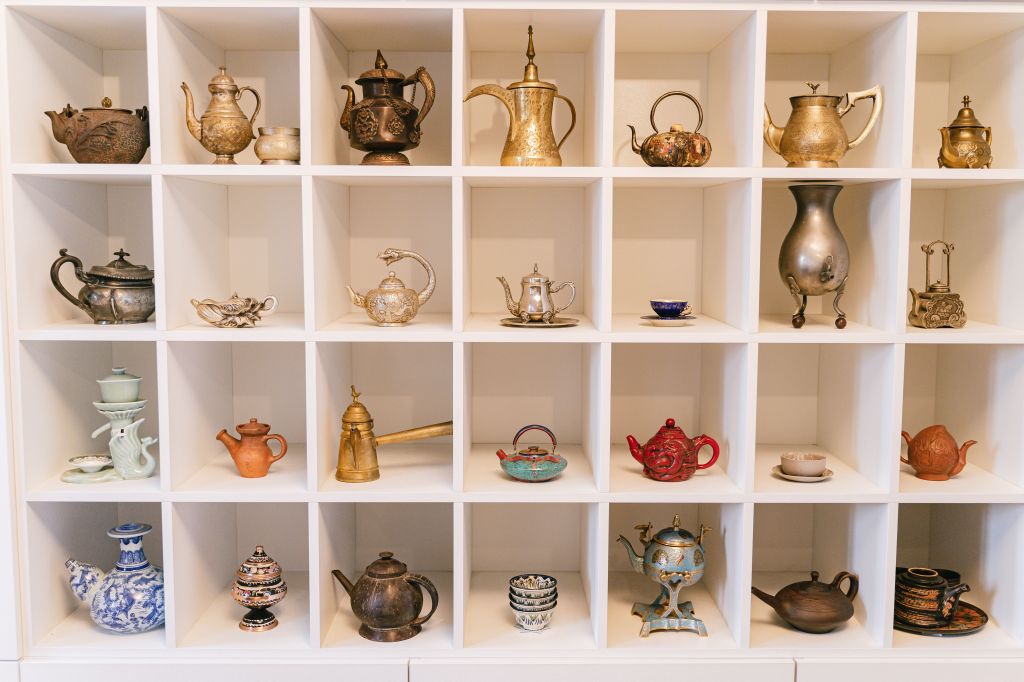
Keep an Inventory List Before You Use, Repair, or Sell
An inventory list is one of the most useful tools for protecting collectibles. Collectors can use a list to identify items, track condition, document value, and make decisions about display, storage, repair, insurance, or sale. The list should include photos, descriptions, purchase details, estimated value, storage location, condition notes, and any relevant certificates, appraisals, or receipts.
This record can also assist during an insurance claim. For theft, damage, or loss, clear documentation helps prove ownership and condition. For valuable items, keep digital backups and physical copies in a secure location for easy access.
Why Insurance Belongs in a Collectible Care Plan
Even with careful handling and strong security measures, collectibles can still be damaged, stolen, lost, or affected by events outside the collector’s control. Specialized collectibles insurance is designed to provide coverage for valuable collections in ways that standard homeowner’s insurance may not. A homeowner’s policy may include some personal property coverage, but high-value collectibles can be subject to limits, exclusions, deductibles, or coverage gaps.
A collectibles insurance policy can help protect against damage, theft, and loss, depending on the policy terms. In some cases, coverage may also assist with repair, restoration, or financial compensation after unforeseen damage. Because features vary by insurance company and policy type, collectors should identify what is covered before assuming an item is fully protected.
Insurance can also play a crucial role in long-term preservation. Many collectors want their items to survive for future family members, descendants, institutions, or the public. Maintaining an up-to-date inventory list, documenting condition, using secure storage, and reviewing coverage can help protect both the financial and sentimental value of the collection.
Enjoyment Without Compromise
Collecting should be both rewarding and sustainable. By using thoughtful handling habits, protective storage materials, stable display environments, and regular condition checks, collectors can enjoy their favorite items without unnecessarily increasing the risk of damage. Whether a piece is displayed, used occasionally, or preserved untouched, the key is to understand its needs and take proactive steps to protect its long-term value. With the right balance of care and enjoyment, collectibles can remain meaningful, well-preserved treasures for years to come.
FAQ
Does collectibles insurance help protect items that are used or displayed?
It can, depending on the insurance policy. Specialized collectibles insurance is designed for collectible items and may provide coverage for damage, theft, and loss in situations where standard homeowner’s insurance may be limited. Collectors should review coverage terms before assuming displayed or occasionally used items are fully protected.
Why is an inventory list important for collectibles insurance?
An inventory list helps identify what is in the collection, where each item is stored, and what condition it was in before damage, theft, or loss occurred. Photos, receipts, appraisals, certificates, and condition notes can assist during a claim and make it easier to confirm whether the right coverage is in place.
Can insurance help if a collectible needs repair or restoration?
Some policies may provide financial compensation or restoration-related support after covered damage, but this depends on the policy. Before choosing coverage, collectors should ask whether repair, restoration, loss in value, theft, accidental damage, and disappearance are included or excluded.
Sources
https://www.minico.com/collection-preservation-the-collectors-path-to-peace-of-mind
https://americanrarities.com/articles/preserving-the-past-proper-storage-and-conservation-of-collectibles
https://unitsstorage.com/new-orleans-la/a-guide-to-safely-storing-collectible-items
https://blog.peli.com/preserving-the-value-the-ultimate-guide-to-protecting-your-collectibles
https://evoretro.ca/blogs/news/protecting-and-displaying-your-collectibles-essential-tools-for-serious-collectors
https://intelligentcollector.com/caring-for-your-collection/
https://tactics2toys.com/preserving-collectibles-best-practices-for-mint-condition-storage/
https://gillfinancialadvisory.com/value-preservation-for-art-and-collectibles-a-guide-for-long-term-stewardship/
https://www.pioneerplastics.com/blog/whats-the-best-way-to-protect-your-collectibles/
https://www.eagleselfstoragemo.com/storing-collectibles-tips-for-keeping-them-in-pristine-condition
About Collectibles Insurance Services
Collectibles Insurance Services has been protecting collections since 1966 and all coverage is provided by a carrier with a group rating of “A” (Excellent) by AM Best, the leading rating agency for the insurance industry.
Comprehensive coverage includes, but is not limited to: accidental breakage, burglary, fire, flood, loss in the mail, theft, natural disasters, and other causes of loss unless specifically excluded from the policy. Deductibles start at $0 for collector policies and we provide coverage for the market value of your collection for losses in excess of $50.
Additionally the protection extends At home and away, and we don't require collection itemization and serial number nor extensive paperwork and red tape.