
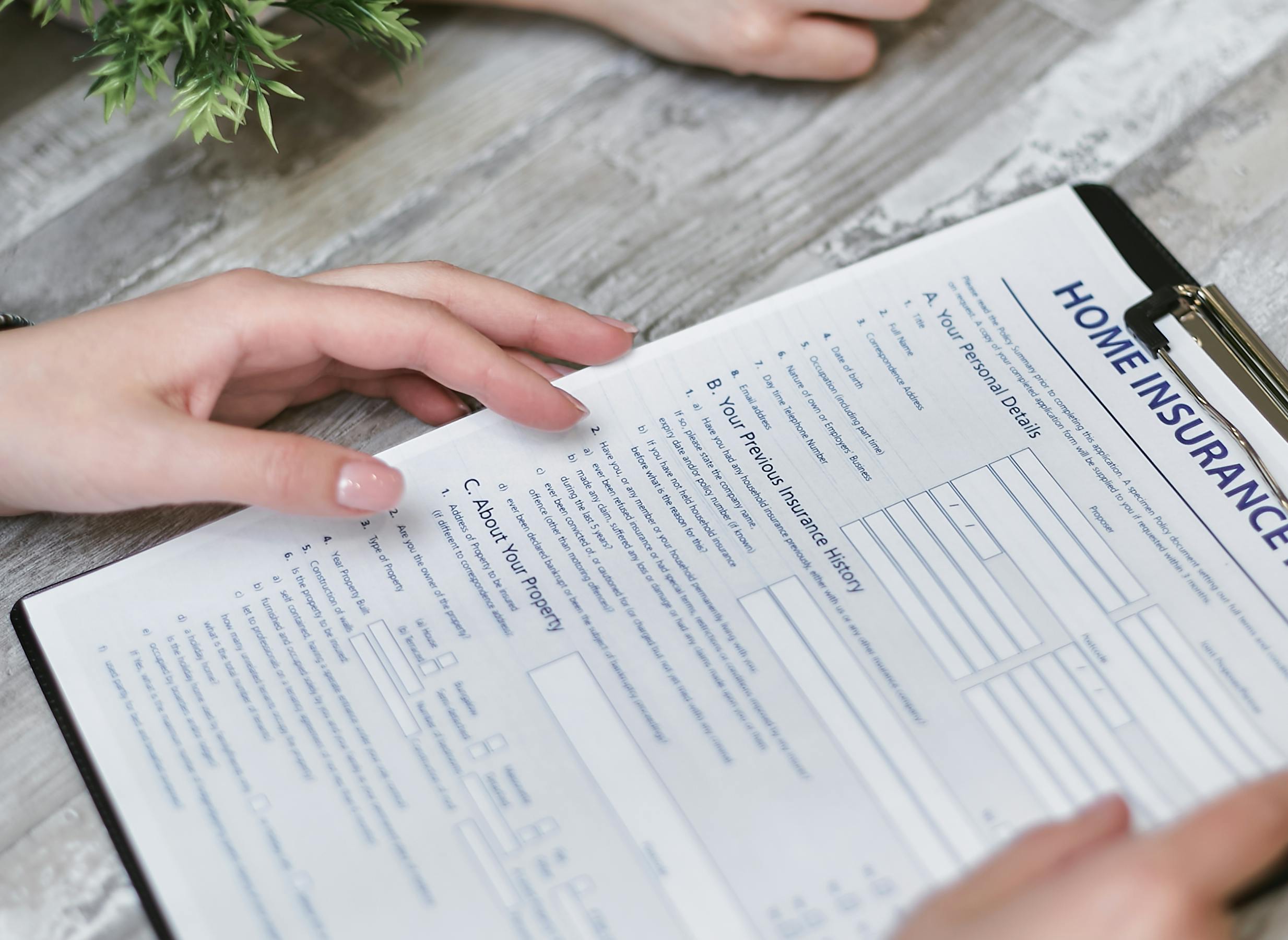
Avoid These Common Collector Insurance Mistakes for Better Coverage
Avoid These Common Collector Insurance Mistakes for Better Coverage
Discover common collector insurance mistakes and learn how to enhance your coverage. Read the article to protect your valuable collection effectively.
Collector Insurance Mistakes: Why Even Experienced Collectors Get Coverage Wrong
When it comes to building a collection, passion often drives collectors to dedicate years of time and effort to acquire rare and valuable items. However, amidst the thrill of treasure hunting, many overlook a critical aspect: ensuring those collectibles are adequately protected.
Neglecting to address insurance needs, whether through outdated valuations or the use of one-size-fits-all policies, can leave collectors vulnerable to unforeseen financial setbacks. Specialized collectibles insurance offers protection tailored to the high values and distinct risks associated with collectible items. Understanding the nuances of collector insurance and avoiding common pitfalls is essential for safeguarding valuable collections against potential risks.
While this guide discusses common mistakes in collector insurance, it is advisable to consult an insurance provider or subject matter expert for specific coverage guidance.
Relying Too Heavily on Homeowners Insurance
Relying solely on a standard homeowners’ insurance policy to protect collectibles can expose collectors to significant risks. Many homeowners’ policies have strict limits on coverage for specific categories, such as collectibles, art, or memorabilia, leaving high-value items inadequately insured.
Limited coverage for valuable items
One of the major drawbacks of homeowners’ insurance for collectors is the potential for limited payout amounts when a claim is made. While many policies do offer coverage for collectible items, the limits are often very low, sometimes as little as $200 per item. These varying coverage caps mean that collectors could face significant financial losses if their valuable items are damaged or lost.
In addition to low coverage limits, standard homeowners’ insurance may not provide comprehensive protection for collectibles. Typically, these policies only cover specific causes of loss, such as fire or theft, while excluding important protections against mysterious disappearances or accidental breakage. This can lead to substantial financial repercussions for collectors who mistakenly assume their items are fully protected. Furthermore, filing a claim on a homeowner’s insurance policy can result in increased premiums or even nonrenewal of the policy, posing a significant risk for collectors. In the current property insurance market, increased scrutiny and higher deductibles are also common.
Collectibles insurance policy
For optimal protection, serious collectors are encouraged to explore standalone specialized insurance policies designed specifically for fine art and collectibles. These specialized policies offer tailored coverage for nearly any item with collectible value, providing peace of mind for display, transportation, and storage. Some items include comic books, artwork, antiques, jewelry, and sports memorabilia. Specialized collectors’ insurance allows collectors to enjoy and showcase their valuable items without worrying about financial loss. It offers better risk protection and helps prevent higher premiums due to claims on a homeowner’s policy.
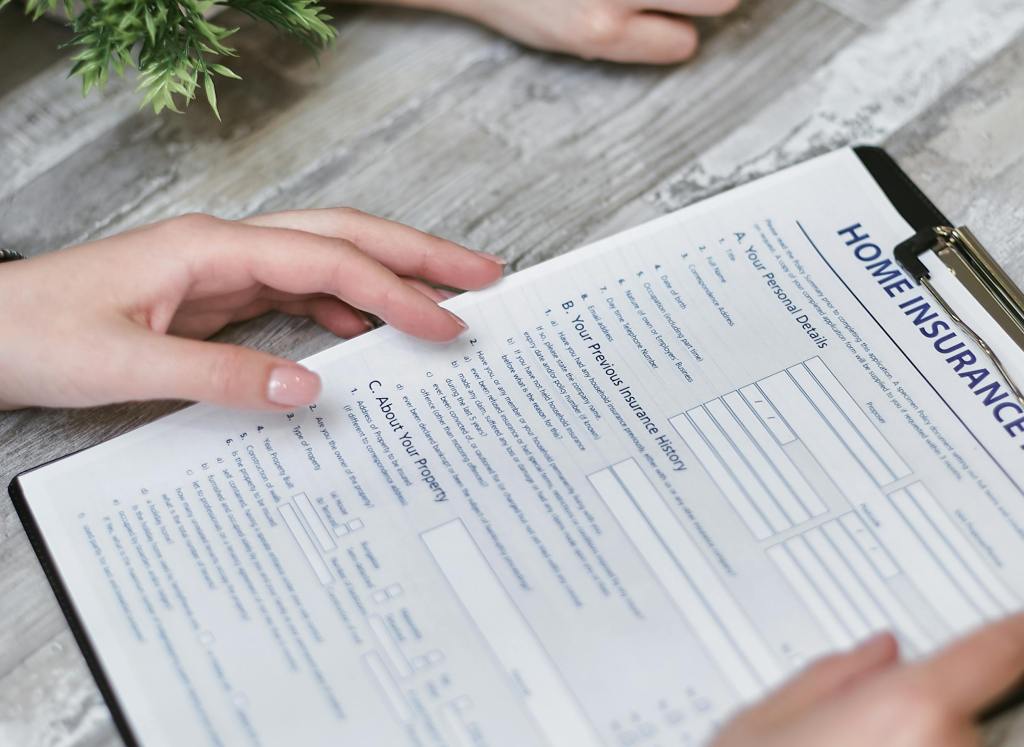
Failing to Get Professional Appraisals
For collectors, understanding the true value of their collections is crucial, especially when it comes to insurance coverage. Relying on memory or purchase prices can lead to significant discrepancies that may not reflect current market conditions. Professional appraisals offer a reliable means to assess the value of collectibles and protect valuable items.
Why appraisal matters
An appraisal will provide a professional assessment of the market value of a collectible or piece of art. Knowing the worth of your collection is essential for obtaining accurate insurance coverage. Estimating value based on memory or rough estimates can lead to underinsurance or overinsurance, neither of which is ideal. A professional appraisal provides a precise valuation and, in many cases, may be necessary for insurance companies to finalize coverage terms.
One of the most significant mistakes collectors make is failing to get an appraisal from an accredited appraiser. Using recognized organizations, such as the Appraisers Association of America, the American Society of Appraisers, or the International Society of Appraisers, ensures you are working with qualified professionals. Additionally, it’s vital to select an appraiser with deep expertise in the type of collectible in question to receive the most accurate valuation.
The need for frequent appraisals
Market values can change dramatically over time, which is why collectors should update their appraisals every 3 to 5 years. However, to ensure that insurance coverage reflects current market conditions, it is advisable to revisit appraisals every 2 to 5 years. Outdated appraisals can result in underinsurance, as they may not reflect the full value of items. Regular updates will help collectors maintain adequate coverage for their entire collection and safeguard against potential financial loss.

Not Updating Coverage as Collections Grow
Collections rarely stay static. New acquisitions, market-value appreciation, or rising auction prices can quickly make existing coverage outdated. This volatility underscores the need for periodic reviews to ensure that coverage remains aligned with the real-world value of your collectibles.
When expanding your collection, one critical step is notifying your insurer of new acquisitions. Failing to do so can leave valuable items completely uninsured. Keeping your insurance company informed is essential for maintaining comprehensive coverage and safeguarding your investments. Collections tend to grow over time, whether in volume or market value. Regular updates to your insurance policy should be a priority to ensure your coverage reflects these changes.
As your collection grows, especially with the addition of higher-value pieces, you may need special insurance coverage for your collectibles. It’s essential to evaluate your policy regularly and seek tailored insurance options that meet the unique requirements of your new items, ensuring comprehensive protection against potential losses.

Skipping Detailed Documentation
Insurance claims often rely heavily on thorough documentation. When it comes to proving ownership and value for collectibles or art, the absence of critical evidence, such as photographs, receipts, inventories, or appraisals, can significantly complicate the claims process. Collectors often neglect to create a detailed inventory with photos, descriptions, and appraisals, making it difficult to prove ownership and value during a claim. Therefore, taking proactive steps to document your collection is essential to ensuring a smooth experience should you need to file a claim.
Provenance refers to the history of ownership of a specific piece of art or a collectible. When filing an insurance claim, you may be required to provide documentation that proves the provenance of your items. This documentation may include previous sales receipts, exhibition records, or letters of authenticity.
Creating an inventory of items in your collection can help ensure your valuables are properly compensated if you need to file a claim. This inventory should include high-resolution photographs of each item, receipts for any restoration work, and detailed provenance records. It is a good idea to scan and digitize all physical documents, then back them up on a cloud server or an external drive. However, while a digital inventory is convenient, you should also retain all physical documentation, preferably stored in a fireproof safe, as technology can fail.
When inventorying your collection, include key details for each item: condition, age, estimated value, purchase date, acquisition location, purchase price, condition notes, documentation, appraisal status and date, and insurance coverage. Additionally, you should specify where the items are stored, whether at home or in an off-site storage facility, and provide any relevant information about that facility.

Ignoring Specialized Insurance Options
As collectors know, safeguarding valuable items is crucial, especially as collections grow or include higher-value pieces. Specialized collectibles insurance offers broader coverage than standard property insurance, addressing unique risks associated with high-value collectibles, such as transit issues and exhibition coverage. This type of insurance ensures that collectors are adequately protected, allowing them to enjoy their passion without the stress of potential loss.
One of the benefits of collectibles insurance is that it provides more comprehensive protection against a wide range of common risks, including accidental damage, theft, loss, and transit-related damage. A collectibles policy may offer coverage limits tailored to the collection, typically up to the collection’s appraised value.
In addition, specialized coverage may offer coverage limits that align with a collection’s appraised value, accommodating a wide range of collectibles. While standard policies may only cover the ‘actual cash value’ — which accounts for depreciation — collectibles insurance policies reflect the items’ true market value, ensuring collectors receive fair compensation. Additionally, eligible collectors with items valued at $15,000 or more may secure a policy without an upper limit, making it a valuable resource for preserving both monetary and sentimental investments. However, collectors should consult an insurance professional if this is offered.

Overlooking Storage and Risk Factors
Where and how collectibles are stored can significantly influence insurance eligibility and the outcomes of claims. Insurers often evaluate risk based on environmental conditions, security measures, and handling practices. Many collector policies are contingent on strict storage rules that can void coverage if not followed. Therefore, the location and storage method can play a crucial role in determining coverage.
For instance, items stored in climate-controlled facilities or in bank safety deposit boxes are not automatically covered by standard insurance policies. It’s essential for collectors to understand that these specialized storage solutions may require additional coverage or specific policies to ensure full protection.
Waiting Until a Loss Occurs to Review Coverage
Many collectors face the unfortunate reality of discovering coverage gaps only after experiencing damage, theft, or disaster. This highlights the importance of proactively reviewing insurance policies. By carefully examining policy terms, such as agreed value, valuation methods, and coverage limits, collectors can safeguard their investments and prevent painful surprises down the road. Addressing insurance pitfalls ensures peace of mind and proper protection for the value of collectibles.

Building a Smarter Insurance Strategy for Your Collection
The key to safeguarding valuable collections lies in awareness and proactive measures. By conducting regular valuations, maintaining thorough documentation, and implementing tailored policies for collectors, individuals can enhance the protection of their cherished items. Avoiding common pitfalls in specialized collectibles insurance is crucial to ensuring that collections receive the coverage they deserve. By staying informed and vigilant, collectors can enjoy peace of mind knowing their investments are secure.
This article is intended for informational purposes only. Collectibles Insurance Services, LLC, its parents, affiliates, and anyone connected with them are not responsible or liable in any way for your use of the information contained in or linked to from this article. Reliance on the information provided in this article is solely at your own risk. If you have questions about any of the topics addressed in the article, please contact a subject-matter expert.
FAQ
What are the most common insurance mistakes collectors make with valuable collections?
One of the biggest mistakes is assuming a homeowners or renters policy “automatically keeps up” as a collection grows. In reality, many policies have category limits, exclusions, and valuation rules that can leave collectors exposed without realizing it.
Other common missteps include:
- Not keeping an updated inventory, like photos, receipts, serial numbers, and notes on provenance
- Relying on old values and never revisiting market changes
- Assuming items are protected everywhere, especially shipping, shows, storage units, second homes, or loans to friends, without confirming
- Scheduling too little, or scheduling the wrong way, which can create gaps if high-value items aren’t clearly accounted for
- Waiting until after a loss to read the fine print and discover limitations
When should collectors consider specialized collectibles insurance instead of homeowners coverage?
Collectors typically start looking at specialized coverage when the collection’s value (or a few key items) pushes beyond what a standard policy would realistically cover, especially once deductibles and category caps come into play.
It’s also worth considering when:
- You own high-value or hard-to-replace items where valuation can be complicated
- You regularly ship, travel with, display, or store items off-premises
- Your collection is growing quickly and you don’t want new additions to sit in a gray area
- You want coverage designed around how collectibles are valued, documented, and handled, instead of general household contents
Because policies vary widely, the safest approach is to walk through your specific collection with an insurance professional and confirm what your current policy does and doesn’t do.
How often should collectors review and update their insurance policies?
At a minimum, once per year. Values change, collections grow, and life changes, such as moves, renovations, storage changes, can quietly shift risk.
You should also review sooner if you:
- Acquire or sell meaningful pieces
- Notice a major market shift in what you collect
- Change how/where items are stored or displayed
- Start traveling with items more often to shows, appraisals, exhibitions, shipping, etc.
A quick annual review, paired with a living inventory, usually prevents the most common “surprise gaps” collectors only discover after a claim.
Sources
https://www.cornerstoneins.ca/protecting-your-investments-a-guide-to-insuring-valuable-art-collectibles-and-other-collections/
https://park.ca/resources/how-to-insure-valuables-like-jewelry-art-or-collectibles/
https://www.hubinternational.com/en-CA/blog/2023/07/collectibles-insurance/
https://www.brokerlink.ca/blog/protecting-your-collectibles
https://www.offitkurman.com/offit-kurman-blogs/not-properly-insuring-a-collection
https://www.nfp.ca/insights/why-todays-collectors-need-specialized-insurance/
https://www.rate.com/insurance/resources/what-kind-of-insurance-do-i-need-for-collectibles-and-artwork
https://www.allstate.com/collectibles-insurance
https://www.berkley.com/business-insurance/collectibles
https://distinguished.com/blog/does-homeowners-insurance-cover-collectibles
https://www.minico.com/why-collectors-need-more-than-homeowners-insurance-a-must-read-for-agents
About Collectibles Insurance Services
Collectibles Insurance Services has been protecting collections since 1966 and all coverage is provided by a carrier with a group rating of “A” (Excellent) by AM Best, the leading rating agency for the insurance industry.
Comprehensive coverage includes, but is not limited to: accidental breakage, burglary, fire, flood, loss in the mail, theft, natural disasters, and other causes of loss unless specifically excluded from the policy. Deductibles start at $0 for collector policies and we provide coverage for the market value of your collection for losses in excess of $50.
Additionally the protection extends At home and away, and we don't require collection itemization and serial number nor extensive paperwork and red tape.