

Collectibles Horror Stories: Tales of Loss and Lessons for Collectors
Collectibles Horror Stories: Tales of Loss and Lessons for Collectors
Explore cautionary tales from collectors that reveal the risks of obsession and the lessons learned. Dive into these poignant stories for valuable insights.
Collectibles Horror Stories: When Passion Turns Into Loss
Collecting is often seen as a rewarding passion, a journey that celebrates the pursuit of unique items and the joy of building a treasured collection. However, the darker side of this hobby is often overlooked, with countless collectors facing heart-wrenching setbacks that can shatter years of dedication in an instant. From devastating thefts and unforeseen disasters to nightmarish shipping mishaps, the stories of those who have lost everything serve as poignant reminders of the fragility of our most cherished possessions.
In this exploration, we delve into chilling accounts of collectors who have encountered the unexpected, examining the risks that lurk behind the allure of collecting—from the theft of valuable cars in a single moment to the devastation of natural disasters striking without warning. Join us as we uncover these harrowing tales, shedding light on how to prevent loss and whether collectible insurance can provide peace of mind. While we provide some guidance on insuring your collection, we recommend contacting an insurance provider if you are seriously considering it.
Collector Cars: When Mobility Turns Into Risk
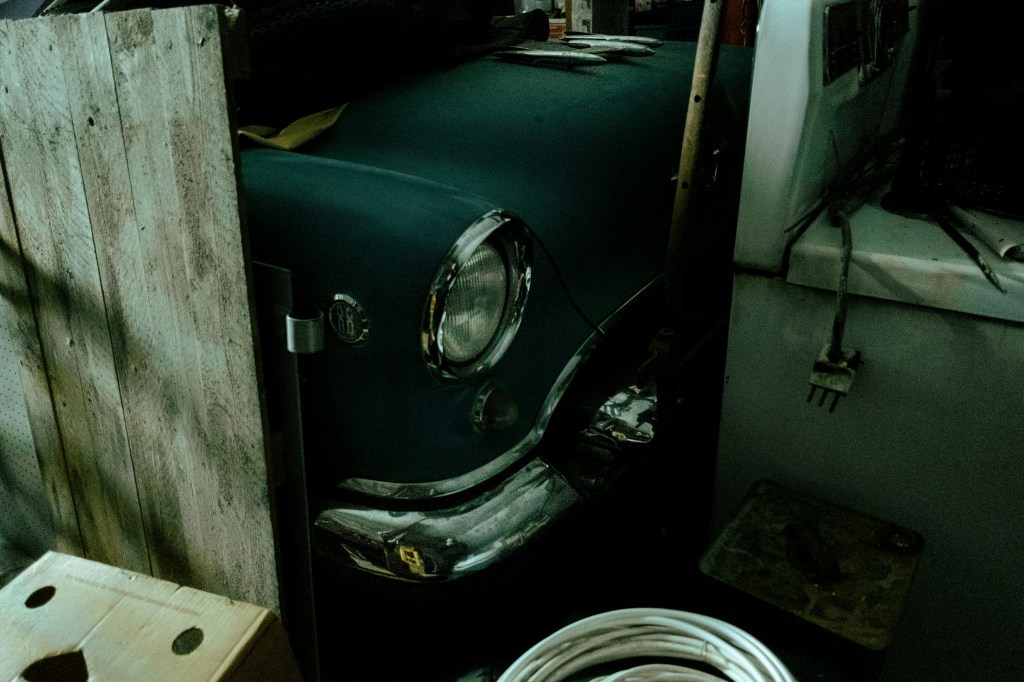
Collector cars are a passion for many enthusiasts, but their unique design and purpose expose them to a range of threats. Unlike standard vehicles that are often parked and stationary, collector cars are meant to be showcased, driven, and enjoyed. This mobility, however, comes with an array of risks that can lead to catastrophic losses.
- Fire Risks: One of the most pressing concerns for collector car owners today is the risk of fire. With the increasing incidence of wildfires, particularly on the West Coast, collections are at a heightened risk for destruction. Owners must be vigilant, as even cars stored in seemingly safe locations can be caught in unexpected fires.
- Theft Threats: The threat of theft looms large in the world of collectible vehicles. This can range from the entire vehicle being stolen to the purloining of valuable parts. No owner is immune, making it imperative to take preventive measures, including secure storage, surveillance videos, and tracking systems.
- Weather Exposure: Extreme weather patterns pose a substantial risk for collectible cars. Similar to the danger posed by wildfires, severe weather, such as flooding, can cause water damage that may result in total loss. Owners should take precautions to protect their investments from the unpredictable nature of our environment.
- Transport Incidents: The transportation of collector cars presents its own set of risks. Whether during transport or while driving, accidents can occur, especially for rare or one-of-a-kind vehicles. Owners must remain aware that these incidents can lead to significant losses, emphasizing the importance of safe transit practices.
- The Illusion of Safety: Many owners overestimate the safety of their collector cars, believing that storage in garages or facilities provides adequate protection. This misconception can lead to a false sense of security, as unforeseen events can still wreak havoc on even the most well-guarded collections.
A Heist That Shook the Museum World
When we think of fine art theft, private collectors often come to mind. However, some of the most notorious losses in the world of collectibles have occurred in renowned museums, illustrating that even the most secure institutions can fall victim to crime.
The 1990 Isabella Stewart Gardner Museum Robbery
The Isabella Stewart Gardner Museum robbery is one of art history’s most notorious heists. Two robbers, disguised as police officers, entered the museum and easily bypassed security. They stole 13 masterpieces worth over $500 million, which remain missing today. This case raises concerns about museum security and the impact of such significant art losses.
Protecting art
The heist underscores the vulnerabilities of prestigious cultural institutions and highlights the need for improved security. It emphasizes the lasting impact of fine art theft on the art world, making the lessons from this theft crucial in the fight against art crime.
Lost in Transit: When Shipping Becomes the Weak Link
Mail and shipping mishaps have become a serious concern for collectors, leading to the loss of rare and valuable items. Once a package is lost, the chances of recovery can be slim to none. Understanding the risks associated with shipping collectibles is crucial for anyone who values their items.
- Choosing the Right Carrier: Choosing the right carrier for valuable items is essential. Researching carriers and their policies on fragile packages is crucial, as some offer specialized services or enhanced coverage for high-value items, improving security during transit.
- Implementing Shipping Precautions: Taking precautions when shipping valuable items is crucial for their safe arrival. Using real-time tracking and requiring signature confirmation can help ensure secure delivery, minimize loss risk, and provide assurance to collectors.
- Securing Shipments with Signature Requirements: To enhance the security of valuable shipments, use carriers that require a signature upon delivery. This ensures packages are received by the intended recipient, reducing the risk of loss or theft, especially for high-value items and sensitive deliveries.
- Specialized Shipping for Premium and International Items: Choose specialized logistics for premium or international shipments. These services include direct handling, customs assistance, insurance, and route monitoring to protect your items throughout the shipping process.
Comprehensive coverage
At Collectibles Insurance Services, we offer comprehensive coverage for your items, both at home and away. Our policies protect your collectibles during transit and while at scheduled events, up to the policy limit. We also offer additional insurance for collectibles in public storage, with coverage up to $100,000, ensuring your valuable items are fully protected.
Retail Break-Ins and Targeted Theft
Comic shops, card stores, and specialty retailers are often vulnerable to theft. These establishments, rich in unique and valuable collectibles, can attract the attention of thieves who know precisely what to target. The growing visibility of these collections has made them frequent targets for crime, leading to an alarming trend of break-ins and thefts.
The surge in Pokémon Card theft
In recent years, the popularity of Pokémon trading cards has skyrocketed, with some individual cards now valued at hundreds of dollars. Collectors in their 20s and older are driving an influx of cash into the Pokémon trading business. This surge in collector demand has, unfortunately, attracted criminal activity as well. Notably, in November, a thief made headlines after stealing nearly $10,000 worth of Pokémon and sports cards from a store owned by Tom Brady. This incident is just one example of how the allure of valuable Pokémon cards has led to an increase in robberies and thefts in the industry. Collectors should treat high-value cards like diamonds or other valuables because of their value.
Collectibles retail theft cases
Armed robberies have also targeted Pokémon retailers, with one incident in Manhattan resulting in over $120,000 worth of merchandise stolen. Additionally, a string of break-ins in Houston has targeted at least four collectible stores, underscoring a clear trend of criminals focusing on high-value Pokémon cards. Store owners have expressed heightened concern for their business, noting that the cards’ growing popularity and resale value make them particularly attractive to thieves. Some collectible store owners are installing steel walls and hiring armed overnight security to protect their shops from theft.
Fraudulent schemes
The rise in value associated with Pokémon cards led to physical theft creating opportunities for fraud. In a notable case, federal prosecutors charged a man with wire fraud for allegedly scamming buyers of Pokémon and sports cards out of $2 million. This highlights the darker side of the collectibles market, where the demand for rare items can lead to dishonest practices that affect both collectors and legitimate retailers.

Natural Disasters That Wiped Out Entire Collections
Natural disasters can have catastrophic effects on collectibles, often causing irreversible damage. Unlike theft, which may leave some items intact, events such as floods, hurricanes, earthquakes, and wildfires can ruin entire collections overnight, leading to significant financial and emotional losses for collectors.
Floods
Floods pose a unique and severe threat to collectibles. Water damage from flooding can lead to warping, mold growth, and other forms of deterioration, rendering items irreparable. For example, a comic book store in Evansville, Indiana, experienced devastating losses due to flash flooding. Their inventory, which included vintage arcade machines, collectible toys, and essential operational systems, was destroyed. The owners had to turn to crowdfunding on GoFundMe to cover the extensive repair costs to the property and lost inventory resulting from insurance gaps.
Hurricanes
Hurricanes are another natural disaster that can wreak havoc on collectible collections. The combination of power outages, high winds, storm surges, and torrential rain can create conditions that are highly damaging. Moreover, the fluctuations in temperature and humidity during and after a hurricane can lead to mold growth and other damage to items, adding to the stress of recovery for collectors.
Earthquakes
Earthquakes present a different kind of threat to collectibles, causing unexpected shocks that can damage fragile items. In addition to the risk of items falling and breaking, earthquakes can cause significant structural damage to storage areas or display cases, further jeopardizing valuable collections.
Wildfires
Wildfires generate heat, smoke, flames, and soot that can permanently damage collectibles. Items made of organic materials, in particular, are at a high risk of suffering lasting consequences from exposure to fire and smoke. The damage from wildfires is often extensive, and recovery can be a lengthy, arduous process for collectors affected by these events.

Insurance Nightmares and Coverage Gaps
Collecting can be a rewarding passion, but it’s essential to be aware of the insurance challenges that collectors face. Many discover too late that their coverage didn’t adequately protect their valuable items, resulting in significant financial losses. This can be attributed to policy limits, exclusions, and common misunderstandings about insurance.
Limitations of standard homeowners insurance
One of the primary misconceptions among collectors is that standard homeowners or renters insurance provides sufficient coverage for collectibles. Unfortunately, these policies often fall short when it comes to high-value items. Many contain sub-limits that restrict claim amounts for specific categories, including collectibles, and typically cover only named perils. This means that valuable items, especially those in transit or stored away from the home, may not be protected. Moreover, filing a claim against a standard policy can result in increased premiums or even non-renewal, exposing collectors to greater financial risk.
Coverage gaps
To effectively safeguard their investments, collectors should consider specialized insurance designed for their unique needs. Specialty insurers offer policies tailored to high-value collections, recognizing the unique risks they entail. This type of insurance goes beyond the actual cash value reimbursement provided by standard homeowners’ policies, ensuring full protection against various potential losses.
Policy updates
Collectors should prioritize regularly updating their insurance policies to reflect changes in the value of their collections. As collections grow and market values fluctuate, it’s essential to ensure that coverage remains adequate. To achieve this, collectors should obtain regular, accurate valuations and maintain proper documentation to confirm they are adequately covered. Adequate insurance protects against disasters and offers peace of mind by safeguarding valuable items from unexpected losses.

The Emotional Toll of Losing a Collection
The loss of beloved collections often goes beyond financial implications, significantly affecting a collector’s emotional well-being. Collections hold immense personal history and identity, making their loss deeply impactful.
- Grief and Shock: Collectors often experience disbelief and shock when they lose their collections. The grief they feel can mirror the pain of losing a loved one, highlighting the strong ties collectors have to their cherished items.
- Identity and Personal History: Collections often represent decades of passion and dedication. When a collection is lost, collectors may feel a profound loss of identity, as these items are integral to who they are and how they see themselves.
- Attachment and Dedication: Many collectors invest significant time, energy, and resources into their collections, creating strong emotional bonds. The loss of such a significant aspect of their lives can lead to feelings of sadness, anger, and despair.
- Real-Life Stories of Loss: Real-life accounts from collectors underscore the emotional devastation that accompanies collection loss. These stories reveal how deeply intertwined possessions are with personal identity, fostering empathy within the collector community.

Lessons That Every Collector Learns the Hard Way
Many collectors have faced devastating losses due to unforeseen circumstances, highlighting the importance of preparation and risk management. The stories of these losses highlight the importance of documentation, preparation, and risk awareness to avoid total loss.
Risk management
Effective risk management begins with a thorough assessment of potential threats to your collection. Collectors should evaluate their items based on type and storage location. Understanding the specific risks your collection faces, such as environmental factors or local natural disasters, can help develop strategies to mitigate them. Additionally, creating an emergency plan is crucial; it can significantly reduce the risk of damage during unexpected events, ensuring the safety and preservation of your valuable items.
Improper storage
Investing in proper storage solutions is key to protecting collectibles from environmental damage. Climate-controlled facilities can help maintain ideal conditions, preventing issues like mold and deterioration. Recommended relative humidity levels of 35-50% and controlled temperature are critical for preserving the integrity and value of your collection. Moreover, using archival-grade storage materials can provide greater protection, helping safeguard items against degradation over time.
Lack of inventory
An up-to-date inventory is vital for any collector. This includes not just a list of items but also photographs and detailed descriptions. Such documentation is essential for insurance purposes and can ease the process of recovery in case of loss. Having a comprehensive inventory ensures that collectors can quickly assess their assets and provide accurate information to insurers.
Collectibles insurance
Acquiring adequate insurance coverage is a necessary step for collectors to protect their investments from natural disasters and other risks. Insurance policies should be tailored to fit the unique value of your collectibles, providing peace of mind. Furthermore, it is essential to regularly update these policies to reflect changes in the value of items, ensuring coverage remains sufficient amid market fluctuations and new acquisitions.

Why These Stories Resonate Across the Hobby
Collecting can be an exciting and rewarding hobby, whether it involves cars, comics, art, or cards. However, every collector faces inherent risks that can lead to devastating losses. Stories of misfortunes and mishaps are not uncommon, serving as cautionary tales for enthusiasts everywhere. From the heartbreak of uninsured collections to the unexpected destruction of prized possessions, these horror stories remind us that the potential for loss looms over all collectors. It’s essential to stay vigilant and protect what we cherish, as these real-life experiences could happen to anyone.
FAQ
What are the most common ways collectors lose valuable items?
Most collector losses come from a handful of repeat patterns:
- Theft (home break-ins, targeted theft of known high-value items, retail burglaries, opportunistic “grab-and-go”)
- Water damage (leaks, burst pipes, flooding, firefighting water, long-term humidity leading to mold)
- Fire and smoke (house fires, wildfires, soot/smoke residue, heat damage)
- Shipping and transit mishaps (loss, misdelivery, damage in transit, porch theft)
- Handling/storage accidents (drops, crushed corners, improper framing or packing, poor climate control)
- Fraud and counterfeits (paying for items that never arrive, swapped items, fake authentication)
The biggest takeaway: collectors often don’t lose items because of one dramatic event—they lose them because of a predictable risk they didn’t plan for.
Which types of collections are most vulnerable to theft or disaster?
Vulnerability usually depends on two things: how easy it is to steal/flip and how sensitive it is to heat/water/humidity.
- High theft-risk collections: cards, coins, watches, jewelry, small art, high-end sneakers/handbags, and “hot” sealed product—anything compact, valuable, and easy to resell.
- High disaster-risk collections: paper goods (comics, documents, posters, photos), textiles (jerseys, vintage clothing), electronics/media (games, vinyl), and fine art—items that can be permanently damaged by water, smoke, heat, and mold.
- Big-ticket specialty risk: collector cars and large displays (slot machines, arcade cabinets) are harder to steal but can be wiped out by fire, flood, or transport incidents.
What warning signs suggest a collection may be at higher risk than expected?
A collection is often at higher risk when you see these red flags:
- Storage in high-risk areas: basements, attics, garages, exterior-wall closets, or anywhere with noticeable humidity swings or leak potential
- No inventory or proof: few photos, missing receipts/appraisals, no record of what you own (hard to recover or document after a loss)
- High visibility: frequent social media posting, public “collection room tours,” or buyers/visitors knowing what’s inside
- Weak physical security: easy-access windows/doors, no alarm/cameras, items visible from outside, or valuables stored in plain sight
- Transit habits: frequent shipping, bringing items to shows, or leaving items in vehicles without a consistent security routine
- Deferred maintenance: old plumbing, roof issues, or HVAC/condensation problems—small building issues become collection losses fast
This article is intended for informational purposes only. Collectibles Insurance Services, LLC, its parents, affiliates, and anyone connected with them are not responsible or liable in any way for your use of the information contained in or linked to from this article. Reliance on the information provided in this article is solely at your own risk. If you have questions about any of the topics addressed in the article, please contact a subject-matter expert.
Sources
https://blog.aisinsurance.com/2013/07/02/5-collector-car-insurance-nightmares/
https://www.aetv.com/articles/the-unsolved-heist-at-isabella-stewart-gardner-museum
https://www.papermoneyforum.com/post/lost-in-the-mail-8598053
https://smnewsnet.com/archives/554529/30k-in-damage-and-stolen-sports-cards-linked-to-calvert-county-store-break-in/
https://www.14news.com/2025/06/16/gut-wrenching-evansville-comic-book-store-hit-hard-by-flash-flood/
https://mullerinsurance.com/blog/why-your-unique-collection-may-be-at-risk-without-insurance
https://distinguished.com/blog/art-and-collectibles-during-hurricanes
https://vocal.media/art/protecting-art-and-collectibles-from-natural-disasters-comprehensive-strategies-for-every-collector
https://www.fox26houston.com/news/string-collectible-store-break-ins-pokemon-cards-targeted
https://www.minico.com/collection-preservation-the-collectors-path-to-peace-of-mind
About Collectibles Insurance Services
Collectibles Insurance Services has been protecting collections since 1966 and all coverage is provided by a carrier with a group rating of “A” (Excellent) by AM Best, the leading rating agency for the insurance industry.
Comprehensive coverage includes, but is not limited to: accidental breakage, burglary, fire, flood, loss in the mail, theft, natural disasters, and other causes of loss unless specifically excluded from the policy. Deductibles start at $0 for collector policies and we provide coverage for the market value of your collection for losses in excess of $50.
Additionally the protection extends At home and away, and we don't require collection itemization and serial number nor extensive paperwork and red tape.