

The Most Collectible Cards from Every Magic The Gathering Set
The Most Collectible Cards from Every Magic The Gathering Set
Discover the top 10 most collectible Magic cards that every enthusiast should know. Enhance your collection and stay informed—read the article now!
Most Collectible Magic Cards: What Makes a Card Truly Stand Out
In the captivating world of Magic: The Gathering, certain cards have transcended their gameplay purpose to become iconic collectibles revered by fans. These valuable cards are coveted due to their unique attributes—extreme scarcity, legendary power, stunning artwork, and rich historical importance.
Over the years, these cards have defined the sets they belong to establishing themselves as the ultimate treasures within the community. In assessing the value of these trading cards, collectors consider key factors, including historical significance, gameplay potential, condition, and the intrinsic scarcity created by the game’s design. Join us as we explore the fascinating realm of collectible Magic: The Gathering cards and what makes them so highly sought after.
Early Sets and the Foundation of Collectability
Magic: The Gathering (MTG) has established itself as a cornerstone in the world of trading card games since its debut in 1993. The allure of collecting MTG cards, especially from its earliest sets, stems from a combination of limited print runs, groundbreaking design choices, and the game’s deep history. In this overview, we will explore the key elements that make the Alpha, Beta, and Unlimited sets so coveted.
Alpha and Beta sets
The Alpha and Beta cards represent the initial forays into MTG, each serving as a foundational blueprint for future card design and gameplay. With their limited print runs, these sets introduced players to the game’s unique mechanics and strategies. The Limited-Edition Alpha and Beta cards were produced in relatively modest quantities, which has contributed to their enduring appeal and value in the collectors’ market.
Limited print runs
Limited print runs have significant implications for the value of collectible cards. For instance, a Limited-Edition Alpha Mox Jet recently sold for an astonishing $108,000 in a Fanatics Collect Premier Auction, underscoring the high demand for these rare magic cards. This limited availability not only elevates the cards’ market value but also enhances their status among enthusiasts, making them prestigious artifacts of gaming history.
Early design choices
Early design choices made in the Alpha and Beta sets laid the groundwork for the game’s evolution and subsequent expansions. These foundational cards established crucial gameplay mechanics that continue to influence modern iterations of Magic: The Gathering. The designers’ innovative decisions have created a rich tapestry of gameplay experiences, further fueling interest in these early sets.
Formative history and enduring demand
The formative history of Magic: The Gathering plays a critical role in driving the enduring demand for foundational cards. As a pioneering game in the collectible card space, MTG has a unique legacy that resonates with players. The combination of nostalgia, historical significance, and the thrill of owning a piece of gaming history contributes to the ongoing allure of Alpha, Beta, and Unlimited cards.
Power, Playability, and Tournament Legacy
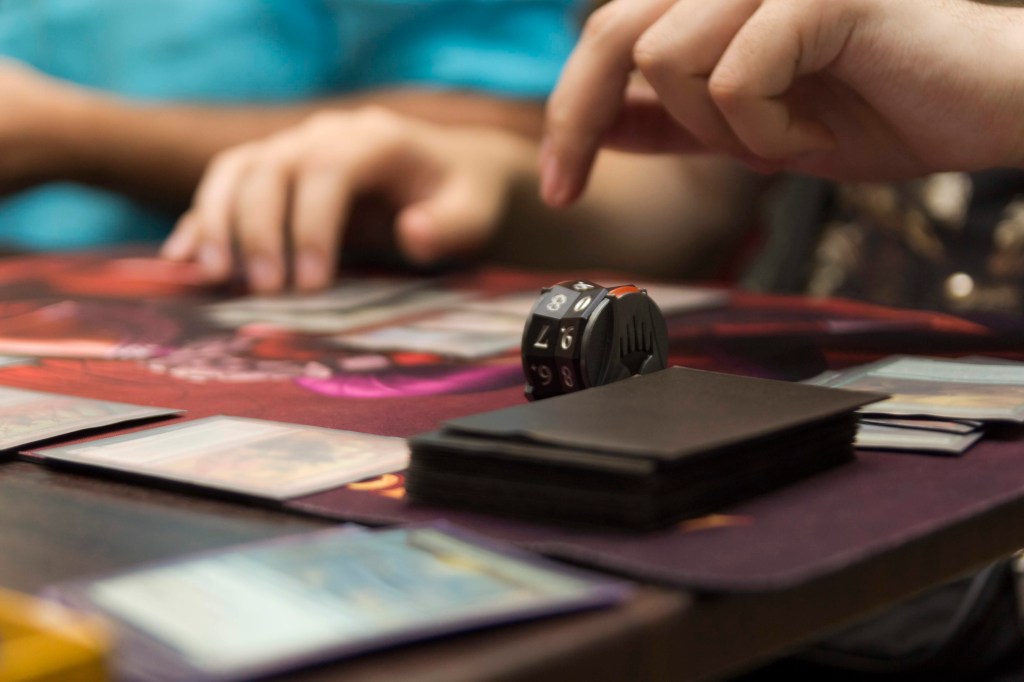
In the world of Magic: The Gathering, certain cards have become synonymous with competitive play due to their tournament dominance and unique mechanics. These cards hold significant gameplay value retaining strong long-term collectability, making them highly sought after by players and collectors alike.
Iconic tournament legacy cards
Cards that are pivotal to the history of tournament play are often regarded as legacy items. Among these are the legendary Power Nine, a collection of cards that has defined formats and competitive play. These cards are associated with immense power, leading to their ban in many tournament formats. Their reputation as some of the strongest cards in the game contributes to being the most expensive magic cards.
Black Lotus
At the pinnacle of the Power Nine is Black Lotus, recognized as the most powerful card in Magic: The Gathering. Its unparalleled ability to provide three mana of any color has firmly established its status. Uniquely, a CGC Pristine 10-graded Black Lotus sold for a staggering $3 million in a private sale in April 2024, showcasing not just gameplay value but also its monumental place in collecting.
The Mox Jewels
The Moxen are a set of five cards that provide mana acceleration in Magic: The Gathering. As part of the Power Nine, these cards are highly sought after due to their unique abilities and historical importance.
Mox Sapphire
Mox Sapphire stands out as the most expensive of the Moxen, with prices reaching around $3,900. This blue mana artifact is known for its capacity to provide high tempo, enhancing players’ strategic plays. In a notable auction in 2023, a Mox Sapphire card fetched an astonishing $46,800, underlining its desirability within the market.
Mox Jet
Mox Jet has established itself as one of the most valuable Moxen, having sold for a remarkable $108,000 at auction in 2024. This black mana card allows players to gain significant tactical advantages by enabling them to play once per turn while stacking its effects with explosive mana. Its scarcity and powerful abilities contribute to its high price tag, making it a prized possession among collectors.
Mox Ruby
Renowned for its aggressive traits, Mox Ruby offers players free red mana, making it a key card in fast-paced decks. Its legacy is further highlighted by a PSA 10-graded Alpha Mox Ruby, which sold for $39,600. This showcases the card’s appeal and the value collectors place on pristine condition and historical significance.
Mox Emerald
Mox Emerald is a zero-mana artifact that accelerates the generation of green mana, making it an essential card for mana ramp strategies. As a rare card, it achieved a sale price of $37,200 in 2023, reflecting its desirability and utility in gameplay.
Mox Pearl
Mox Pearl is considered an ultra-rare card that predates the Alpha set, laying the foundation for the Power Nine. This prototype card holds a special place in the lore of the game and will be further explored in later sections of this blog. Its historical significance and scarcity make it a valuable gem for collectors.
Ancestral Recall, Time Walk, and Timetwister
Certain mechanics within Magic cards shape their collectability and gameplay relevance.
Ancestral Recall is another card from the Power Nine, with a Limited Edition Alpha version selling for $38,500 in December 2023. Ancestral Recall allows a player to draw three cards or forces an opponent to draw three cards. In contrast, Timetwister is part of the Power Nine and can fetch significant prices at auction, with a Limited Edition Alpha version selling for $84,000 in April 2023. Timetwister is a card that resets the game by forcing both players to shuffle their hands and graveyards back into their libraries.
Dual Lands
Dual Lands, like Tundra, Tropical Island, Volcanic Island, Underground Sea, and Savannah, played a major role in shaping gameplay by providing access to multiple mana colors and basic land types. Though modern versions have printed restrictions, cards from the early days maintain their high value and status within the Magic community.
Chaos Orb
Chaos Orb stands out as a unique card that requires manual dexterity in gameplay. This pioneering dexterity card sold for $44,400 in a Fanatics Collect Premier Auction in April 2023, despite its banned status in tournaments. Its groundbreaking nature adds to its historical significance and desirability among collectors.
Phoenix Heart
Among the myriad of cards in Magic: The Gathering, Phoenix Heart stands out for a different reason. This particular card has no gameplay effects and was originally created by Richard Garfield, the game’s creator, as a wedding invite. This unique background adds a layer of collectability, making Phoenix Heart an intriguing card in Magic.

Rarity, Print Runs, and Distribution Differences
Not all rare cards are equal. Several factors, including print runs, distribution regions, and set longevity, influence the value disparities among Magic cards. While rarity plays a key role, it isn’t the sole factor.
Short print runs
One prime example of a valuable card from a limited run is the Arabian Nights card associated with the Bazaar of Baghdad. Known for its utility in graveyard strategies, the Arabian Nights’ restricted availability has made it a prized possession among Magic fans. The scarcity fosters a competitive market for collectors eager to acquire this piece of Magic history.
Promo cards
Promo cards can also hold significant value due to their exclusivity. The Splendid Genesis, created by Richard Garfield, is a standout example. Produced to celebrate the birth of Garfield’s first child, only 110 copies were printed and distributed to friends and family. Its rarity was highlighted when a card sold for a staggering $72,000 at Heritage Auctions in 2022, making it an iconic collector’s piece.
Employee exclusives
Another layer of rarity comes from employee-only cards, such as The Euroakus from the Heroes of the Realm set, awarded to the Wizards European Team in 2020. These special cards, bearing names, were given exclusively to Wizards employees, reinforcing their unique status within the Magic community.
The Reserved List and Its Long-Term Impact
The Reserved List is a significant aspect of the MTG card market, with lasting implications for collectors and players alike. This policy establishes a set of cards that are permanently restricted from future reprints, thereby ensuring their scarcity and elevating their status within the collectible card community.
Impact on card value
Cards included on the Reserved List are often more valuable due to their limited availability. Since these cards can never be reprinted, they become rare treasures for Magic The Gathering players. The lack of new supply drives up demand, leading to higher prices over time. Notable examples of Reserved List Land cards include Underground Sea, Volcanic Island, and Tropical Island, each of which has become a cornerstone of high-end MTG collections.
High-end MTG cards
The scarcity imposed by the Reserved List has turned certain cards into high-end collectibles. Collectors and investors alike seek out these cards not only for their playability but also for their investment potential. Over the years, certain Reserved List cards have appreciated significantly, making them critical assets for those involved in the MTG marketplace.
As collectors become more aware of the implications of scarcity and the enduring value of these cards, the demand for Reserved List items remains strong. This trend highlights the unique relationship between game design and collectible value, driving a dynamic market shaped by both nostalgia and strategic investment.

Artwork, Flavor, and Cultural Significance
MTG cards hold a unique value that extends beyond their gameplay mechanics. Factors such as iconic artwork, deep-rooted lore, and their association with significant milestones in the game’s history contribute to their desirability and emotional weight.
Iconic artwork
Artwork plays a vital role in how players perceive MTG cards. For instance, the Shivan Dragon was released in 1993 as part of the Alpha set and quickly became an emblem of the game. Its striking design represents the powerful creature mechanics that characterized early MTG. As a staple for red decks, the Shivan Dragon has evolved into a status symbol, particularly in its original Alpha version, showcasing the rich artistic legacy of Magic.
One of the most talked-about cards is the Black Lotus, renowned for its rarity and market value, often exceeding $17,000. Designed by Christopher Rush, this card features a beautiful illustration of a lotus flower, emblematic of the game’s golden era. Its unique ability and artistic charm make it a highly sought-after piece, cementing its place in MTG history.
Lore relevance
Lore plays an equally significant role in the appeal of certain cards. The One Ring from the Tales of Middle-Earth set highlights this connection, blending elements of pop culture with MTG’s rich storytelling. This card was produced as part of a promotional collaboration with the Lord of the Rings franchise, and only one copy was ever printed. Its uniqueness was underscored when it sold in a private sale for an astounding $2 million, making it one of the most expensive cards.
Cultural milestones
Some cards have gained value due to their associations with pivotal moments in Magic’s history. For example, Lord of the Pit, featured in the Limited Edition Alpha set, fetched a jaw-dropping $105,000 during a Fanatics Collect Premier Auction in January 2023. This sale exemplifies how certain cards serve as milestones within the broader narrative of Magic: The Gathering, further enhancing their status in the collectible market.
Set-by-Set Standouts and Flagship Cards
Every MTG set often features one or two standout cards that become highly sought after. These flagship cards excel in rarity, desirability, and their significance in the game’s history and mechanics.
Sought-after cards
Among the most prestigious cards in Magic’s history, the Power Nine includes iconic cards that hold significant value.
- Timetwister, for instance, is valued at around $4,000. This card is a game-changer, thanks to its unique ability to reshape the game state. Similarly, Ancestral Recall, often considered the crown jewel of the Power Nine, can reach prices exceeding $5,000, making it one of the most coveted cards in the MTG community.
- Another noteworthy card is Mishra’s Workshop, which is valued at approximately $3,000. Renowned for its exceptional mana generation capacity, this card has cemented its place in both competitive play. Its combination of utility and rarity makes it an asset.
Condition, Grading, and Market Sensitivity
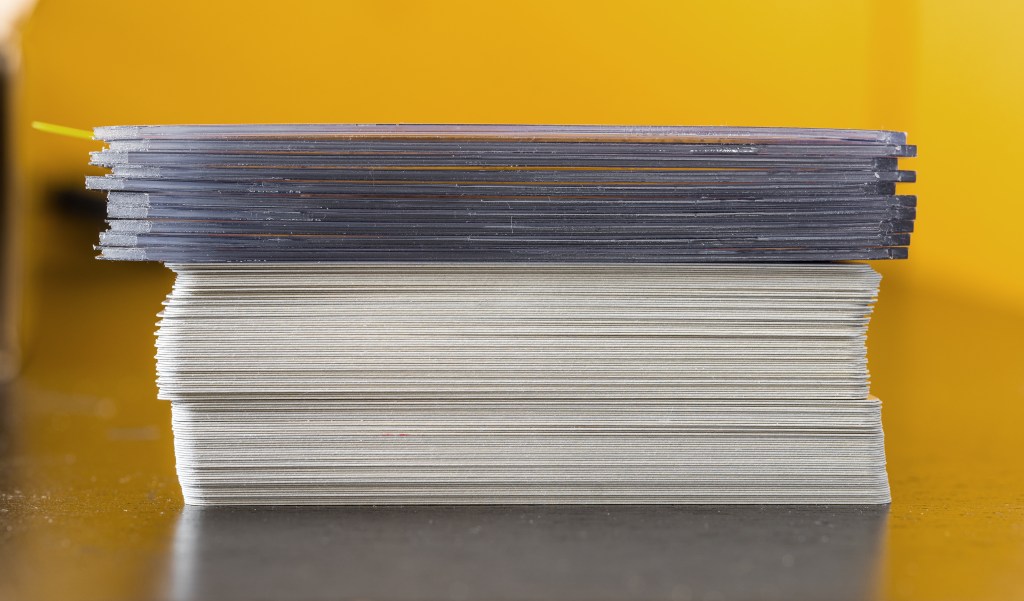
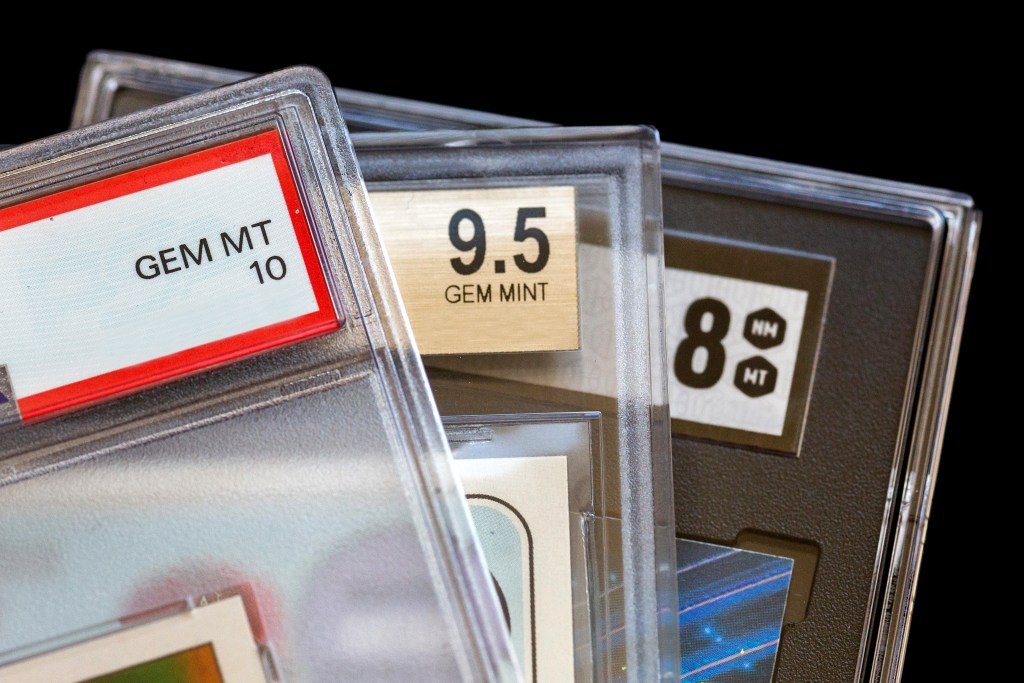
Condition dramatically influences the value of MTG cards, particularly those from the early eras. Collectors place significant emphasis on the card’s state, as a pristine card can vastly outperform a similarly rare one that shows signs of wear. Therefore, understanding the grading system and its impact on perceived value is essential for anyone looking to invest in or collect these cards.
Scarcity
Scarcity is another crucial factor that contributes to the value of Magic cards. Collectors often seek out early print runs due to their rarity and historical significance. Limited availability makes these cards highly desirable, and their scarcity can drive up prices considerably. As the market evolves, the demand for these unique pieces continues to rise, highlighting the importance of recognizing early editions.
Grading
Professional grading can significantly enhance the perceived value of Magic cards. Third-party grading services assess cards based on several criteria, including centering, edges, corners, and surface quality. A high-grade certification can set a card apart from others that may look similar but have not been professionally graded.
Current market trends
As of January 2026, the Magic card market has experienced notable shifts. A flight to quality has emerged, where trophy cards—those of exceptional rarity and demand—maintain record values, while mid-range cards have shown signs of stabilization. Additionally, unique serialized cards, such as those from Aetherdrift and Edge of Eternities, have become high-value targets. These trends underscore the evolving landscape of card values and the factors that drive them.
Sealed Product vs. Individual Cards
While sealed boxes preserve uncertainty and nostalgia, individual cards often define a set’s collectible identity. The thrill of unsealing a box lies in discovering hidden gems, each protected by its own packaging. Suspense is appealing, especially for those who enjoy the unpredictability and the potential to find valuable gems that could enhance their collections or gameplay.
Individual cards significantly shape the market and a collector’s journey. Each card tells a story, with historical significance often influencing desirability. Collectors weigh this importance against scarcity, valuing cards pivotal in tournaments or featuring iconic artwork, even if they aren’t the rarest.
The dynamics of the MTG market shift constantly, driven by trends, player demand, and the introduction of new sets. Understanding the interplay between sealed products and individual cards is essential for anyone looking to dive into high-end MTG collectibles.

Why Certain Cards Become the Face of Their Sets
Over time, MTG card consensus begins to form around specific cards that exemplify each set’s legacy, influencing market trends and nostalgia. These iconic cards often serve as benchmarks for pricing discussions, giving fans a reference point for evaluating long-term value.
When assessing the worth of Magic: The Gathering cards, collectors consider five crucial pillars of value. These factors include extreme scarcity, legendary power, iconic art and history, condition, and manufactured scarcity. Each of these elements plays a vital role in determining a card’s significance within the collecting community.
Among the rarest and most sought-after cards in the game is Black Lotus, renowned not just for its power but also for its scarcity. With only 1,008 copies printed in the Alpha set, this card has become a symbol of Magic: The Gathering’s history and a prime target for serious collectors.
In addition to traditional iconic cards, unique serialized cards like those found in Aetherdrift and Edge of Eternities have rapidly gained prominence in the modern collecting landscape. Their distinct nature and limited availability have made them coveted assets, with many players willing to pay a pretty penny to acquire them.
To navigate this dynamic market, many collectors turn to online auction sites as their preferred platforms for buying and completing sales. These platforms facilitate connections between buyers and sellers, allowing collectors to engage in a vibrant trading community while expanding their collections.
FAQ
What factors most influence which card becomes the most collectible in a Magic set?
Usually it’s a stacking effect—one card ends up representing the set because it hits multiple “value pillars” at once:
- Scarcity signal (mythic rarity, short supply, special versions/foils/serialized, limited promos)
- Iconic identity (memorable art, character/lore importance, or it becomes the set’s “signature” card in conversation)
- Sustained demand (Commander popularity, competitive play, or cross-format usefulness)
- Condition sensitivity (cards that collectors chase in top grade, where pristine copies are notably harder to find)
- Story + timing (headline moments, early hype that holds, or a card that stays relevant long after release)
In practice, the most collectible card is often the one that stays “talked about” and is hard to replace in the exact version collectors want.
Do playability and tournament success matter more than rarity for long-term value?
It depends on what kind of collectibility you mean:
- For most modern-era cards, playability tends to be the biggest driver of demand—especially for staples that show up in multiple formats or become Commander “forever cards.”
- For true trophy pieces (ultra-scarce versions, iconic early-era cards, culturally famous cards), rarity + prestige + provenance/condition can matter more than whether the card is currently strong in tournaments.
A good rule: playability drives the floor (consistent demand), rarity/legend drives the ceiling (collector premium)—and the biggest cards often have both.
How does the Reserved List affect future collectability across older Magic sets?
The Reserved List matters because it changes the supply story for certain older cards: collectors tend to view those cards as having a more stable scarcity profile since they’re not expected to be reintroduced through typical reprints. That often makes Reserved List cards more “collecting-forward” in older sets, especially when they’re also iconic, playable in older formats, or difficult to find in strong condition.
Two important caveats for safe expectations:
- Being on the Reserved List doesn’t automatically make a card valuable—demand still matters.
- It doesn’t eliminate market risk—prices can still move with format popularity, collector sentiment, and broader market cycles.
Sources
https://proxyking.biz/the-most-expensive-card-from-every-magic-the-gathering-set-a-two-year-update
https://www.qpmarketnetwork.com/trading-card-game/most-expensive-mtg-cards/
https://www.ign.com/articles/the-most-expensive-and-rarest-magic-the-gathering-cards-of-all-time
https://boardgamegeek.com/geeklist/46576/the-best-magic-cards-from-each-set
https://draftsim.com/top-100-most-expensive-mtg-cards/
https://vaultedcollection.com/blogs/vaulted-blog/top-30-most-expensive-mtg-cards
https://www.cgccards.com/news/article/11926/rarest-most-expensive-magic-cards/
https://www.ebay.com/b/Magic-The-Gathering-Old-Collection/183455/bn_7023237185
About Collectibles Insurance Services
Collectibles Insurance Services has been protecting collections since 1966 and all coverage is provided by a carrier with a group rating of “A” (Excellent) by AM Best, the leading rating agency for the insurance industry.
Comprehensive coverage includes, but is not limited to: accidental breakage, burglary, fire, flood, loss in the mail, theft, natural disasters, and other causes of loss unless specifically excluded from the policy. Deductibles start at $0 for collector policies and we provide coverage for the market value of your collection for losses in excess of $50.
Additionally the protection extends At home and away, and we don't require collection itemization and serial number nor extensive paperwork and red tape.