
Exploring the Best Medieval Collections: A Journey Through History
Exploring the Best Medieval Collections: A Journey Through History
Discover the finest medieval collections that bring history to life. Join us on a journey through art, artifacts, and stories. Read the article now!
Medieval Collections: What Fits the Category and Where to Begin
Collecting medieval items can be an exciting journey that connects you to rich historical artistry. Whether your interests lie in knights, illuminated manuscripts, or detailed armor, a cohesive collection can be built by focusing on themes like warfare, fashion, or daily life. This reflects your passions and helps you stay within budget.
In this guide, we will offer insights into how to start and grow your unique medieval-themed collection.
Popular Medieval Collectibles: Swords, Shields, Helmets, and Armor
Medieval collectibles captivate enthusiasts and collectors alike, reflecting the rich history and artistry of a bygone era. This category showcases items like weapons, armor, and display sets that are both decorative and historically significant. Bestsellers often feature striking blades, intricate bucklers, unique helms, and display-ready sets that capture the essence of the medieval spirit.
Weaponry
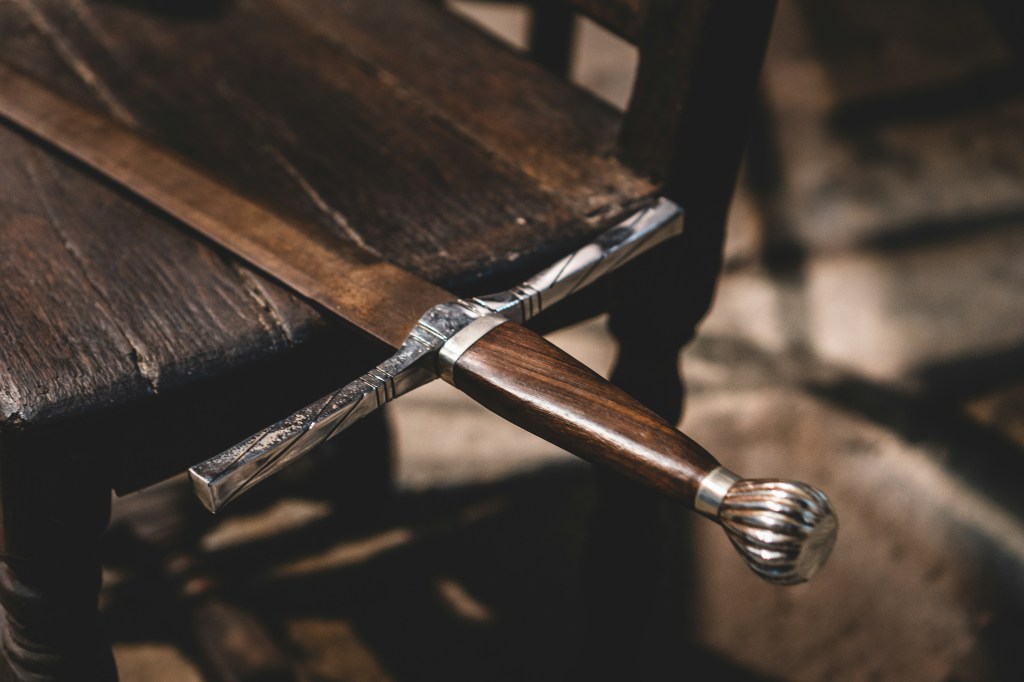
Weaponry remains at the forefront of medieval collectibles, with swords standing out as the quintessential symbol of power and strength. Alongside swords, other notable forms of weaponry include crossbows and bows, which present striking visual representations of the era. Additionally, daggers, though smaller, offer unique display opportunities, while lances and spears evoke the thrill of medieval jousts. Battle axes also make excellent display pieces, adding an element of fierce aesthetics.
Helmets and shields
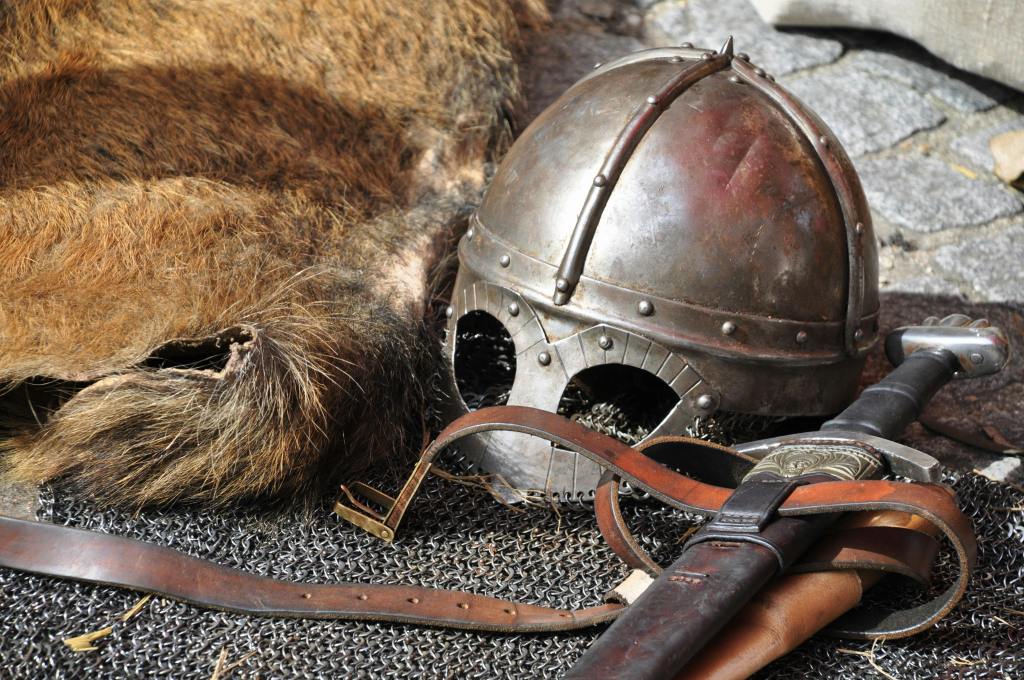
Helmets and shields are crucial components of medieval armor, showcasing a variety of designs that cater to both collectors and historical accuracy. Popular helmet designs include the Nasal Helmet, Crusader Helmet, Bascinet Helmet, and Knight Tournament Helmet. Shields also come in various styles, such as rounded, heater, and pavise shields, each contributing to the visual appeal and authenticity of any medieval display.
Armor
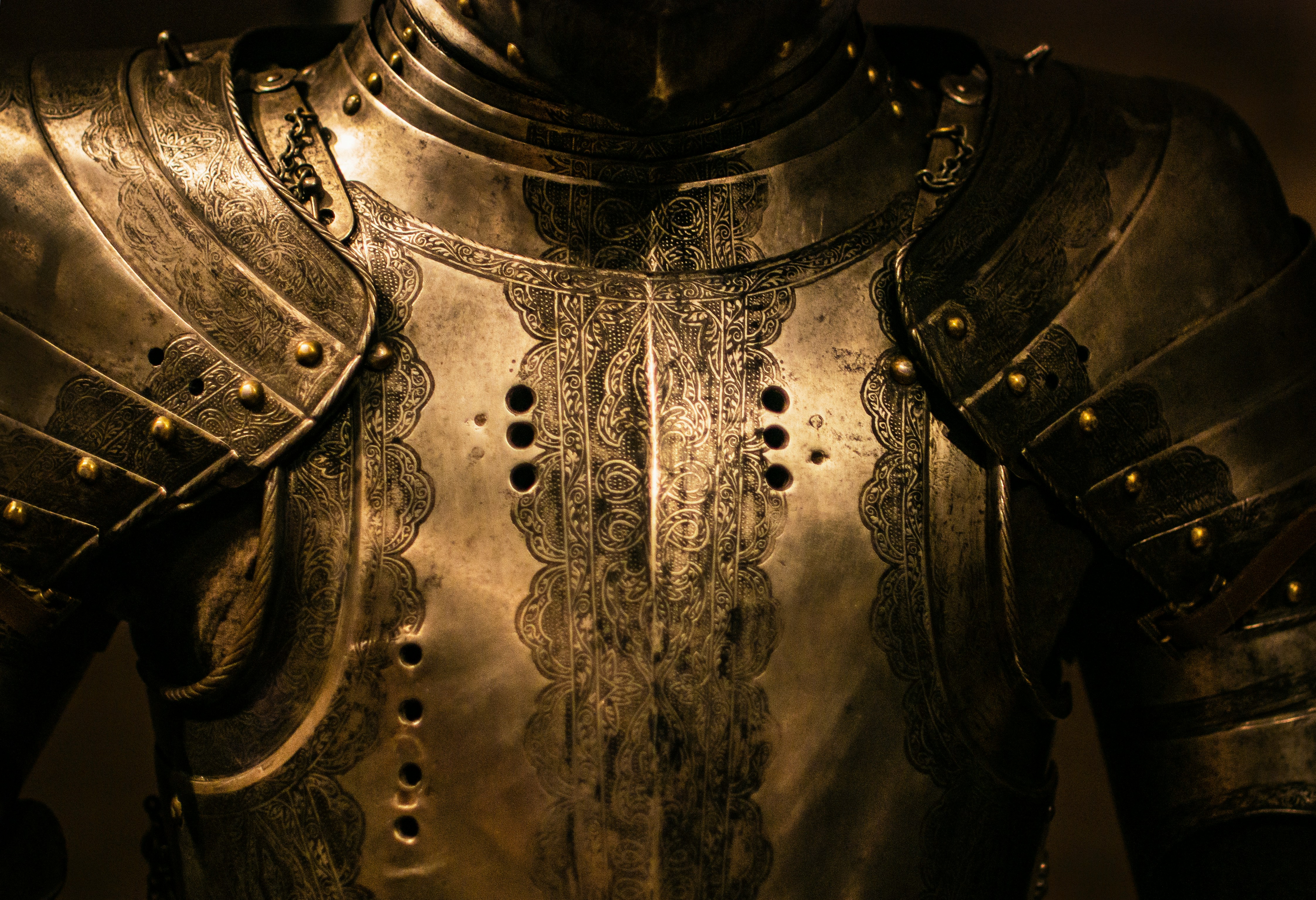
Armor encompasses a diverse range of protective gear that further enhances the authenticity of medieval-themed collections. Items such as chain mail, leather armor, and arming wear offer collectors unique ways to personalize their displays.
Display ready sets
For collectors seeking immediate visual impact, display-ready sets are a must-have. These arrangements often combine elements such as swords, shields, and helmets, allowing enthusiasts to create layered looks that tell a story. By pairing statement pieces with smaller accents, such as plaques or tankards, collectors can craft striking displays that exemplify the richness of medieval times.

Starting an Armor Collection at Home: Materials, Sizing, and Stands
When starting a collection of beginner armor, it is important to understand the various aspects of display and wearable pieces. Beginner armor typically comes in different grades designed for either display purposes or light activity use. Selecting the right armor involves considering the materials, sizing, and how to display your pieces to avoid damage properly.
Armor types
Beginner armor encompasses a range of styles, with a particular focus on knight armor collections, chain mail, and plate armor. It is essential to research the evolution of armor design, as it varies significantly across different eras of the medieval period. Armor pieces generally correspond to specific body types, such as the neck, head, torso, legs, and arms, with variations in design and accessories that reflect their historical context.
Materials
One of the crucial factors to consider when selecting beginner armor is the material it is made from. Mild steel is a cost-effective option that is malleable but can be prone to oxidation. In contrast, stainless steel is ideal for replicas and display due to its low maintenance requirements and corrosion-resistant properties. Spring steel is also a popular choice, known for its lightweight nature and ability to return to its original shape if deformed, providing an optimal balance of durability and functionality.
Sizing and display
When it comes to showcasing your armor collection, using the right stands and display techniques is vital. Proper sizing, padded hangers, or mannequins can help prevent seam stress and ensure that articulated parts sit naturally. Stable stands or mounts are crucial to maintain the integrity of the armor while on display, allowing you to preserve your collection effectively.
Illuminated Manuscripts and Vellum Pages: What to Know Before You Buy
The study of medieval book arts offers a fascinating glimpse into the craftsmanship and creativity of the past.
Books of the Middle Ages
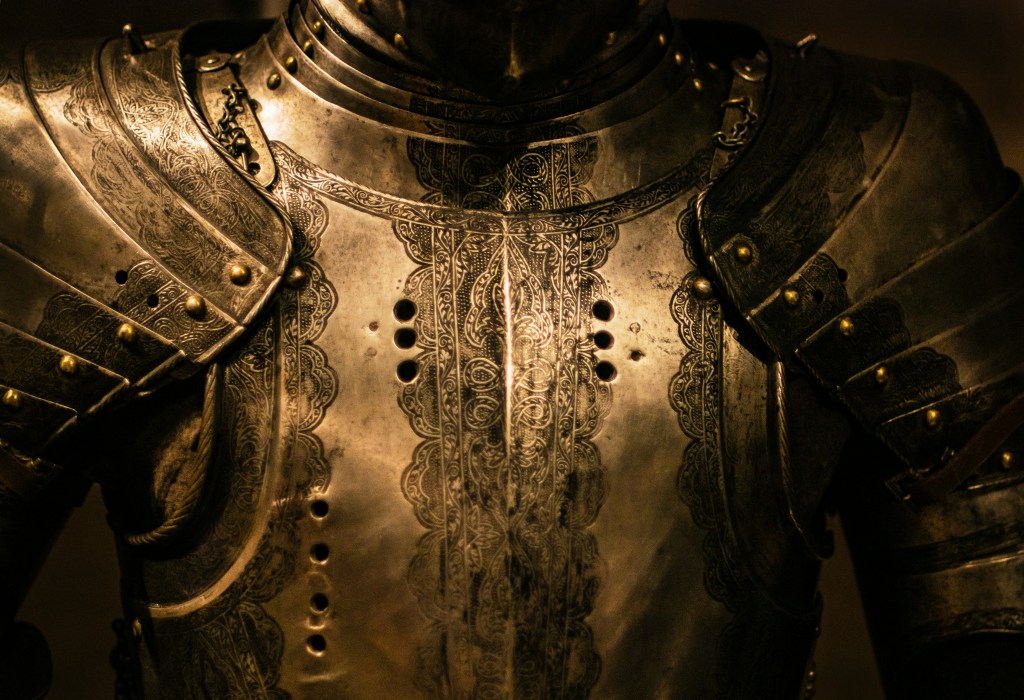
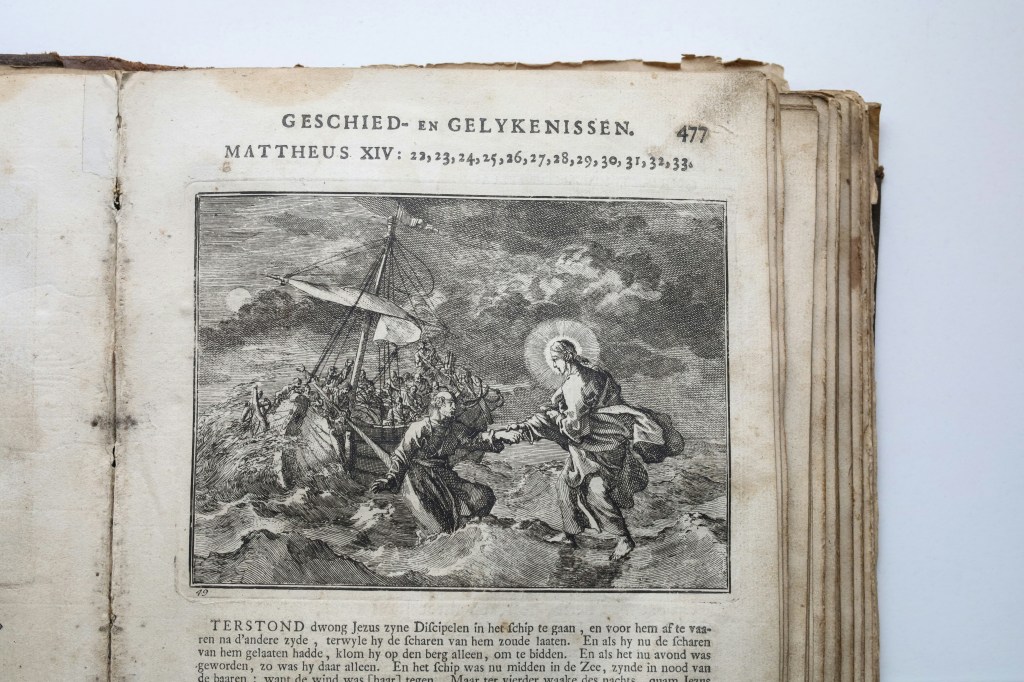
Single leaves and fragments of manuscripts, often crafted on high-quality vellum, showcase the intricate designs, exquisite pigments, and diverse script styles that have survived through centuries. By distinguishing between authentic pieces and facsimiles while considering elements such as script, illumination style, and overall condition, these fragments become valuable focal points for collectors and historians alike.
Materials used
The materials utilized in the creation of illuminated manuscripts play a crucial role in their authenticity and aesthetic value. Parchment, made from stretched animal skin, served as the primary writing surface, with vellum specifically referring to a finer type derived from calfskin. Vellum is highly regarded for its durability and quality, making it a preferred choice for significant literary and religious works. In addition to the writing surface, illuminations—illustrative elements often adorned with silver and gold—enhanced the visual impact of manuscripts, frequently illustrating religious subjects and bringing text to life.
Types of manuscripts
Medieval manuscripts encompass a wide range of categories, each reflecting the societal norms and priorities of the time. Literary works, such as epics and tales, were often transcribed and decorated, thereby preserving the narratives of their cultures. Legal documents served as vital records for the evolving legal systems across Europe, while religious texts, including the Bible and prayer books, were meticulously copied to ensure the propagation of faith and doctrine. Each type of manuscript provides insights into the values and beliefs of the medieval world.
Illumination styles
The artistic style of illumination in medieval manuscripts is diverse and serves to enhance the text. Decorative illustrations can be found as full-page designs, creating a visual centerpiece within the manuscript. Additionally, marginalia—intricate designs located in the margins—often added personal touches, commentary, or whimsical elements that engaged readers. These embellishments not only highlight the importance of the written word but also the creativity and individuality of the scribes and artists who produced these remarkable works.
Clothing, Textiles, and Everyday Life: Garb That Tells a Story
Period-inspired garments and accessories serve as a vibrant link to the daily rhythms of medieval life, encompassing work, feasting, and ceremonial occasions. The careful choice of materials and layering replicates historical silhouettes, adding depth and context to the display of armor or manuscripts.
Clothing and garb
Medieval clothing was both functional and expressive, reflecting the wearer’s social standing and daily activities. Everyday garments included cloaks and robes, tunics, vests, doublets, surcoats, tabards, pants, and hosen for men, while women donned bodices, chemises, dresses, tights, bloomers, and skirts. The variety of clothing styles reflects both the practical needs of everyday life and the social distinctions between different classes.
Accessories
Headwear was essential, protecting from the elements while signaling class distinctions. Women commonly wore veils and wimples, with more elaborate designs reserved for nobility, whereas men sported knitted caps and straw hats. Other articles, such as footwear, belts, aprons, and jewelry, further anchored the wearer’s identity within medieval society.
Textiles and fabrics
The choice of textiles in the medieval period was influenced by availability and social status. Natural and organic fibers, including wool, cotton, silk, linen, and fur, were prevalent. Wool and linen were the most used fabrics, while silk was a luxury reserved for the nobility and wealthy classes. Colors were derived from natural dyes, resulting in shades of green, brown, yellow, and blue; bright and rich colors were rare and typically worn by those of higher social status.
Silhouette and cut
The silhouette and cut of medieval garments varied significantly between classes and purposes. Common clothes for everyday wear were typically loose and practical, allowing for easy movement during activities such as farming and hunting. Ordinary women often wore tunics and smocks, while men favored tunics and breeches. In contrast, nobility garments are characterized by tailored cuts and fitted silhouettes, with higher waists and tight sleeves for women and structured jackets for men, accentuating their figures with tighter trousers and shirts.

Giftable Bestsellers: Budget-Friendly Picks That Display Well
For those exploring the world of medieval collectibles, certain items stand out as excellent starting points.
Giftable medieval items
Goblets, wall plaques, small blades, and themed décor are among the most accessible choices for first-time buyers. These pieces not only bring an immediate touch of medieval character to any space but also cater to a wide range of tastes and preferences.
One of the key attractions of these collectibles is their ability to enhance the aesthetic of various environments. Whether displayed in a cozy living room, an office, or a dedicated themed space, these items add a rich historical ambiance. Additionally, they make thoughtful gifts for those who appreciate history and fantasy, making them perfect for birthdays, holidays, or special occasions.
Authenticity, Replicas, and Confident Buying
In the realm of medieval-themed collectibles, enthusiasts enjoy combining high-quality replicas with historically inspired décor. This enhances their collection and encourages exploration of the artifacts. Collectors often distinguish between reproduction items and authentic pieces, which adds to the hobby’s appeal.
Reproduction vs. historically accurate pieces
To appreciate collectibles fully, it is essential to understand the difference between reproductions and historically accurate pieces. Reproduction items mimic the appearance of historical artifacts but are crafted using modern materials and techniques. In contrast, historically accurate pieces aim to replicate the look, craftsmanship, and materials that would have been used during the original period, offering a more authentic representation of history.
Tips for assessing authenticity
When adding items to your collection, it is crucial to verify their authenticity and relevance. Look for comprehensive product descriptions, details about the maker, and information regarding the materials used in the pieces. This documentation will help you set clear expectations and ensure that each item aligns with the narrative of your collection, making the experience more rewarding.
Care and Display: Metal, Leather, and Paper in the Same Room
When it comes to preserving a variety of materials, understanding their specific needs and the right storage conditions is essential for ensuring their longevity and integrity.
Preserving your collection
- Metal Preservation: Metals need dry and stable air to prevent corrosion. Storing them in low-humidity conditions and monitoring temperatures can significantly extend their lifespan.
- Leather Care: Store leather in breathable conditions, avoiding plastic to prevent moisture buildup. Keeping leather items in well-ventilated areas and out of direct sunlight helps maintain their quality.
- Paper and Vellum: Vellum and paper thrive in low light and should be stored flat. Using archival-quality, acid-free storage protects these items from fading and environmental damage.
General care tips
Implementing simple habits, such as regular dusting, using padded mounts, and avoiding direct sunlight, is crucial for maintaining your equipment. Additionally, store items in climate-controlled spaces to avoid temperature fluctuations.
Sourcing and Budgeting: From Starter Pieces to Showpieces
Starting a collection of medieval collectibles can be an exciting journey, with numerous avenues to explore and items to discover.
When sourcing for your collection, consider both online and in-person options. Online platforms like Etsy, eBay, and Amazon offer a vast array of items. Small businesses, such as specialty shops, artisans, medieval book production, and auction sites, are where unique medieval items can be found. On the other hand, in-person opportunities, such as flea markets, antique shops, and Renaissance Fairs, can provide a tactile experience and the chance to negotiate prices while building relationships with sellers.
Setting a budget
Establishing a budget is crucial for any collector aiming to grow their collection thoughtfully. Distinguishing between “centerpiece” and “accent” pieces can help prioritize spending and maintain focus. By determining which items deserve a larger investment as focal points and which can be more modestly priced, you can create a cohesive display. Tracking your purchases through photos and notes will further ensure that each upgrade is purposeful and aligned with your overall goals for the collection.
Cataloging and documentation
Maintaining a well-organized catalog is essential for any collector. Documenting your findings not only helps you keep track of your inventory but also enhances the storytelling aspect of your collection. Include details such as the item’s origin, purchase price, and any historical significance it may carry. Regular documentation can serve as a valuable resource for future references and for sharing with fellow enthusiasts.
Sources
https://www.medievalcollectibles.com/blog/holiday-gift-guide/gift-guide-for-the-medievalist/
https://www.medieval-collectibles.com/bestsellers.aspx
https://medieworld.com/blog/starting-your-medieval-collectibles-journey/
https://www.savingadvice.com/articles/2023/12/04/10121126_medieval-collectibles.html
https://lovebelfast.co.uk/how-to-start-your-own-medieval-armour-collection-at-home/
https://www.antiquities.co.uk/blog/decorative-techniques/item-focus-illuminated-manuscripts-vellum-pages/
https://www.epochs-of-fashion.com/the-epochs/middle-ages/
https://www.medievalists.net/2025/03/everyday-life-middle-ages/
https://www.thoughtco.com/medieval-clothing-and-fabrics-1788613
https://knightstemplar.co/unraveling-medieval-fashion-trends-a-journey-through-time/
https://www.medievalists.net/2025/10/10-medieval-weapons/
https://www.medievalchronicles.com/medieval-armour/medieval-helmets/helmets-a-to-z-list/
https://medievalbritain.com/type/medieval-life/weapons/medieval-shield/
https://library.uab.edu/locations/reynolds/collections/medieval-renaissance-manuscripts/materials-and-illuminations
About Collectibles Insurance Services
Collectibles Insurance Services has been protecting collections since 1966 and all coverage is provided by a carrier with a group rating of “A” (Excellent) by AM Best, the leading rating agency for the insurance industry.
Comprehensive coverage includes, but is not limited to: accidental breakage, burglary, fire, flood, loss in the mail, theft, natural disasters, and other causes of loss unless specifically excluded from the policy. Deductibles start at $0 for collector policies and we provide coverage for the market value of your collection for losses in excess of $50.
Additionally the protection extends At home and away, and we don't require collection itemization and serial number nor extensive paperwork and red tape.
